cpeditor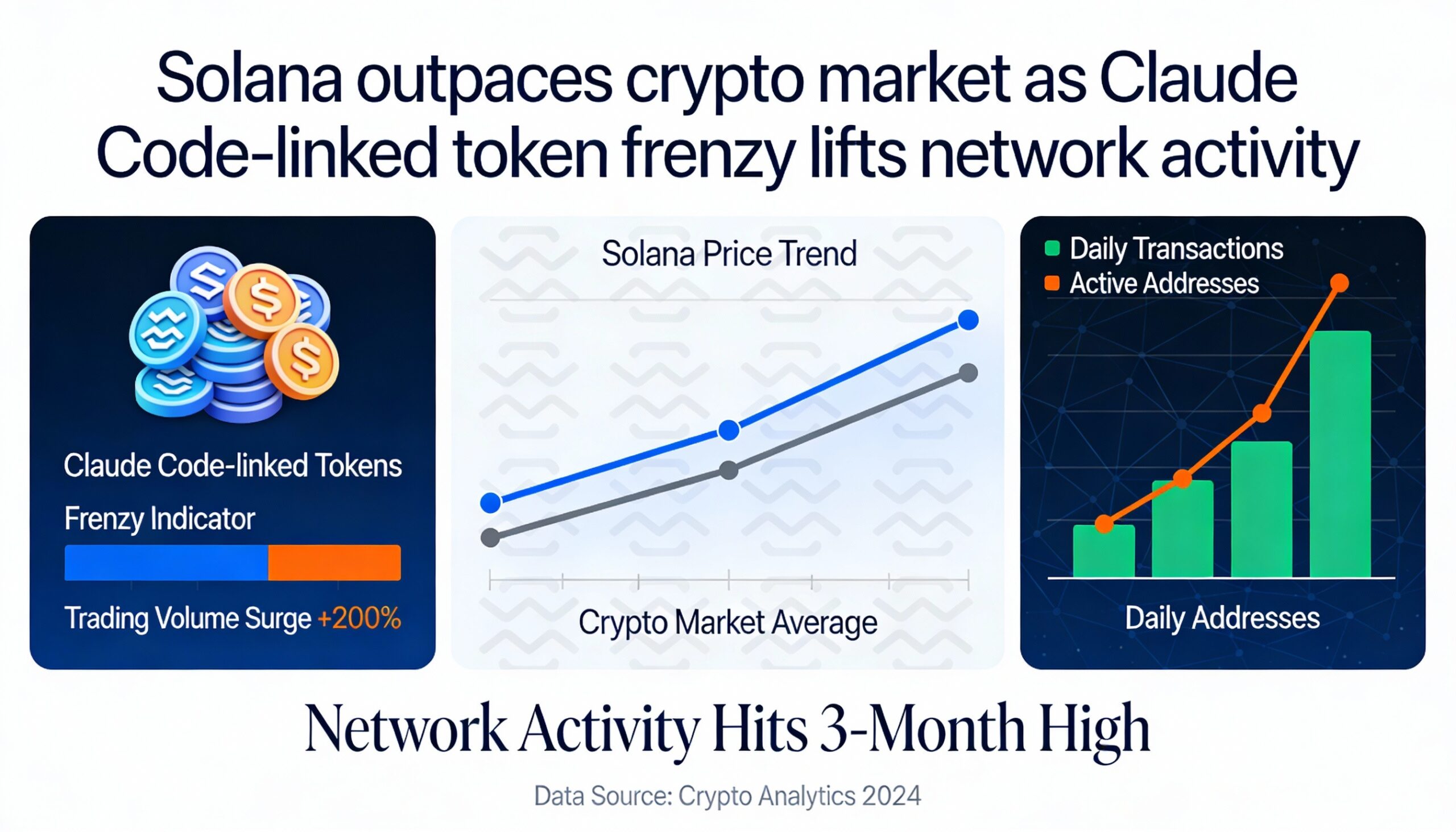
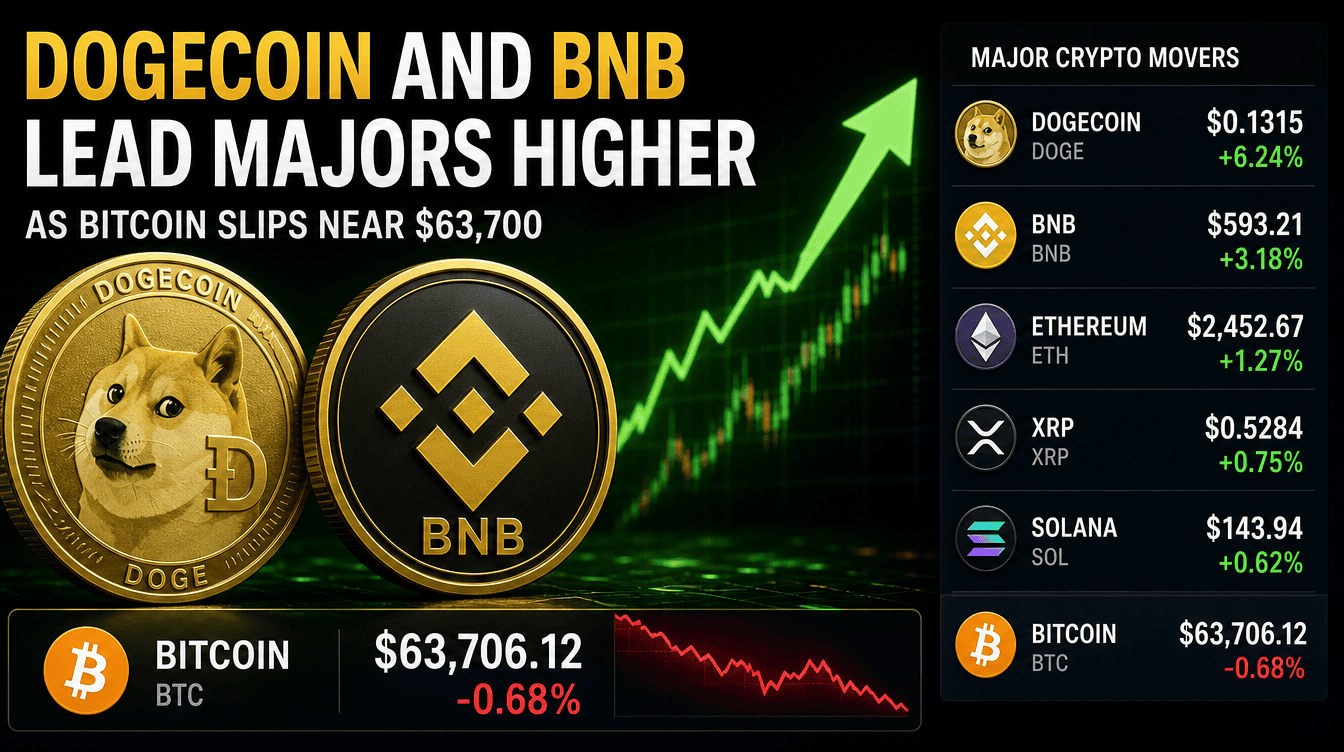
Solana outpaced the broader crypto market over the past 24 hours, rising about 1.9% to trade near $129, while the CoinDesk 20 Index (CD20) advanced just 0.15%.
SOL climbed from roughly $126.4 to an intraday high near $130 before giving back some gains. The move followed a breakout from a narrow consolidation range, supported by elevated trading volume of around 2.34 million SOL, according to CoinDesk Research technical data.
The rally extended a short-term recovery that began after the token successfully defended key support around $127.
At the same time, activity on the Solana network has accelerated, fueled by speculation linked to Claude Code, an AI development toolkit built by Anthropic. Developers have increasingly launched tokens tied to viral AI repositories through Bags, a Solana-based launchpad.
This trend has translated into a sharp increase in network usage. Active addresses surged from 4.7 million in early January to 18.9 million last week, while weekly transaction counts climbed from 390 million to 530 million, according to DefiLlama data.
Although many of these tokens remain speculative, some have been adopted by the original AI project teams, enabling trading fees to be redirected to developers. This dynamic has reinforced a feedback loop of new launches and heightened on-chain activity.
Despite stronger usage metrics, Solana’s total value locked has declined to around $8.4 billion. From a technical standpoint, $130 remains a key level to watch. A sustained move above could open the path toward recent highs, while a pullback may leave SOL exposed to support in the $126–$124 range.