cpeditor
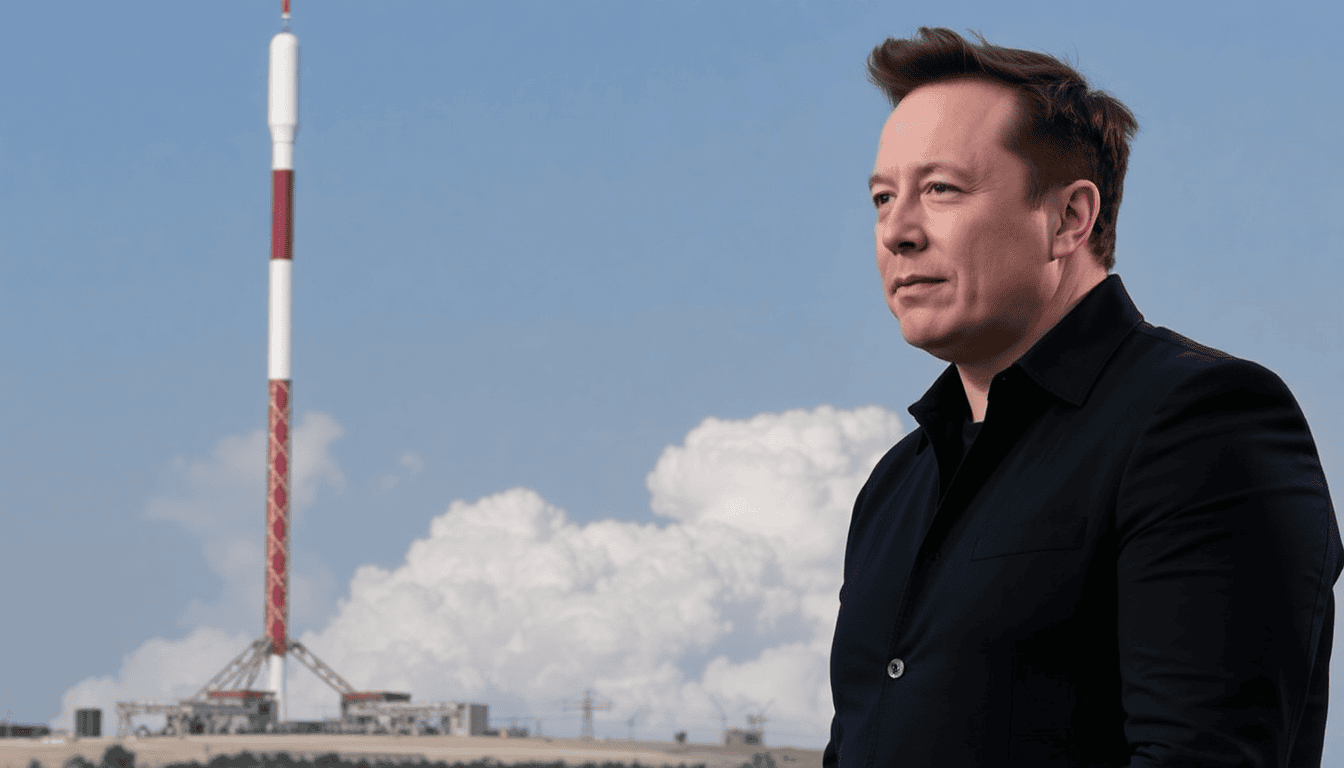
SpaceX has obtained $40 billion in debt financing to acquire AI chips, while Elon Musk predicts that a sweeping industry shakeout could leave only a few of the hundreds of smaller AI cloud providers still operating.
The Nasdaq-listed company, trading as SPCX at $146.59 in the supplied market data, secured the funds to purchase graphics processing units (GPUs), the powerful processors used to train and operate artificial intelligence systems.
Musk disclosed the financing on X while warning about growing challenges for neocloud providers, businesses that rely heavily on data centers to rent computing power to AI developers and other customers. His comments come as investors increasingly scrutinize the costs and profitability of AI infrastructure, raising the possibility of further pressure on stocks and cryptocurrency markets.
The financing is primarily callable debt, meaning SpaceX can repay it ahead of schedule. The capital could be used to cover GPU deliveries expected in the first half of 2027, although Musk did not confirm that specific purpose. Reuters had previously reported that SpaceX was negotiating with banks and asset managers to raise $40 billion to purchase Nvidia chips.
SpaceX’s Diversified Revenue Supports Its Borrowing
Musk said SpaceX’s strong credit rating and steady revenue from Starlink internet services and rocket launches helped it secure the financing.
Those businesses generate income independently of AI data centers, providing SpaceX with a more diversified revenue base than companies whose operations depend almost entirely on AI computing demand.
According to Musk, debt markets have become increasingly inaccessible to companies that lack substantial revenue outside AI infrastructure. He said lenders had largely stopped extending financing to businesses without meaningful income streams beyond data centers.
Musk expects more than 200 neocloud providers to consolidate, potentially leaving only a small number of survivors in the market.
Smaller AI Cloud Providers Face Funding Challenges
The financing underscores the enormous cost of competing in the AI computing race. Developing large GPU clusters can require tens of billions of dollars, making access to capital a major competitive advantage.
Companies with established businesses, reliable cash flow and strong credit profiles are better positioned to finance their expansion. Smaller providers that rely heavily on AI data center revenue face greater risks as lenders tighten their requirements.
Venture capitalist Chamath Palihapitiya previously questioned the financial strength and management of many neocloud companies. He argued that Amazon, Microsoft and Google were taking a cautious approach to commercial agreements while prioritizing computing capacity for their own operations.
Palihapitiya also warned that delays in data center construction could leave expensive chips and unfinished facilities underutilized. If these projects fail to produce enough income, operators may struggle to cover financing expenses in 2027.
Doubts Over AI Returns Pressure Financial Markets
Investor concerns are growing over whether the enormous sums being spent on artificial intelligence will deliver adequate returns. These doubts have weighed on AI-related stocks and contributed to broader market uncertainty.
Nasdaq futures were trading near 29,080 at the time of writing, significantly below the 30,000 level they had exceeded earlier in the month.
SpaceX’s ability to raise $40 billion highlights the growing divide between AI infrastructure companies with diversified revenue and smaller providers that depend heavily on continued demand for computing power. As financing becomes harder to secure, more neocloud businesses could be forced to merge, reduce spending or abandon expansion plans.