cpeditor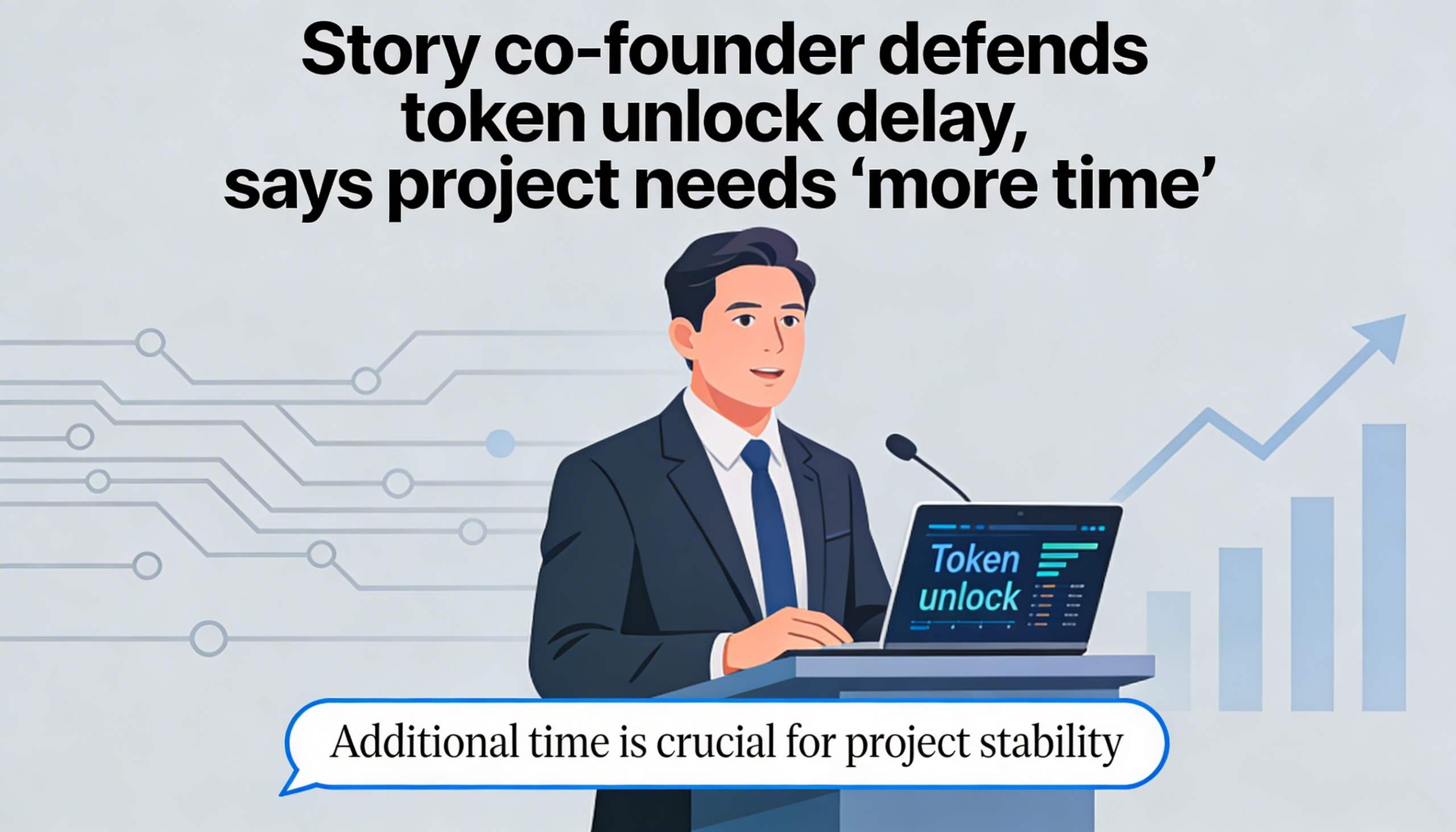
Story Protocol co-founder S.Y. Lee said the project’s decision to delay its first major IP token unlock until August reflects a need for more development time, pushing back against investor concerns that focus on onchain revenue as a measure of progress.
The six-month extension keeps team and investor tokens locked as Story sharpens its focus, pivoting from a broad intellectual-property registry toward licensing human-generated datasets for artificial-intelligence training. Story Protocol is a blockchain built to manage IP ownership, provenance and usage rights.
In an interview with CoinDesk, Lee cited Worldcoin’s 2024 move to extend investor and team vesting schedules from three to five years as a precedent. That decision reduced near-term circulating supply and was presented as a way to lengthen development runway, with Worldcoin’s token rising by double digits shortly after the announcement. Story is following the same approach, Lee said.
“If we were all mercenary, we would have wanted a shorter lockup,” Lee said, framing the delay as a sign of long-term commitment rather than financial strain.
Skepticism has also centered on Story’s revenue profile. Data from DeFiLlama shows the network’s daily revenue peaked at about $43,000 in September 2025 and has since fallen to zero. Lee argued those figures understate activity because much of Story’s planned monetization occurs offchain through licensing agreements rather than transaction fees.
According to Lee, gas revenue is a lagging indicator for a blockchain designed to record IP rights before extracting value from them. “We intentionally put our chain gas fee pretty low. We’re more of an IP chain,” he said. “You may not see the type of revenue stream that you’re looking for like a DeFi chain.”
Instead, Story is prioritizing infrastructure that embeds ownership terms, usage rights and royalty splits for datasets and AI models into smart contracts. The shift moves the project away from tokenized media and collectibles toward what Lee described as “unscrapable” human-contributed data, such as multilingual voice samples and first-person video.
That transition delays visible onchain income, as much of the anticipated value is tied to enterprise licensing agreements rather than retail transaction activity. Lee compared the timeline to his experience building a Web2 startup that culminated in a $440 million exit in 2021, noting that meaningful revenue took years to materialize.
For token holders, the immediate effect is a slower expansion of circulating supply while the team works to show traction in AI data partnerships and rights-cleared dataset collection. Whether the strategy ultimately produces a sustainable business remains uncertain, but Lee said extending vesting schedules is healthier than rushing liquidity into weak market conditions.
“The best founders, the best teams, the best companies usually do it for a decade plus,” Lee said. “We’re in it for the long term and longer innings.”