cpeditor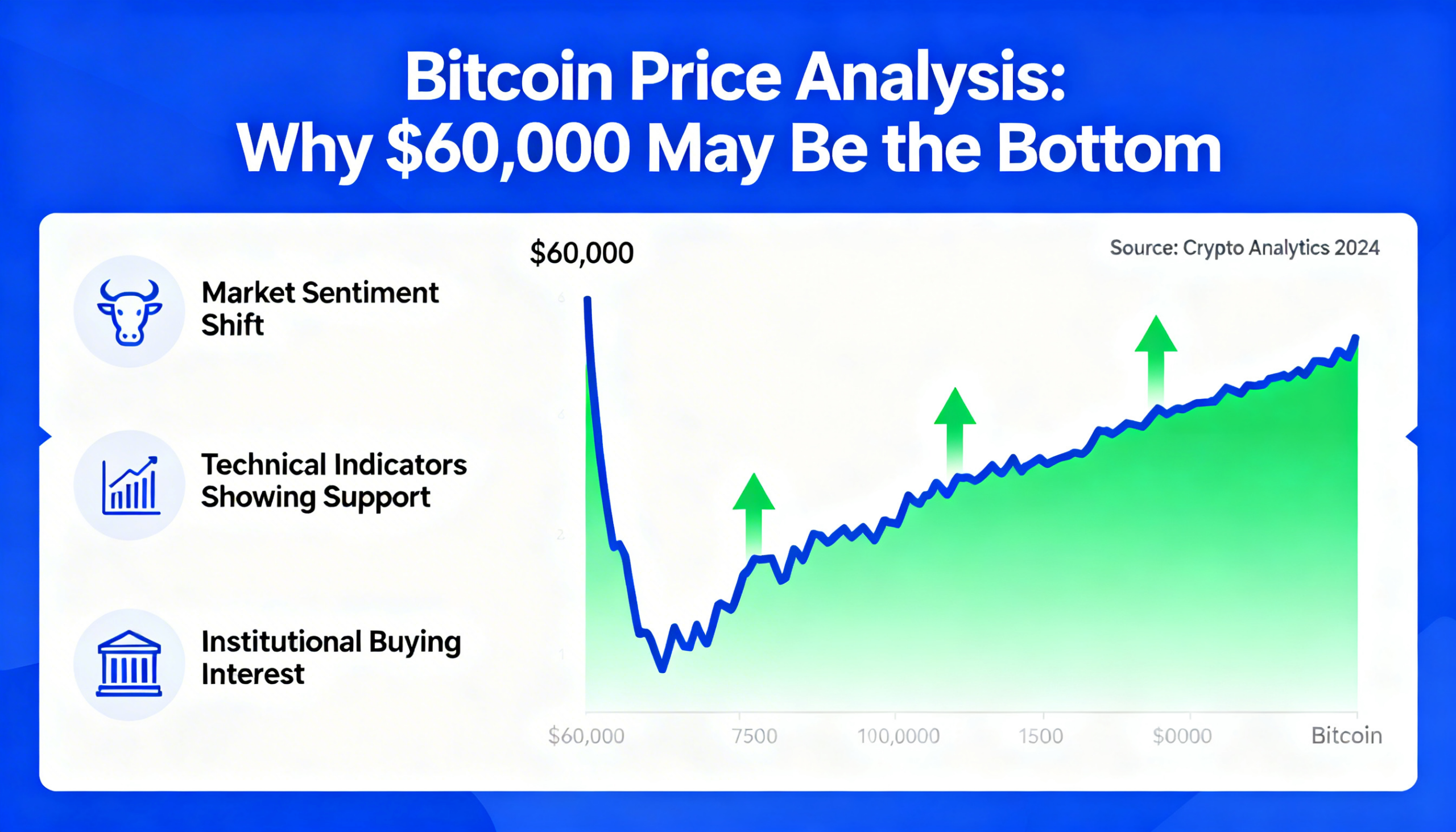
Signals from the options market indicate bitcoin may have already weathered the worst of its recent downturn, with the move toward $60,000 potentially marking a local bottom.
At the center of this view is 30-day implied volatility, a forward-looking measure of expected price swings. Key benchmarks like Deribit’s DVOL and Volmex’s BVIV jumped to around 90% in early February as bitcoin slid toward $60,000. Historically, spikes of this scale have coincided with peak fear and capitulation, often aligning with market lows.
Bitcoin’s growing integration with traditional finance—accelerated by the launch of U.S. spot ETFs in 2024—has made such indicators more relevant. Implied volatility now serves as a crypto analogue to the VIX, Wall Street’s well-known “fear gauge” for the S&P 500. In both cases, volatility tends to surge during periods of extreme stress and fall as markets stabilize.
That dynamic played out during the latest sell-off. As prices dropped, traders rushed to hedge downside risk, driving heavy demand for put options and pushing volatility indices above 90%. Similar spikes have historically marked turning points, including the August 2024 decline to around $50,000 and the November 2022 crash tied to the FTX collapse, when bitcoin fell below $20,000.
If past patterns hold, the downtrend that began after bitcoin’s October highs above $126,000 may have already bottomed. While no single signal is definitive, implied volatility’s established role as a contrarian indicator strengthens the case.
In traditional markets, elevated VIX levels—especially when far above long-term averages—are often interpreted as signs of extreme fear and potential buying opportunities. Many quantitative strategies use such spikes to increase exposure, anticipating a rebound as panic fades.
The VIX itself rose to about 35% on March 9, following the earlier surge in crypto volatility. Although it has stayed elevated through 2026, it remains below the extreme levels above 60% seen during major stress events like April 2025’s “Liberation Day.”
Overall, the data suggests that peak fear may already be behind the market, with bitcoin likely through the most intense phase of its recent correction.