cpeditor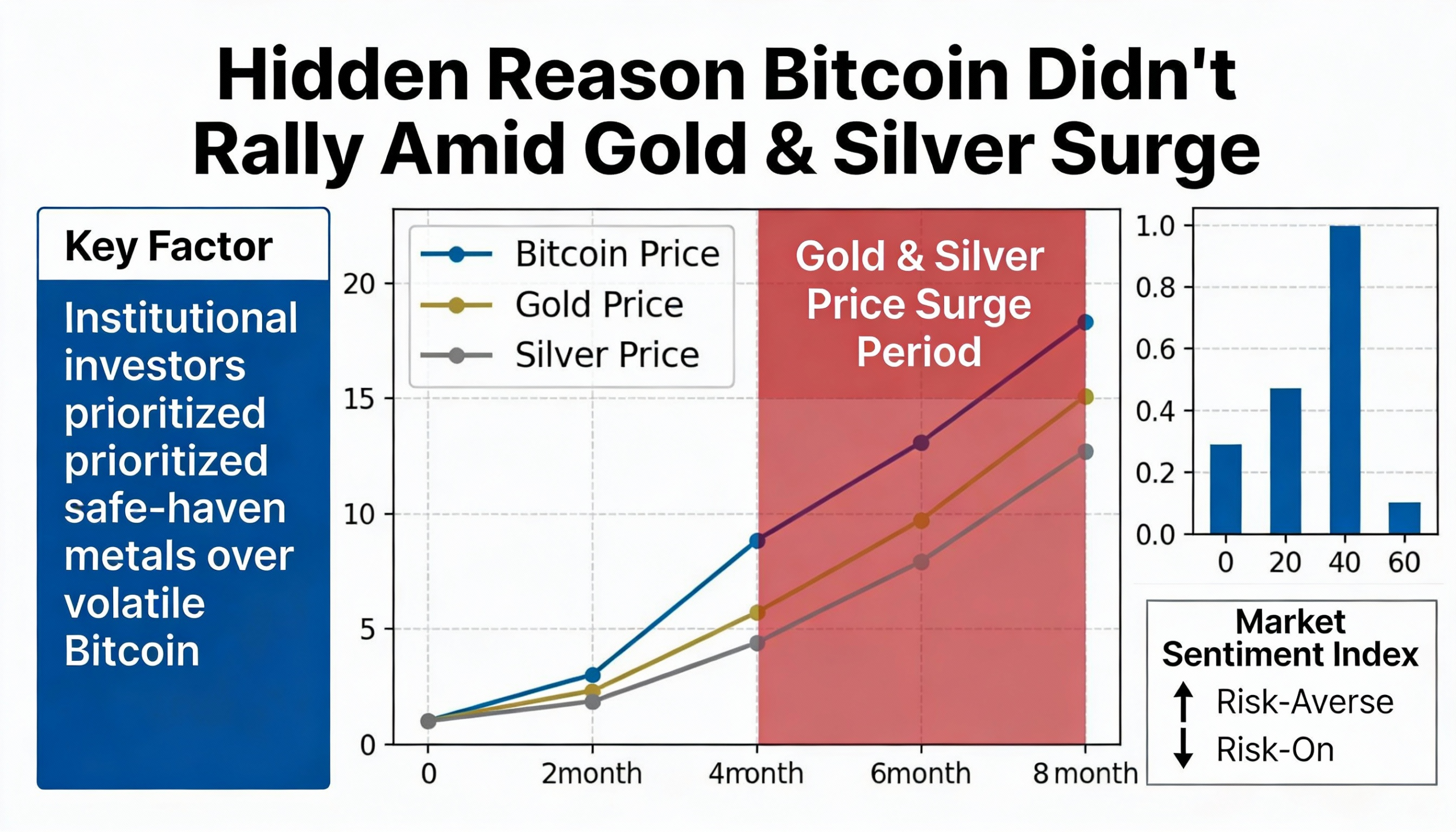
Traders are homing in on a thick band of bids near $87,500 and persistent sell pressure just below $90,000, a dynamic that has turned bitcoin’s price action into a month-end stalemate.
Earlier last month, bitcoin looked unusually heavy even as equities and precious metals powered to new highs. The cryptocurrency repeatedly failed to reclaim the $90,000 level — a hesitation that, in hindsight, foreshadowed the sharp drop toward $75,000.
At the time, the market cited a familiar mix of explanations, including a rotation into safer assets, softening crypto demand, uneven spot ETF flows and routine positioning ahead of month-end. But some analysts argue the more telling signals were already visible in exchange order books.
According to Keith Alan, co-founder of trading analytics firm Material Indicators, sell-side liquidity consistently sat just below $90,000, absorbing buy pressure and preventing follow-through even when broader conditions appeared supportive.
Alan described the pattern as “liquidity herding,” a strategy in which large participants influence market behavior by guiding price toward levels that suit their positioning. By placing sizable, visible sell orders, buying appears increasingly risky, encouraging hesitation and allowing prices to drift sideways or lower while larger players accumulate more discreetly.
Rather than relying on headlines or fundamentals, this approach leverages market structure itself. It frequently appears around options expiry, when keeping prices within a narrow range can improve payouts or limit losses for dominant traders.
At the same time, order-book data showed a dense cluster of bids forming between roughly $85,000 and $87,500. That zone repeatedly absorbed selling pressure and acted as a short-term floor during bitcoin’s extended consolidation.
“If that support held, it could have set the base for another leg higher,” Alan said at the time. “But once it breaks, the unwind can happen quickly.”
That warning proved accurate. When bitcoin slipped through the lower edge of the bid cluster, selling accelerated as thin liquidity amplified each move. The breakdown marked a clear failure of the range that had confined prices for weeks.
Over the weekend, bitcoin traded down into the $74,000–$76,000 area, underscoring the fragile balance between dip buyers and forced sellers in a market still lacking depth.
Alan had also cautioned that a monthly close below roughly $87,500 — the opening level for 2026 — would represent a decisive technical breakdown. He referred to such a scenario as “Bearadise,” a phase in which eroding confidence allows downside momentum to reinforce itself.
The influence of large players on short-term price action through visible liquidity placement is a long-standing feature of crypto markets. Whales and high-frequency traders have long used order-book depth to shape expectations, often leaving smaller participants caught on the wrong side of the move.
In retrospect, the same order-book forces that kept bitcoin capped below $90,000 also made the market particularly vulnerable once support finally gave way.