cpeditor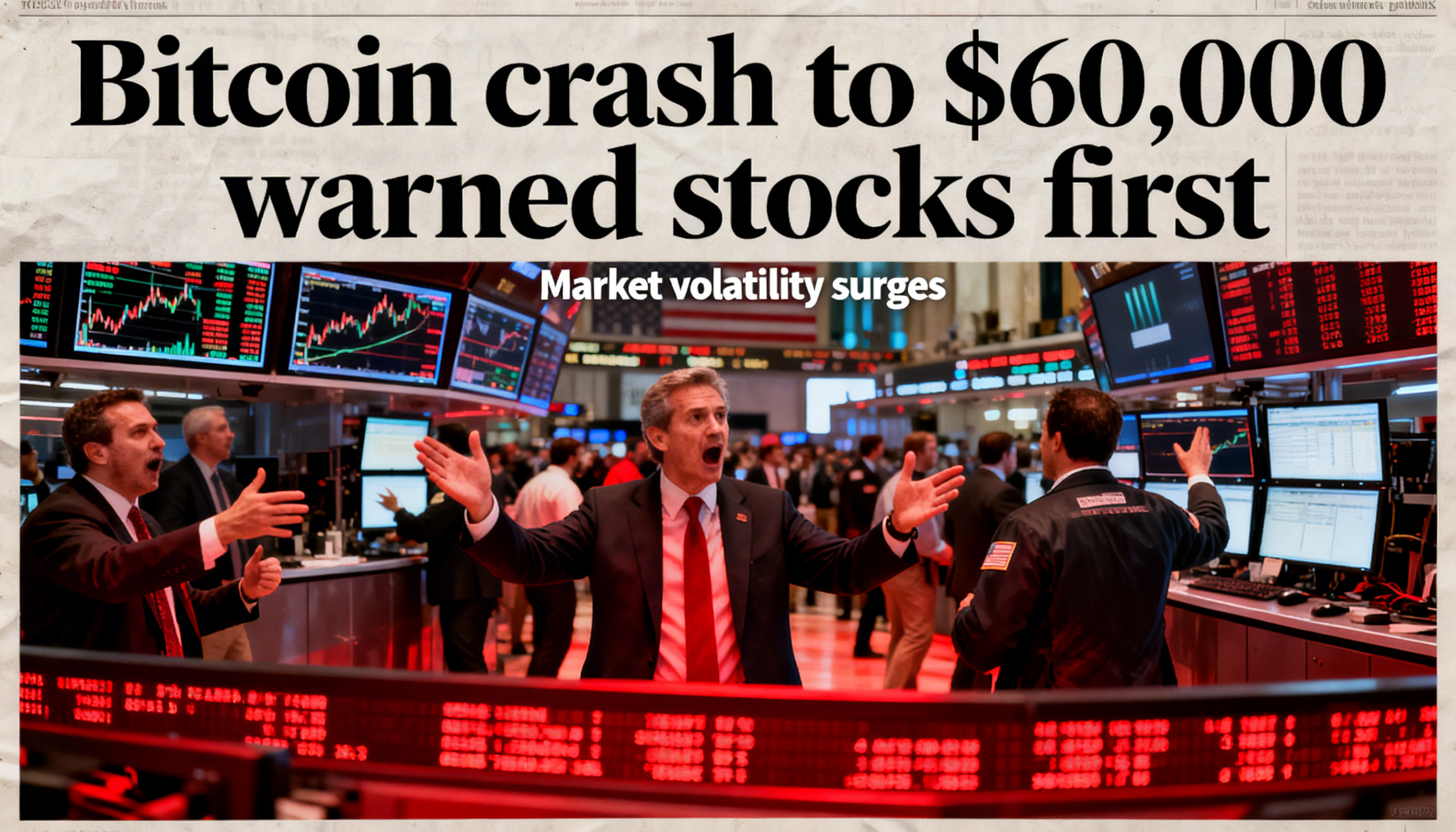
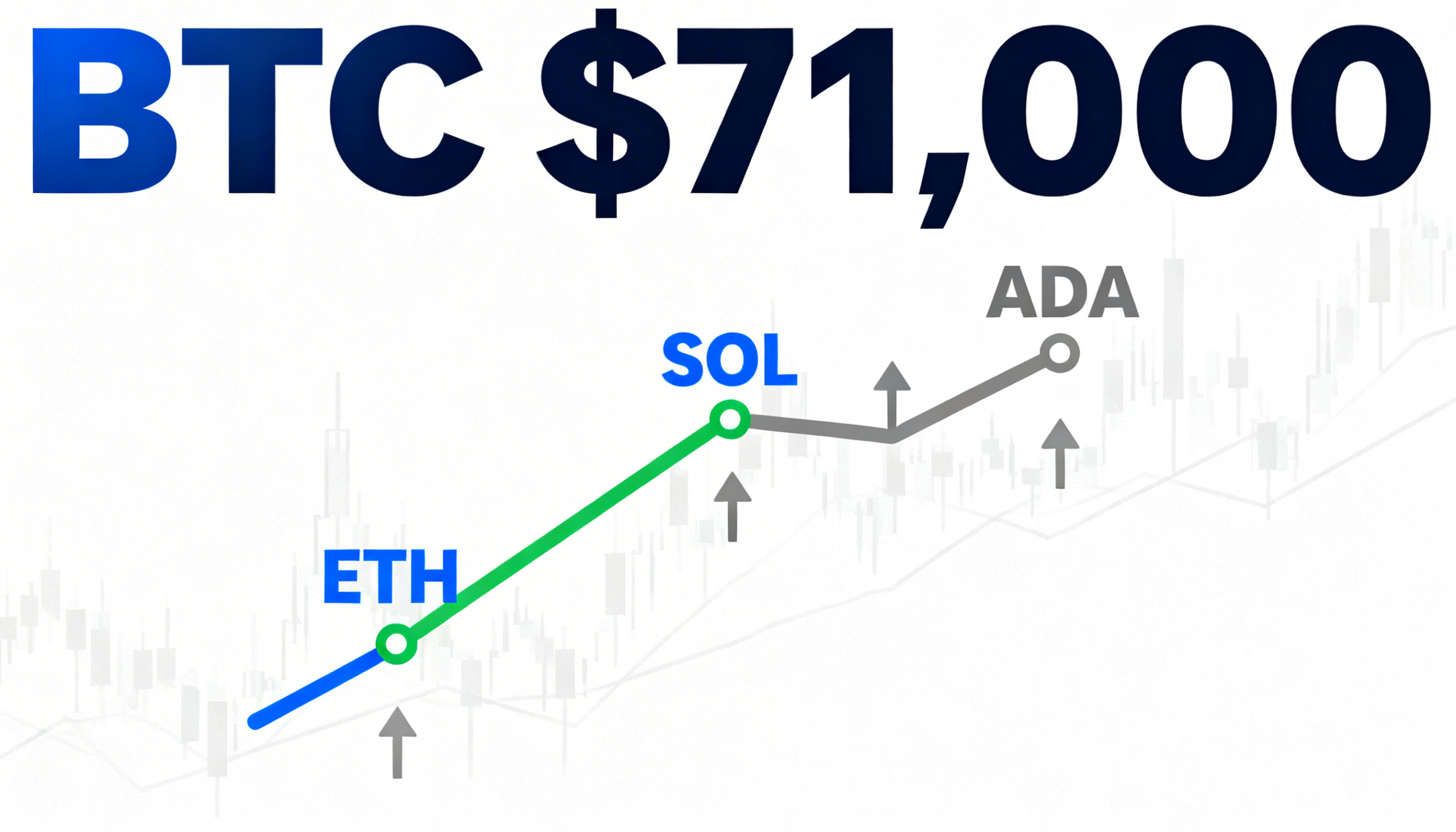
Bitcoin’s Fall to $60K May Have Signaled the Current Weakness in Global Stocks
Bitcoin may once again have served as an early indicator for broader financial markets, dropping sharply weeks before equities around the world began to struggle.
Although many investors view bitcoin (BTC $71,340) as a safe-haven asset similar to gold, some traders consider it a gauge of overall market risk sentiment. Recent price action appears to support that perspective. Before stabilizing near $70,000, bitcoin experienced a steep correction that preceded the recent decline in global stock markets.
The cryptocurrency surged above $126,000 in early October before entering a prolonged downturn that eventually pushed prices toward $60,000 early last month. The decline was accompanied by sizable outflows from U.S.-listed spot bitcoin ETFs. At the time, analysts highlighted these withdrawals because they occurred without any clear crypto-specific catalyst, raising concerns that broader macroeconomic pressures might be emerging.
Since then, global market sentiment has deteriorated. Escalating tensions involving Iran and a surge in oil prices have weighed on equities across Asia and Europe. In the United States, both the S&P 500 and the Nasdaq have also come under pressure, while the U.S. dollar index has strengthened. Despite these developments, bitcoin has remained relatively stable around the $70,000 level.
Interestingly, several equity indices and stock ETFs now appear to be tracing patterns similar to bitcoin’s earlier trading behavior before its drop. For months, bitcoin moved within a broad and volatile range above $100,000 before eventually breaking lower.
Comparable patterns have emerged in markets such as the SPDR Financial Select Sector ETF (XLF), India’s Nifty index, and S&P 500 futures, all of which have recently traded within wide ranges before beginning to weaken.
This would not be the first time bitcoin has led movements in traditional markets. During the 2021–2022 cycle, bitcoin peaked near $60,000 in November 2021 before quickly falling below $50,000. U.S. equity markets reached their highs roughly two months later in January 2022 and then followed with extended declines as the Federal Reserve raised interest rates.
According to Todd Stankiewicz, president and chief investment officer of SYKON Capital, bitcoin has preceded peaks in the S&P 500 on several occasions, including in late 2017, shortly before the COVID-19 market crash, and again in late 2021.
“Bitcoin either rolled over or failed to make new highs while the S&P 500 kept pushing higher,” Stankiewicz noted. “In each case, the equity rally eventually stalled and reversed.”
Taken together, these patterns suggest bitcoin’s price movements may continue to offer early clues about shifts in broader market sentiment, making it an asset many stock traders are increasingly watching closely.