cpeditor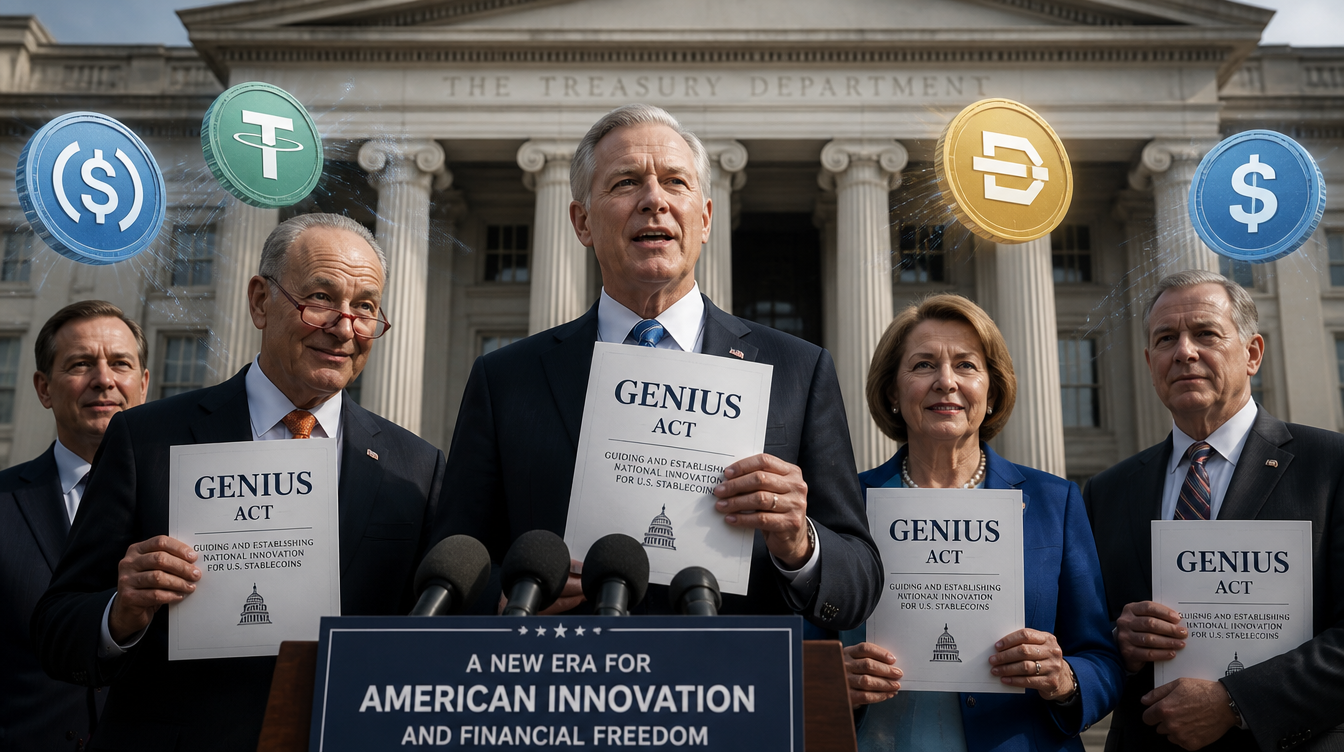
A group of bipartisan senators is calling on the Treasury Department to clarify how states can qualify to oversee stablecoin issuers under the GENIUS Act, warning that the current process could leave state regulators on the sidelines.
Led by Senator Cynthia Lummis, the lawmakers said states need a formal mechanism to demonstrate that their regulatory frameworks meet standards equivalent to those set by federal authorities. Their concerns come as federal agencies begin implementing the GENIUS Act, the landmark legislation establishing a regulatory framework for U.S. stablecoins.
In a letter to Treasury Secretary Scott Bessent, the senators argued that Treasury’s proposed principles for evaluating state regulatory regimes fail to address key procedural questions, including certification requirements and review timelines. Without those details, states remain uncertain about how to obtain approval to supervise stablecoin issuers.
The lawmakers said they have heard concerns from industry participants that the absence of clear guidance could result in a certification process that effectively blocks future state participation. Such an outcome, they argued, would undermine the role Congress envisioned for states in the law’s implementation.
The letter, signed by both Republican and Democratic senators, including Angela Alsobrooks, Catherine Cortez Masto and Kirsten Gillibrand, urges Treasury to issue written guidance outlining how states can apply for certification, how applications will be evaluated and the timeline for decisions.
The senators also called for a flexible framework that accounts for differences in state legislative and regulatory processes while ensuring states have a meaningful opportunity to participate in overseeing the stablecoin industry.