cpeditor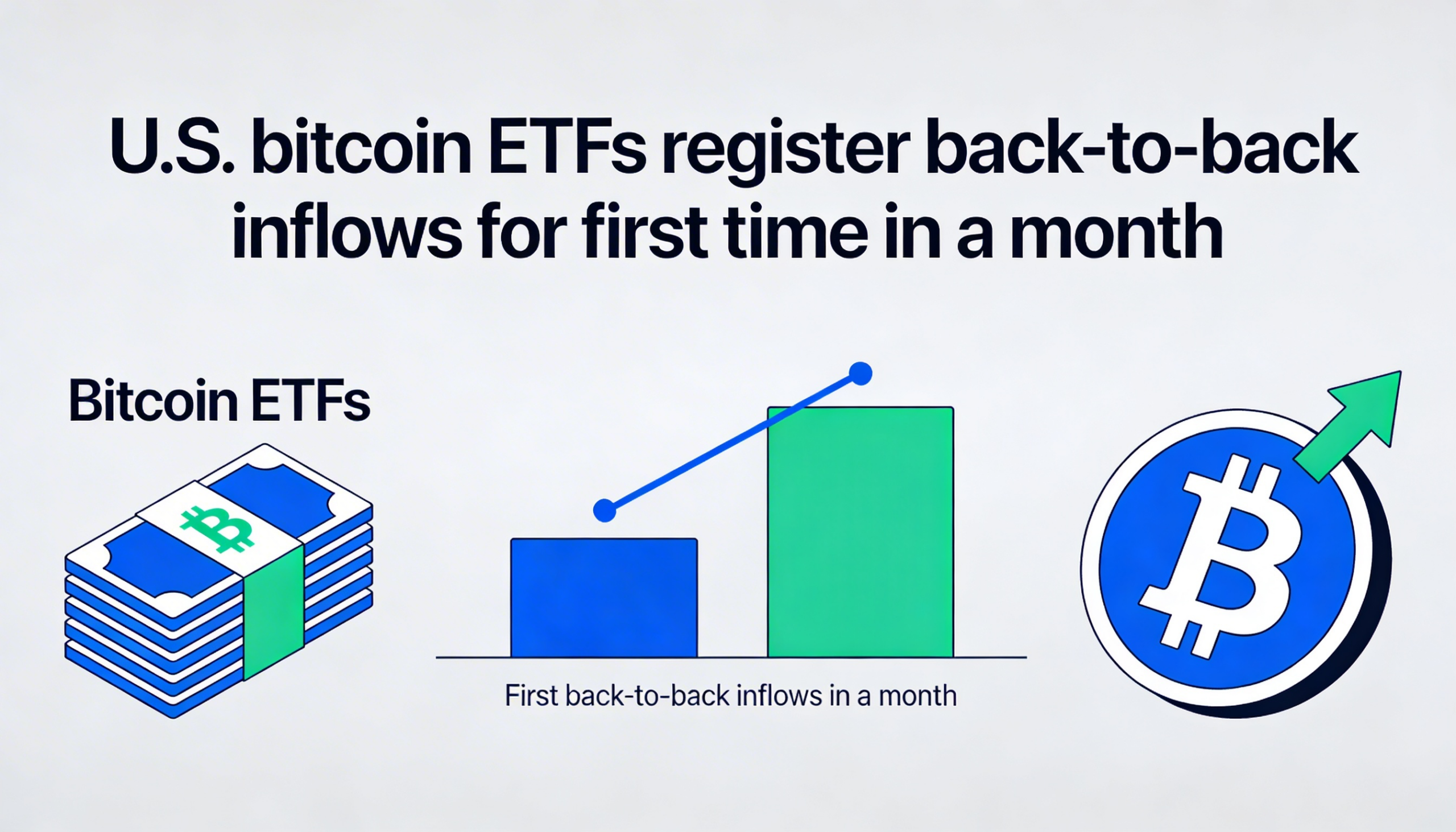
U.S.-listed spot bitcoin ETFs have ended a weeks-long stretch of redemptions, logging consecutive inflows even as bitcoin trades well below its recent peak.
Data from SoSoValue shows the shift began Friday, when the funds drew $471.1 million in net new money. Another $144.9 million followed on Monday, marking the first back-to-back inflow sessions since mid-January.
The renewed demand came as bitcoin rebounded from last week’s slide to around $60,000. Prices have since recovered toward the $70,000 level, offering a measure of stability after a sharp correction.
In mid-January, bitcoin topped out near $98,000 following a two-week climb from roughly $87,000. The subsequent drop to $60,000 prompted sustained ETF outflows, with investors trimming exposure as the market weakened.
Despite that volatility, overall ETF holdings have declined only modestly compared with the magnitude of bitcoin’s price retreat.
According to Checkonchain, the 11 U.S. spot bitcoin ETFs collectively held about 1.37 million BTC in early October. That figure has since slipped to roughly 1.29 million BTC — a decrease of around 7%. Over the same period, bitcoin has fallen more than 40% from its all-time high above $126,000.
The divergence highlights a key dynamic: while short-term flows fluctuate alongside price swings, aggregate ETF exposure has remained relatively stable, suggesting many investors continue to maintain a longer-term allocation to bitcoin despite recent turbulence.