cpeditor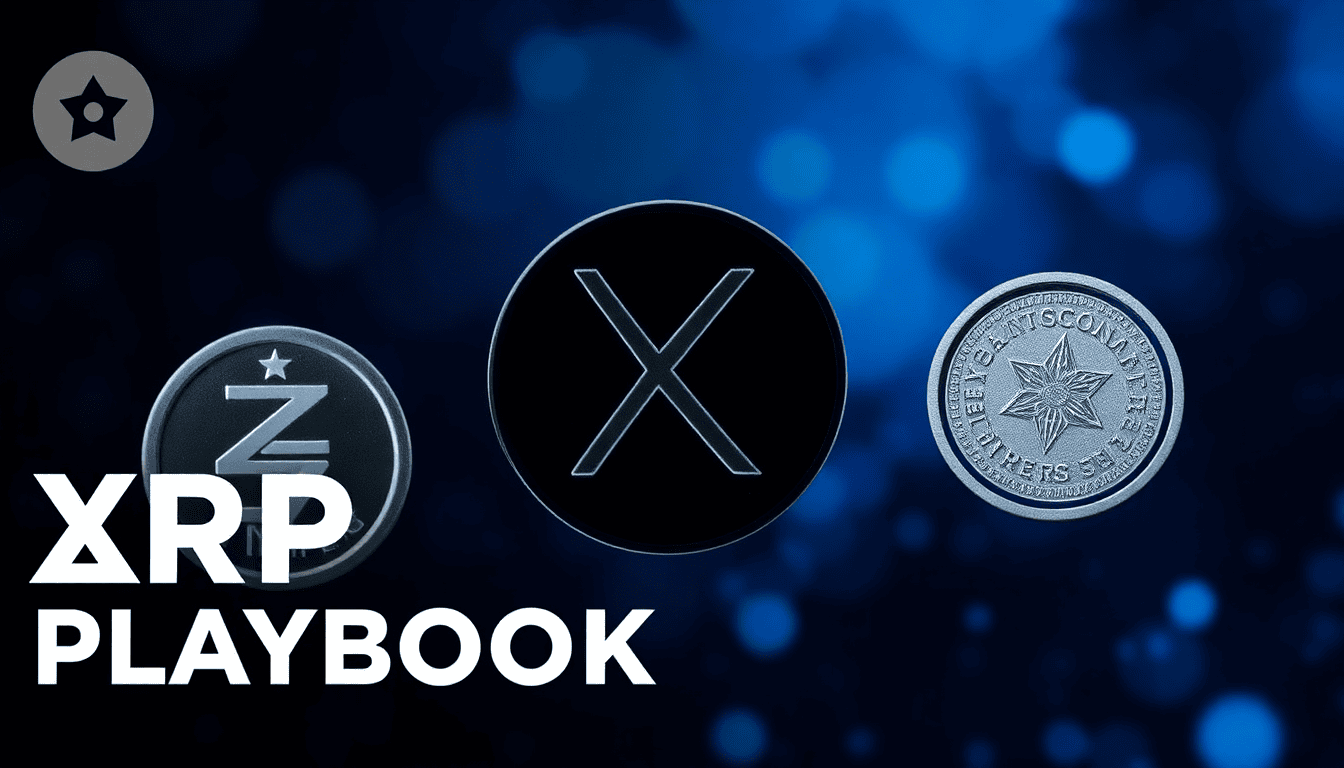
In XRP news, the token remains below its January 2018 record of $3.84, nearly nine years after that peak. Despite the lengthy gap, XRP delivered an almost eightfold rally, moving from about $0.49 in November 2024 to $3.66 in July 2025.
YouTuber Moon Lambo argues that an extended consolidation period does not necessarily prevent a cryptocurrency from staging a powerful breakout. He has used Quant (QNT) and Zcash (ZEC) as examples of assets that spent years in relatively muted trading conditions before making substantial moves.
The examples illustrate what can happen, rather than establish what XRP will do next. That distinction is important when evaluating XRP’s potential return to price discovery. In an X post, Moon Lambo rejected the argument that XRP cannot establish a new all-time high simply because it has remained below its previous record since 2017.
According to Moon Lambo, XRP investors should pay attention to the token’s fundamentals instead of relying exclusively on its historical price chart. He also pointed to his QNT and ZEC holdings as examples of investments that endured significant drawdowns before recovering sharply.
He purchased QNT at approximately $98 in 2023. The token subsequently fell to around $54 before rebounding to roughly $193, leaving an unrealized gain of about 97% from his purchase price. QNT later reached approximately $352 before retracing.
The token has previously responded sharply to institutional developments. QNT reportedly tripled within a week after a major U.S. banking partnership, showing how a specific catalyst can rapidly alter momentum in an otherwise quiet market.
ZEC followed an even more dramatic trajectory. Moon Lambo bought the token near $112 in 2021, after which it declined to about $20. ZEC later surged to roughly $1,700 this month, representing an unrealized gain of nearly 1,417%. Primary reporting cited in the analysis indicated that ZEC had spent close to a decade with limited price activity before its latest breakout, a pattern Moon Lambo believes XRP holders should consider.
Still, the comparison has important limitations. QNT and ZEC operate at different market-capitalization and liquidity levels than XRP, while their circulating supplies and catalysts also differ. A large percentage gain in a smaller cryptocurrency therefore does not show how much capital would be needed to move XRP beyond a long-standing $3.84 ceiling.
XRP Demand Remains the Key Variable
XRP has produced several substantial rallies since 2018 but has not yet reclaimed its former high. Moon Lambo argues that the inability to break that level during previous rallies does not determine whether a future attempt will succeed.
He also believes XRP’s utility has increased since its earlier peak and that prices that appear elevated today could eventually look lower if sustained price discovery occurs.
However, the history of other cryptocurrencies provides no guarantee. Some assets emerge from long periods of consolidation with strong rallies, while others never regain previous levels or see adoption decline. The length of a consolidation period alone cannot determine the eventual outcome.
For XRP, the central consideration is whether new and sustained demand can absorb available supply. QNT and ZEC provide examples of sharp rallies following long periods of limited movement, but their experiences do not establish the same demand conditions for XRP.
ETF activity is one potential source of demand being closely watched. Consistent inflows supported by issuer-reported data could indicate sustained investor interest in XRP exposure.
Yet ETF purchases would still need to offset selling in the broader spot market for that demand to support a lasting move toward or above $4. Without evidence that ETF inflows are consistently absorbing spot-market supply, it remains uncertain whether ETF demand can become a durable price catalyst.
Ultimately, XRP would have to demonstrate sustained buying at a market-capitalization and liquidity scale in the tens of billions of dollars to move into meaningful price discovery. That requirement sets it apart from smaller-cap assets such as QNT and ZEC.