Admin
Admin
The likelihood of a U.S. Federal Reserve rate cut in December appears to be diminishing after comments from Chairman Jerome Powell.
Following a surge in crypto markets post-Donald Trump’s election, the mood soured slightly during Thursday’s U.S. trading session after Powell spoke at a conference in Dallas. In prepared remarks, Powell indicated that the economy is showing no immediate need for rate reductions. “The strength we are currently seeing in the economy gives us the ability to approach our decisions carefully,” he said.
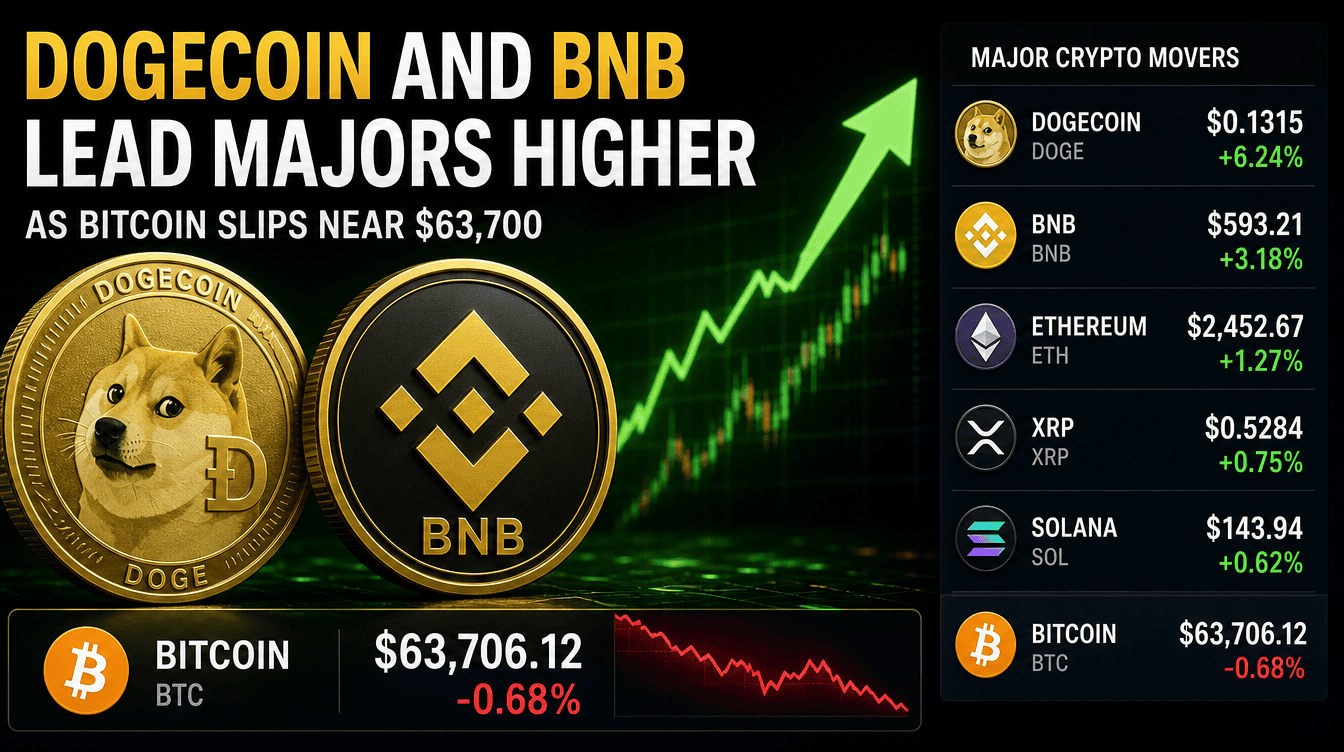
Bitcoin (BTC) dropped around 1.5% to $88,300 shortly after Powell’s comments, with prices continuing to slide further to $88,000, marking a 3.2% decrease in the last 24 hours. Ether (ETH) mirrored this decline, while the CoinDesk 20 Index posted a slight increase of 0.5%, buoyed by Ripple (XRP) surging 13%, potentially due to remarks from SEC Chair Gary Gensler, which some interpret as signs of his possible exit following Trump’s victory.
Market expectations of a Fed rate cut in mid-December have now decreased to 62%, down from 83% just a day prior, according to CME FedWatch data.
Traditional financial markets also faced some headwinds, with the Nasdaq dropping 0.75%, as Powell’s hawkish tone dampened investor sentiment.
Despite this, cryptocurrency markets continue to show resilience, with Bitcoin up by 15% week-over-week and altcoins like Cardano (ADA), Ripple (XRP), NEAR, and Stellar (XLM) seeing gains ranging from 20% to 40% during the same period.

 cpeditor