cpeditor
Bitcoin Stuck in Narrow Range as ETF Demand Meets Selling Pressure
Bitcoin showed little movement Tuesday, extending its five-week period of consolidation as continued buying through exchange-traded funds was countered by selling from miners and corporate treasury holders.
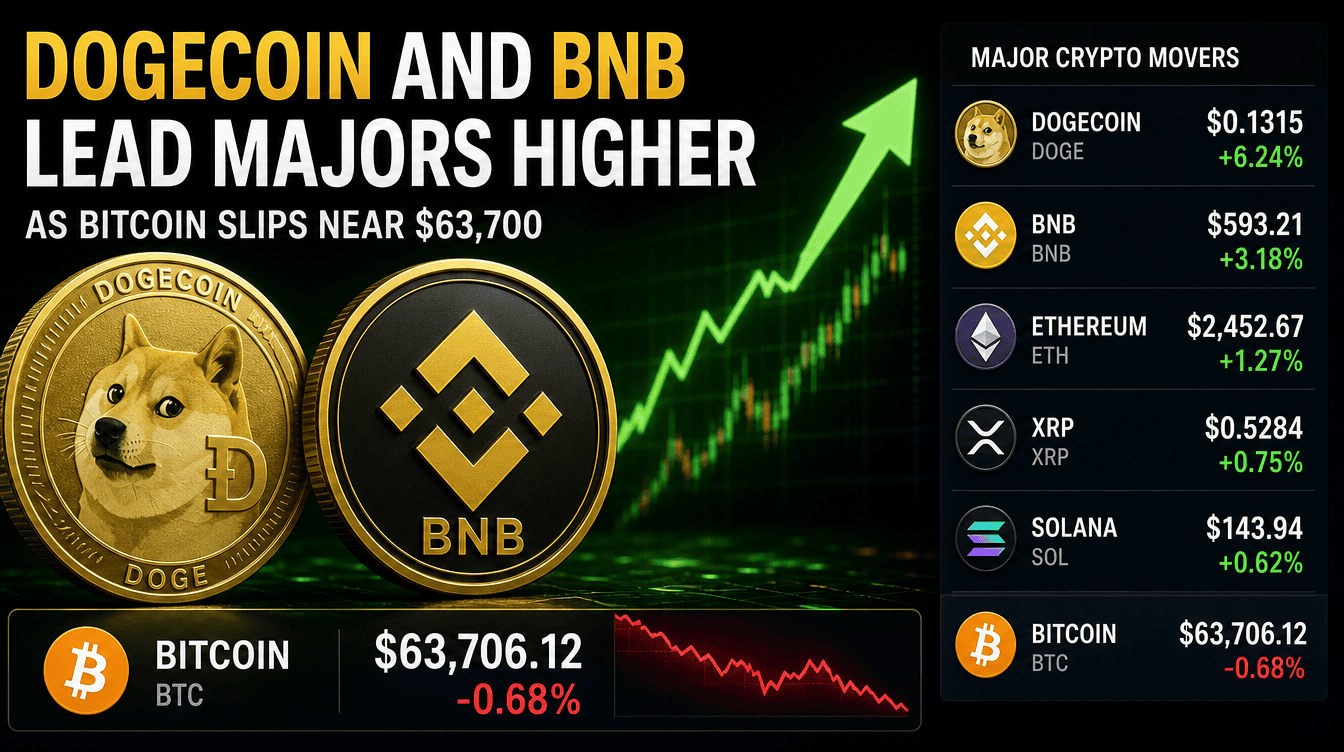
BTC declined roughly 0.6% over 24 hours to around $63,500, keeping the cryptocurrency within the $62,000-$66,000 range that has dominated trading throughout much of the summer.
Paul Howard, senior director at trading firm Wincent, said the market has been caught between persistent ETF inflows and over-the-counter sales from miners and Strategy.
Crypto trading volumes have also weakened substantially, falling to their lowest levels in approximately three years, according to Howard. The lack of liquidity has made it harder for either buyers or sellers to generate enough momentum for a decisive breakout.
Bitfinex analysts highlighted the same opposing forces. ETFs and Bitcoin-focused corporate treasury companies have remained important sources of relatively price-insensitive demand, while selling by corporate holders has helped absorb those inflows.
The competing flows help explain why Bitcoin rose only about 2% last week despite strong ETF demand and a favorable backdrop across broader risk markets.
CPI Data Could End Bitcoin’s Long Consolidation
Wednesday’s U.S. inflation figures could provide the catalyst needed to break Bitcoin out of its current trading range.
Jeff Anderson, managing partner at STS Digital, said conviction remains limited on both sides of the market as thin summer liquidity keeps volatility subdued.
Implied volatility has fallen significantly as traders await clearer signals about Federal Reserve policy and the progress of the Digital Asset Market Clarity Act.
Anderson said the unusually compressed volatility could set the stage for a larger price swing if Bitcoin eventually breaks above or below its established range.
The CPI report represents an important test because it is the first major inflation reading since Fed Chair Kevin Warsh’s inflation-focused comments following the July Federal Reserve meeting.
Howard expects Bitcoin to continue consolidating into mid-September unless a significant fundamental catalyst emerges. Developments surrounding the Clarity Act could provide another major source of momentum.
Derivatives positioning also indicates that traders remain relatively well hedged, suggesting there is little conviction behind bets on an immediate breakout.
September Could Bring Additional Headwinds
If Bitcoin fails to escape its current range, historical September weakness could become another factor for investors to consider.
CoinGlass data shows that Bitcoin has fallen by an average of about 4% in September since 2013, making the month historically its weakest period.
With liquidity still limited, volatility suppressed and major market participants waiting for a clearer catalyst, Bitcoin could remain range-bound until a shift in economic data, regulation or capital flows triggers the next major move.