cpeditor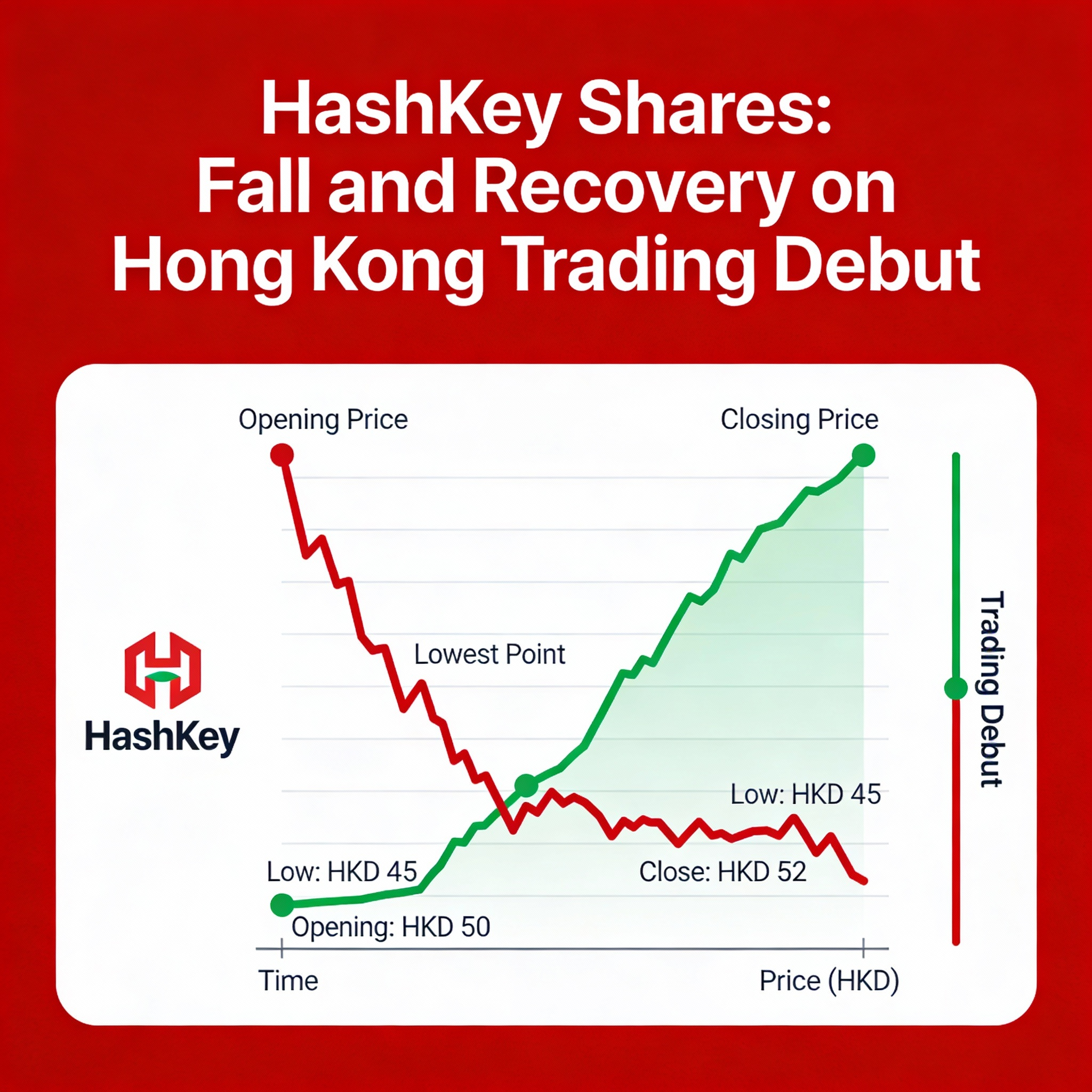
HashKey Holdings’ shares slipped in their Hong Kong trading debut, highlighting investor skepticism over whether the city’s largest licensed crypto exchange can translate rising volumes and regulatory advantages into sustainable profitability.
The stock opened below its IPO price and fell as much as 5% to around HK$6.34 in mid-morning trade. Losses later narrowed, with shares closing at HK$6.67, just 0.15% below the offer price. The initial dip followed the release of prospectus disclosures earlier this month that revealed sizable losses alongside rapid growth in users and trading activity.
The listing comes amid a softer backdrop for crypto-linked equities, with bitcoin retreating from its record highs earlier this year to trade near $87,000, weighing on sector valuations globally.
HashKey dominates Hong Kong’s regulated crypto market, accounting for roughly three-quarters of licensed trading activity and processing more than $81.8 billion (HK$638 billion) in volume in 2024, according to its prospectus. However, its aggressive low-fee model—charging largely below 0.1%—has constrained revenue growth while operating costs tied to licensing, custody, compliance and infrastructure remain high.
Between 2022 and mid-2025, the exchange posted cumulative net losses of about $385 million (HK$3.0 billion), with cash burn still elevated. Investors appear to be assessing whether scale alone can eventually close that gap, or whether higher fees or more profitable services will be needed to improve margins.
The subdued debut may also reflect a more limited growth narrative. HashKey has pulled back from offshore retail markets, shuttering its Bermuda-registered entity, and is now increasingly anchored to Hong Kong’s regulatory regime. That shift makes its prospects more dependent on local policy developments, institutional participation and capital markets activity than on broader global crypto cycles.
HashKey competes with Bullish, the parent company of CoinDesk.