cpeditor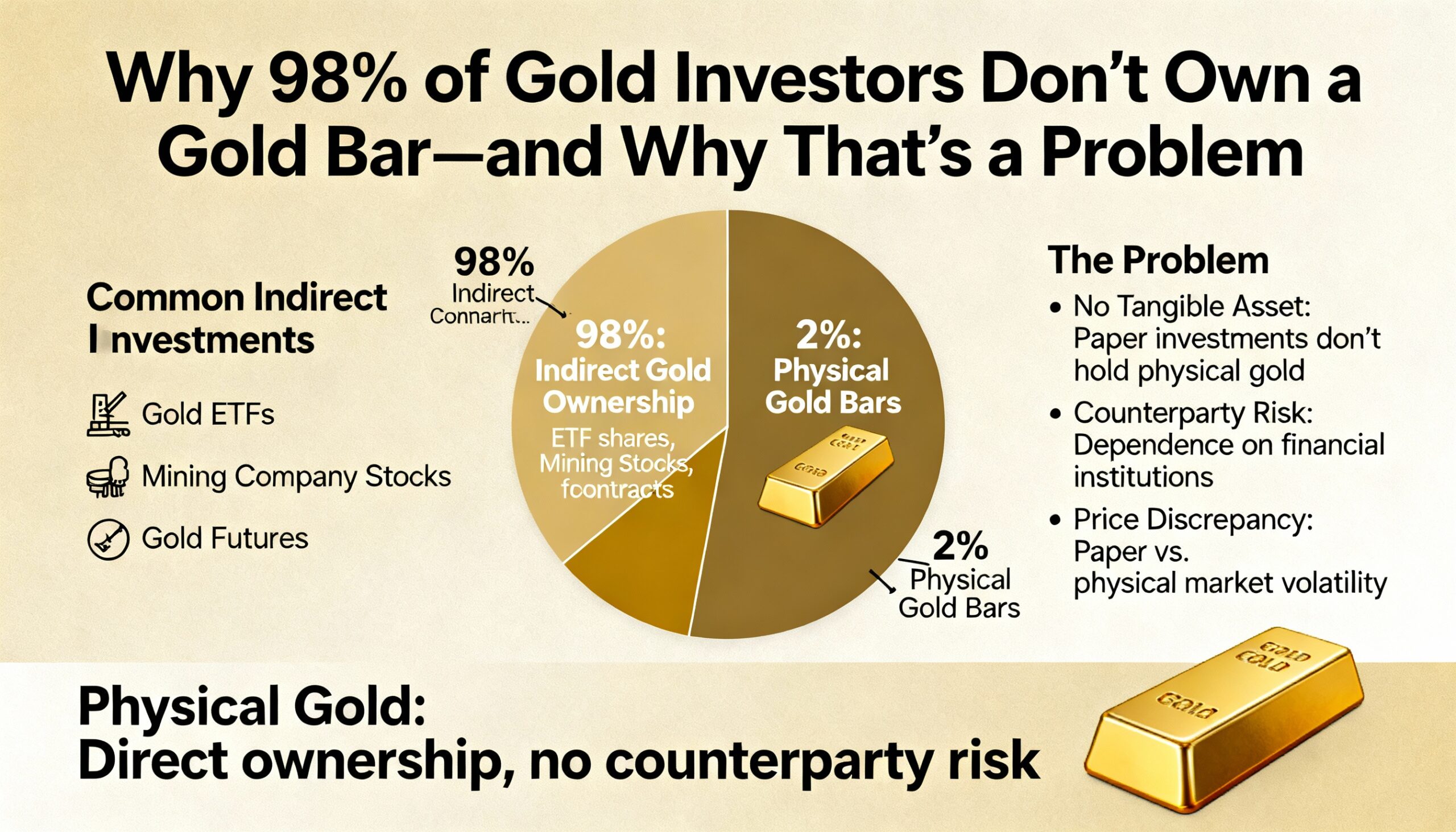
With gold prices surging, Aurelion is turning to tokenized bullion to hedge against structural risks in paper gold markets.
Gold’s rally has been relentless. Prices have climbed more than 80% over the past year, placing the precious metal among the best-performing assets globally. But while investors chase the upside, a deeper vulnerability is building beneath the surface, according to Björn Schmidtke, CEO of gold-focused treasury firm Aurelion (AURE).
That vulnerability, Schmidtke says, is rooted in the way most investors gain exposure to gold.
For many, buying gold means purchasing exchange-traded funds or similar instruments that track the metal’s price. These products—often referred to as “paper gold”—offer convenience and liquidity, but they stop short of granting direct ownership of physical bullion.
“When investors buy paper gold, they think they own gold,” Schmidtke said in an interview with CoinDesk. “In reality, they own a claim—an IOU that depends on the system working as expected.”
A market built on unallocated claims
Paper gold has long dominated because it removes the complexity of storing, insuring, and transporting bullion. But Schmidtke argues that this efficiency comes at a cost.
He estimates that roughly 98% of global gold exposure is unallocated, meaning investors hold claims that are not tied to specific gold bars. The structure has held up largely because few investors ever ask for delivery.
That assumption, he warns, may not hold in a severe crisis.
If fiat currencies were to rapidly lose purchasing power, investors could rush to redeem physical gold they believe they already own. At that point, the lack of clear ownership records could create severe bottlenecks.
“You can’t suddenly move billions of dollars’ worth of gold,” Schmidtke said. “And if ownership isn’t clearly defined, the system struggles even more.”
In such a scenario, physical gold could begin trading at a premium to paper instruments, leaving holders of derivatives exposed. Schmidtke points to past dislocations in the silver market, where physical shortages emerged even as paper prices remained relatively stable.
“We’ve already seen how quickly physical markets can decouple,” he said. “Gold is not immune to that risk.”
Tokenization and proof of ownership
Schmidtke believes tokenized gold offers a way to address these structural weaknesses by embedding ownership directly into the asset.
He compares paper gold to a real estate project where investors buy shares promising future delivery of apartments—but never receive title deeds. When it comes time to hand over the properties, sorting out ownership becomes slow and chaotic.
Tokenized gold aims to eliminate that ambiguity. With Tether Gold (XAUT), each token corresponds to a specific, allocated gold bar stored in Swiss vaults. Ownership is recorded onchain, allowing the “title” to be transferred digitally without requiring the physical metal to move.
“The gold stays where it is,” Schmidtke said. “What moves is the ownership.”
While physical redemption would still take time, he argues that the most critical risk—uncertain ownership during periods of stress—is removed. Investors can verify their allocation and trust that their claims are traceable and enforceable.
Aurelion’s long-term positioning
That reasoning has reshaped Aurelion’s treasury strategy.
The firm has shifted its gold holdings into XAUT, favoring tokenized, fully allocated bullion over traditional paper exposure. Schmidtke says the approach combines the efficiency of digital assets with the credibility of physical settlement.
“How you own gold matters just as much as the fact that you own it,” he said.
Schmidtke views tokenized gold as still early in its adoption cycle, particularly as investors pay closer attention to counterparty and settlement risks. Aurelion does not plan to sell its holdings unless prices fall to a “significant and sustained discount” relative to the value of the underlying gold.
“This isn’t about short-term trades,” Schmidtke said. “It’s about building durable, long-term exposure.”
Aurelion plans to raise additional capital over the next year to expand its gold treasury. According to CoinGecko data, the firm currently holds 33,318 XAUT tokens, valued at approximately $153 million.