cpeditor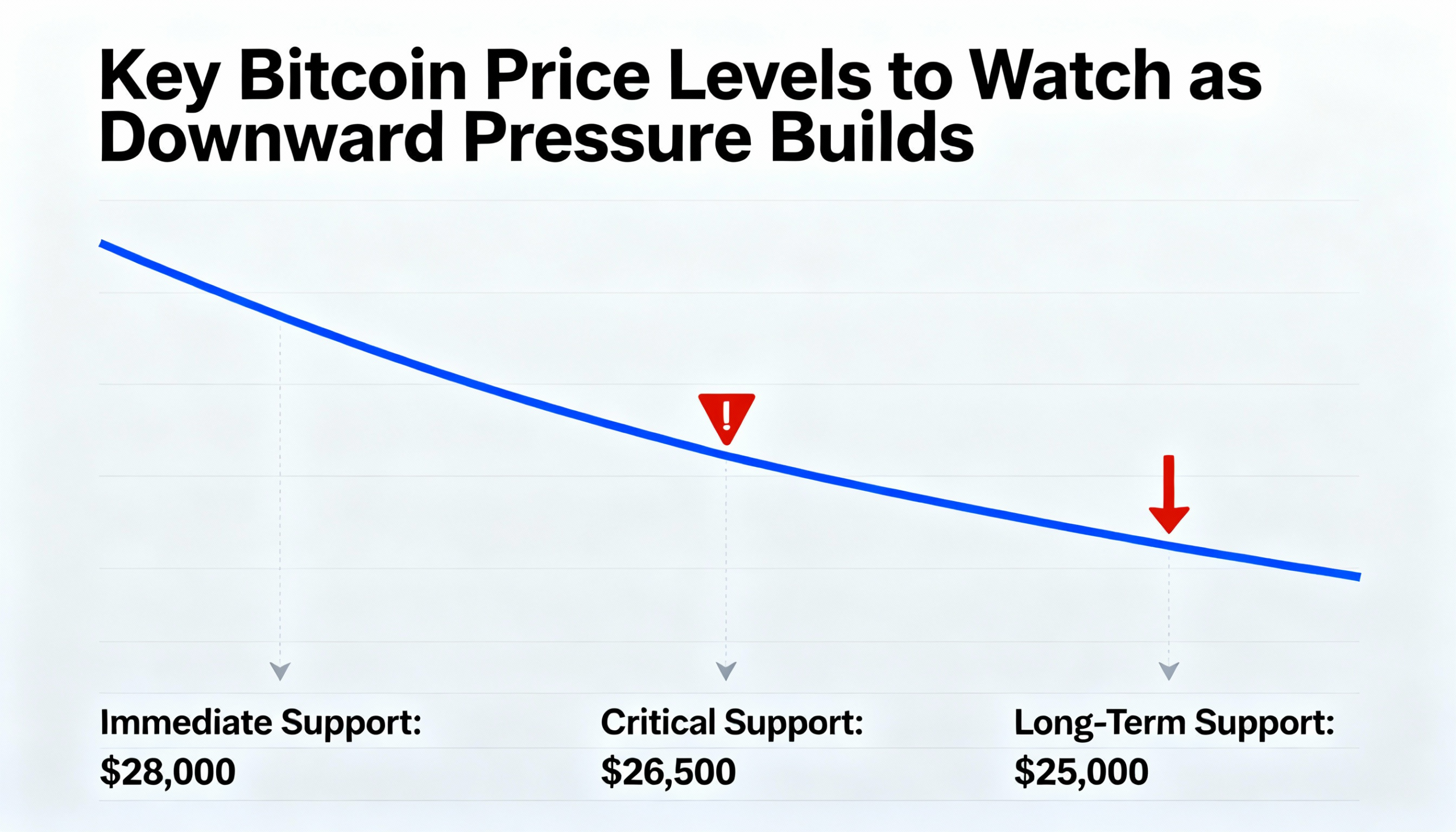
Bitcoin remains in a downtrend, with key technical and onchain levels acting as potential support.
The cryptocurrency dipped to around $86,000 when CME futures reopened on Sunday after the weekend pause, before recovering slightly. Despite the modest rebound, the broader market structure remains bearish.
The drop created a CME gap near $89,265. Gaps occur when bitcoin’s spot price moves while CME futures are closed, and historically, price tends to revisit these levels.
Bitcoin last hit an all-time high on Oct. 6, 111 days ago, and has since fallen roughly 30%, reinforcing downward momentum. A break below $80,000 could open the way for a retest of April 2025 lows near $76,000, a level tied to the tariff-driven selloff.
The 100-week moving average, currently around $87,145, continues to provide structural support, having held since the Nov. 21 low near $80,000. Bitcoin has already slipped below its 50-day moving average, just above $90,000, a key gauge of short-term trend direction.
Other notable support levels include the Difficulty Regression Model at $89,300, reflecting estimated mining costs, and the aggregate cost basis of U.S. spot BTC ETF buyers at $84,099. Onchain data also indicate the 2024 average exchange withdrawal price at $82,713.
Finally, the True Market Mean Price, calculated by dividing Investor Cap by Active Supply, sits just above $80,000, closely aligned with the November low and highlighting its role as a potential mean-reversion level.