cpeditor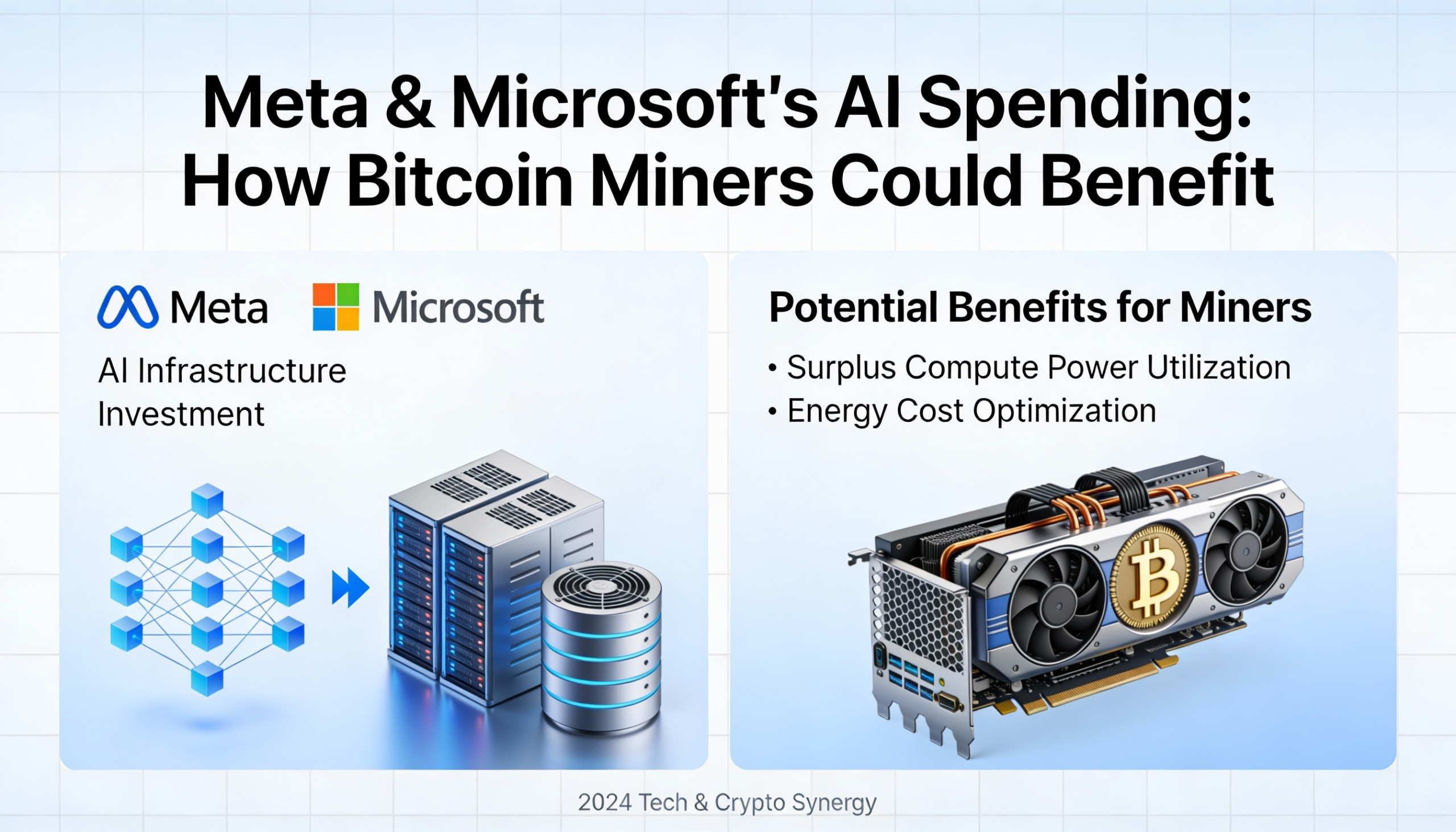
Bitcoin mining firms that have repositioned their operations toward artificial intelligence infrastructure continued to outperform, as earnings and forward guidance from major technology companies pointed to sustained demand for AI capacity.
Results released Wednesday by Meta and Microsoft showed no sign of a slowdown in AI-related spending. Meta forecast 2026 capital expenditures of $115 billion to $135 billion, exceeding consensus expectations of around $110 billion and reinforcing its long-term commitment to AI. Microsoft likewise emphasized AI as a central growth engine.
“We’re still in the early innings of AI adoption,” Microsoft CEO Satya Nadella said, adding that the company’s AI business has already surpassed the scale of several legacy franchises.
For bitcoin miners, the implications are significant. Following last year’s halving, which cut mining rewards in half, operators have faced tighter margins alongside rising power costs and competition. To offset the pressure, a growing number of miners have repurposed their data centers to host AI and cloud-computing workloads, diversifying revenue away from pure bitcoin mining.
Several miners have already secured large-scale partnerships. In November, Iren signed a multiyear agreement with Microsoft to support AI workloads using Nvidia hardware, marking a deeper push into high-performance computing. Around the same time, Cipher Mining struck a deal with Amazon to supply 300 megawatts of capacity to Amazon Web Services, one of the largest AI infrastructure commitments made by a bitcoin miner.
Investor response has been strong. Iren shares gained nearly 5% on Wednesday, lifting its year-to-date advance to 47% and its year-over-year gain to more than 500%. Cipher Mining is up 17% so far this year and roughly 320% over the past 12 months. Hut 8, another miner expanding into AI and high-performance computing, has risen 26% year-to-date and about 230% year-over-year.
Attention now turns to Nvidia’s earnings report on Feb. 25, which investors see as a key indicator of whether AI infrastructure spending can continue at its current pace.