cpeditor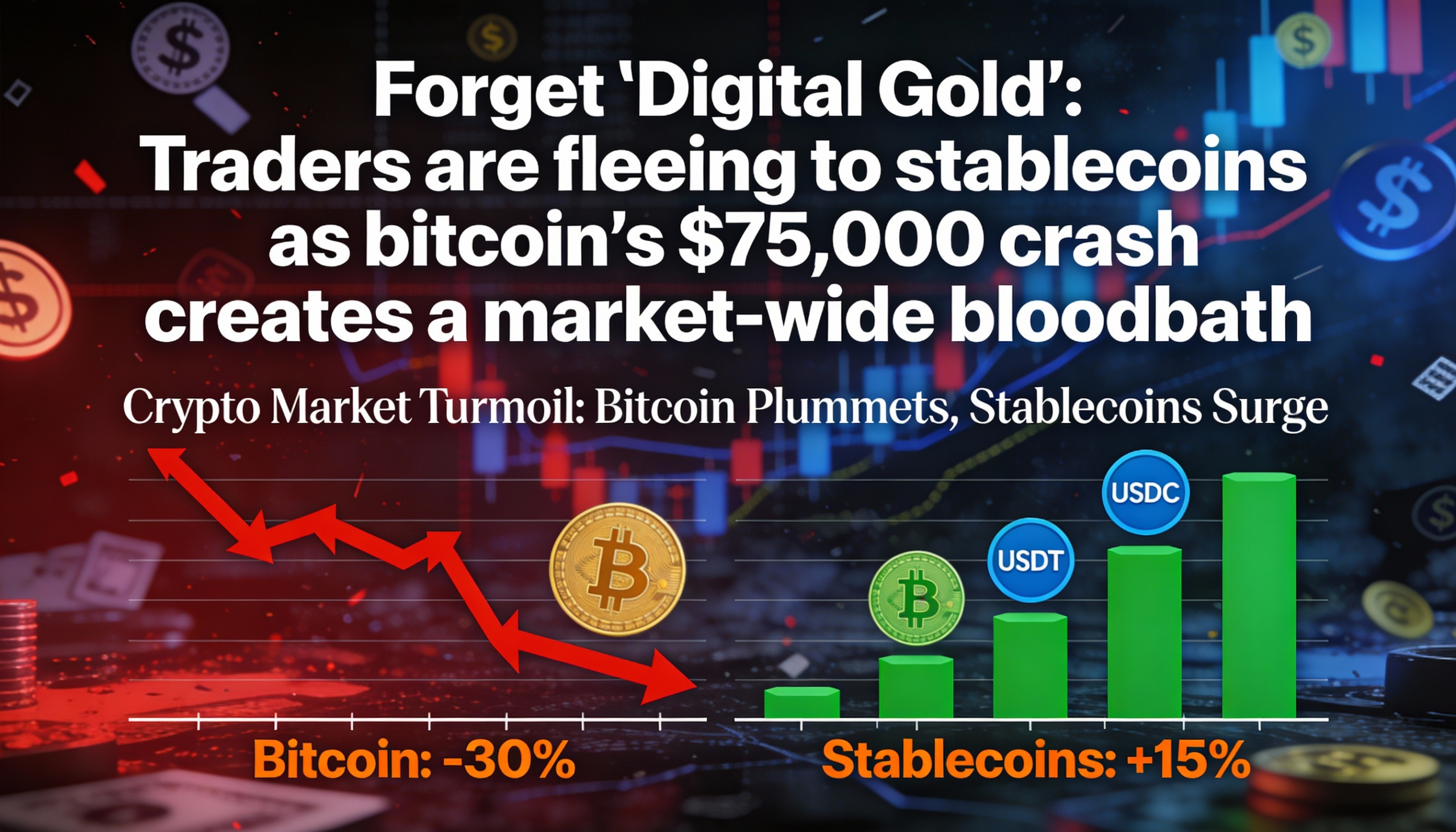
Despite thousands of altcoins and growing institutional adoption, crypto markets in 2026 remain closely tethered to bitcoin, offering little meaningful diversification.
A decade ago, crypto behaved predictably: when bitcoin surged, most altcoins followed; when it fell, the entire market dropped. Portfolios spread across “diverse” tokens often looked varied on paper but collapsed during BTC sell-offs. Fast forward to 2026, and the market largely shows the same pattern, despite thousands of additional tokens.
Institutions have pitched crypto as a multi-faceted asset class, with projects boasting unique use cases. In reality, most tokens still mirror bitcoin’s movements. Year-to-date, BTC has fallen 14% to $75,000, its lowest level since April 2025, while almost all major and minor altcoins have fallen similarly or more. CoinDesk tracks 16 indices across categories, and nearly all are down 15%–19%, with DeFi, smart contract, and computing-focused indexes down 20%–25%.
Even revenue-generating tokens have followed BTC lower. DefiLlama data shows top revenue-generating protocols—including decentralized exchanges and lending platforms such as Hyperliquid, Pump, Aave, Jupiter, Aerodrome, Lighter, Base, and layer-1 blockchains like Tron—have seen their native tokens mostly in the red. For example, Aave’s AAVE token has dropped 26%, while Hyperliquid’s HYPE is up 20% despite retracing, buoyed by tokenized gold and silver trading.
Experts say a persistent narrative framing BTC, ETH, and SOL as “safe havens” masks the resilience of revenue-generating projects. “The only things that make money in downturns are DeFi protocols like $HYPE, $PUMP, $AAVE, and $AERO,” said Jeff Dorman, CIO at Arca. He called for the industry to designate and promote true crypto safe havens, similar to defensive sectors in traditional markets.
Stablecoins further reinforce BTC’s dominance. Markus Thielen, founder of 10x Research, noted that stablecoins act as cash equivalents, letting investors move quickly from risk-on to neutral exposure.
Bitcoin’s dominance—consistently above 50% of total market value—limits diversification. Among major tokens, BNB and TRX have shown defensive traits, with TRX down just 1% year-to-date. Institutional inflows, including U.S. spot ETFs, have cemented BTC’s central role.
“Downturns continue to concentrate the market into BTC, clearing out unprofitable projects,” said Jimmy Yang, co-founder of Orbit Markets.
For now, despite thousands of altcoins and rising adoption, crypto remains firmly tethered to bitcoin’s swings, leaving true diversification elusive.