cpeditor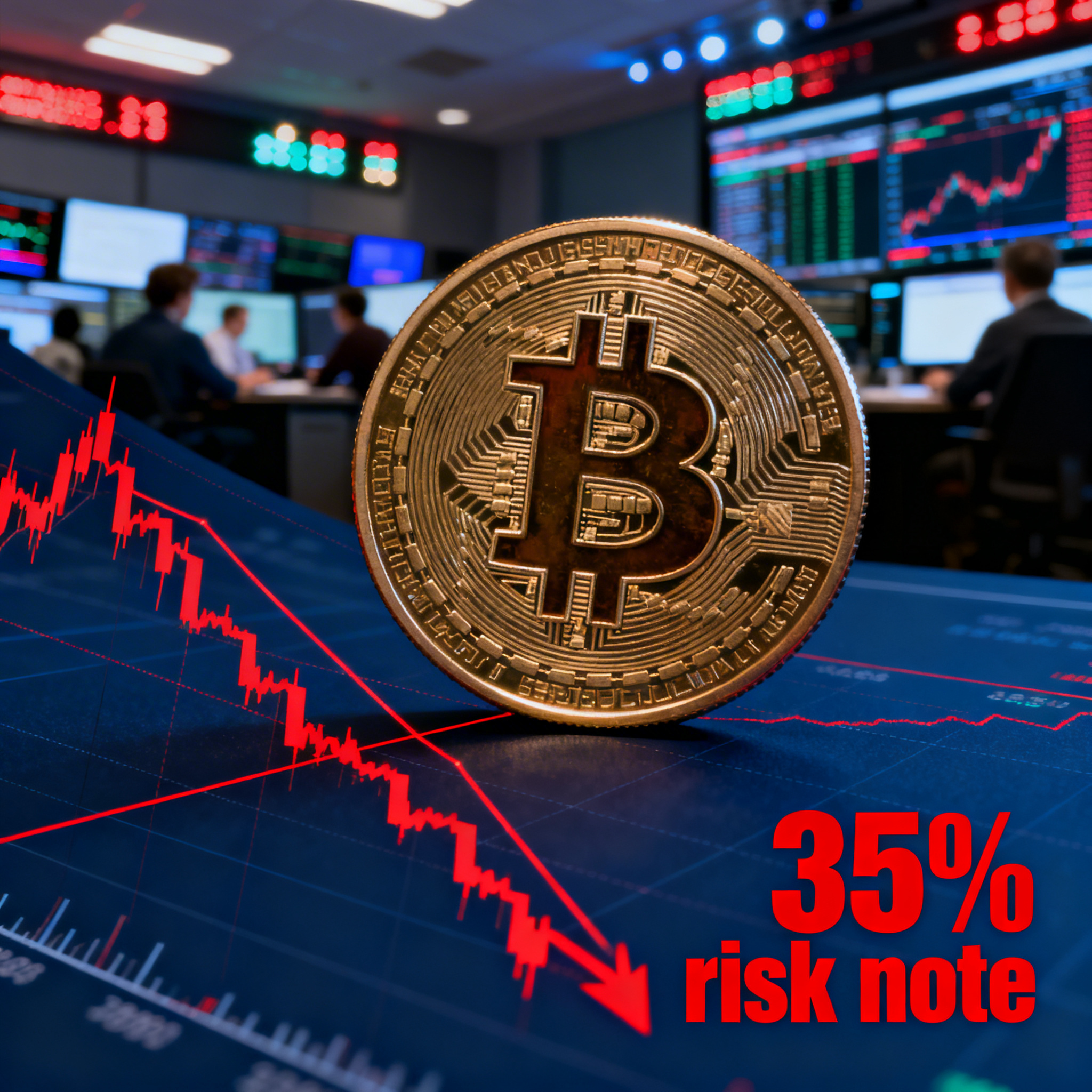
Global markets are facing renewed pressure as geopolitical tensions escalate and oil prices climb above $100 per barrel. Despite the turbulence across traditional assets, Bitcoin has shown relative resilience.
The largest cryptocurrency was trading near $67,378 on Monday morning, up about 1.1% over the past 24 hours and roughly unchanged for the week, even as broader financial markets have weakened.
Among other major digital assets, Ether rose 2.3% to $1,981, remaining just under the $2,000 threshold. BNB gained 1.4% to $624, while Dogecoin climbed 1.8% to about $0.09. Solana advanced 1.8% to $83.69 but is still down around 1.5% over the past seven days, making it the weakest performer among the major tokens during that period. XRP traded flat near $1.35, leaving it roughly 1% lower for the week.
In contrast, traditional financial markets are displaying increasing signs of stress. Futures tied to the S&P 500 fell more than 2% during Asian trading hours. Meanwhile, the CBOE Volatility Index jumped to its highest level since the tariff-related market volatility seen in April. Oil prices have surged above $100 per barrel, while the U.S. dollar recently recorded its strongest weekly gain in about a year.
Against this backdrop, veteran strategist Ed Yardeni raised his estimate for the probability of a U.S. stock market meltdown this year to 35%, up from 20%. At the same time, he lowered the odds of a market “melt-up” to just 5%.
“The U.S. economy and stock market are stuck between Iran and a hard place,” Yardeni wrote, noting that a prolonged oil shock could complicate monetary policy by increasing the risks of both rising inflation and higher unemployment.
During severe risk-off environments, investors typically reduce exposure to volatile assets and shift funds toward safer holdings such as cash, government bonds, and the U.S. dollar. Despite its reputation as a hedge, bitcoin has historically declined alongside equities during major market downturns since 2020.
Still, analysts suggest the link between bitcoin and stocks is often overstated. In a recent research note, Greg Cipolaro said bitcoin’s recent tendency to move in line with U.S. software stocks likely reflects shared exposure to the current macroeconomic climate rather than a deeper structural relationship.
Cipolaro estimates that only about 25% of bitcoin’s price movements can be attributed to correlation with equities, while roughly 75% are driven by crypto-specific factors.
The broader outlook for equities remains fragile. A global stock gauge compiled by MSCI declined 3.7% last week, with Asian markets experiencing the steepest losses. South Korea’s stock market has yet to fully recover from a historic two-day plunge, while hedge funds have been increasing short positions in U.S. equity ETFs. Meanwhile, yields on benchmark 10-year U.S. Treasuries rose six basis points as traders priced in inflation risks tied to higher oil prices.
U.S. stocks have performed somewhat better than many global counterparts, partly because the country’s relative energy independence provides some insulation from oil shocks. The S&P 500 declined about 2% last week.
However, the drop of more than 2% in stock futures early Monday suggests that this cushion may be beginning to weaken.