cpeditor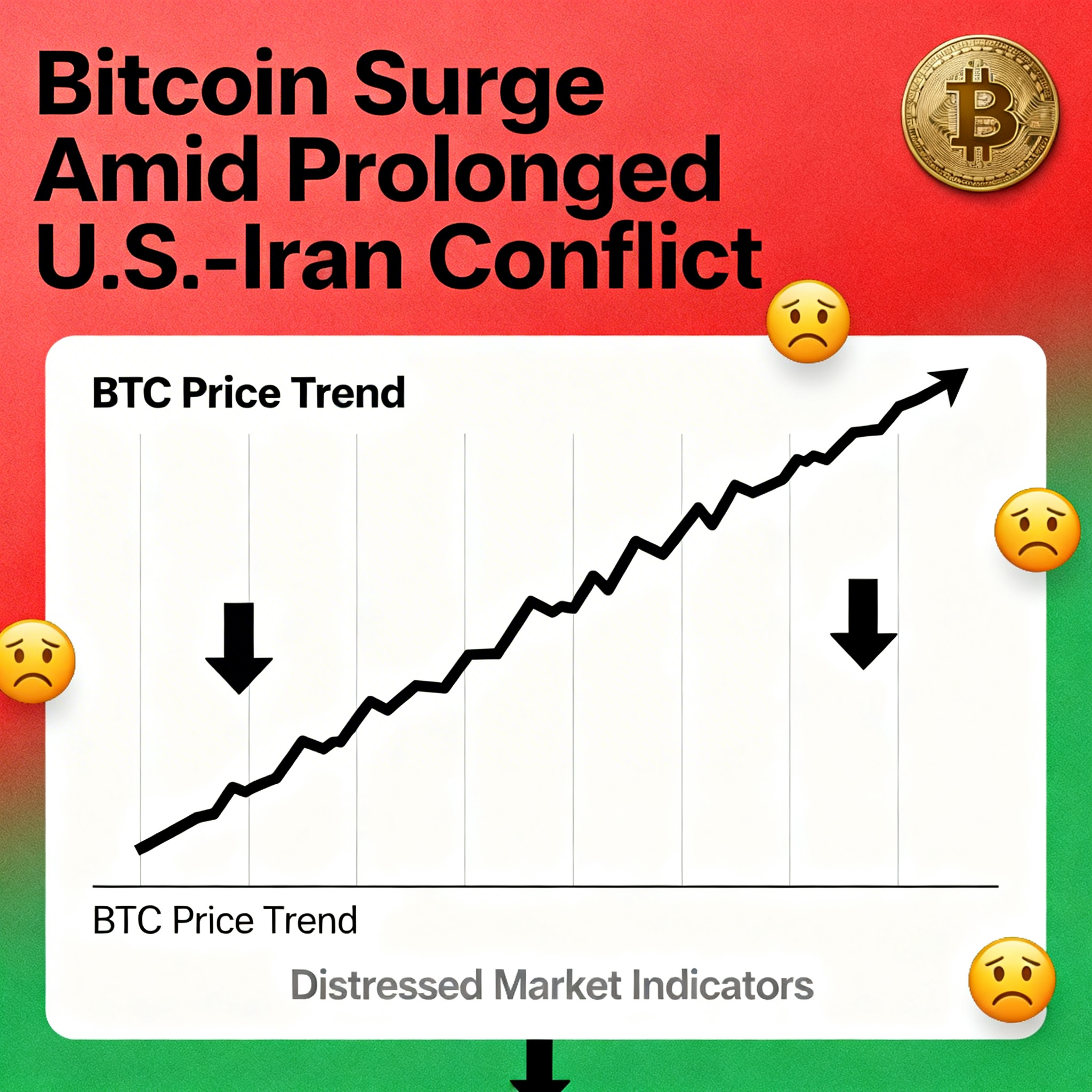
Macro strategist Mark Connors believes Bitcoin could benefit if tensions between the United States and Iran evolve into a prolonged conflict, arguing that increased government spending, expanding debt and the potential for lower interest rates could create conditions that historically favor the cryptocurrency.
According to Connors, wars are expensive and are typically financed through higher levels of government borrowing. As new debt is issued to fund military operations, the supply of dollars in the financial system rises, which can weaken the value of existing currency and boost non-dollar assets such as Bitcoin.
“Liquidity drives bitcoin,” Connors said in an interview. He previously served as head of research at 3iQ and as global head of portfolio and risk advisory at Credit Suisse. He now runs a bitcoin advisory firm called Risk Dimensions.
If the conflict stretches on for several months, Connors expects U.S. government spending to accelerate as the country finances military operations. “If the war runs longer, that means more spending and more deficit spending,” he said, adding that such a backdrop tends to be supportive for Bitcoin.
The U.S. debt burden has already been expanding quickly. Connors said federal debt has been rising at an annualized pace of about 14% since mid-2025. If that trend continues, the overall debt level could increase roughly 15% year over year.
Market activity on Monday appeared to reflect some of these dynamics. Bitcoin climbed overnight and into the U.S. morning session as investors shifted capital away from equities and repositioned portfolios amid concerns that geopolitical tensions could persist. Since the first U.S. strike on Iran, the cryptocurrency has risen around 3.6%.
Connors acknowledged that a war-driven spike in oil prices could complicate the outlook by pushing inflation higher. However, he argued that even a stagflationary environment — where economic growth slows while prices continue to rise — could still support Bitcoin.
In such circumstances, policymakers may prioritize maintaining financial stability and ensuring government financing rather than focusing solely on reducing inflation.
Connors added that the Federal Reserve effectively operates with an additional, unofficial mandate beyond its traditional goals of price stability and maximum employment: keeping financial markets, particularly the U.S. Treasury market, functioning smoothly.
He pointed to past disruptions such as the 2019 repo market crisis and the regional banking turmoil in 2023 that followed aggressive interest-rate hikes. Authorities, he said, cannot afford to allow similar disruptions to occur again.
“The Fed has to make sure the Treasury market functions,” Connors said.
That constraint could eventually push policymakers toward lower interest rates, particularly as the government shifts toward issuing more short-term Treasury bills instead of long-term bonds. Lower borrowing costs could become even more likely if Kevin Warsh, reportedly favored by Donald Trump partly for his dovish views, becomes chair of the Federal Reserve in May, pending Senate confirmation.
With a larger share of U.S. debt rolling over quickly, cutting short-term interest rates would directly reduce the government’s financing costs.
If interest rates decline while fiscal deficits continue expanding, liquidity conditions across financial markets would likely improve — a combination Connors believes has historically been favorable for Bitcoin.
“When rates go lower and debt keeps rising,” Connors said, “that’s the kind of environment where bitcoin tends to perform well.”