cpeditor
Bitcoin has shown resilience compared with gold since the outbreak of conflict in Iran, but traders may be best served keeping “dry powder” as price swings remain headline-driven, according to Wintermute’s Bryan Tan.
BTC $70,700.76 drifted toward $69,000 on Thursday as tensions in the Middle East escalated, targeting energy infrastructure and reverberating across global markets.
Oil remained the focus, climbing back above $100 a barrel after a Politico report indicated the U.S. is not considering a crude export ban, reversing earlier losses and keeping inflation concerns elevated.
Equities were pressured as investors weighed the risk of central banks delaying rate cuts—or even considering hikes—in response to inflationary pressures from energy disruptions. The S&P 500 and Nasdaq both fell nearly 1% in morning trading, hitting fresh lows for 2026.
Metals were more sharply affected. Gold dropped 5% to roughly $4,500 an ounce, its lowest since early February, while silver fell 6.6%, extending a sharp correction after weeks of outsized gains.
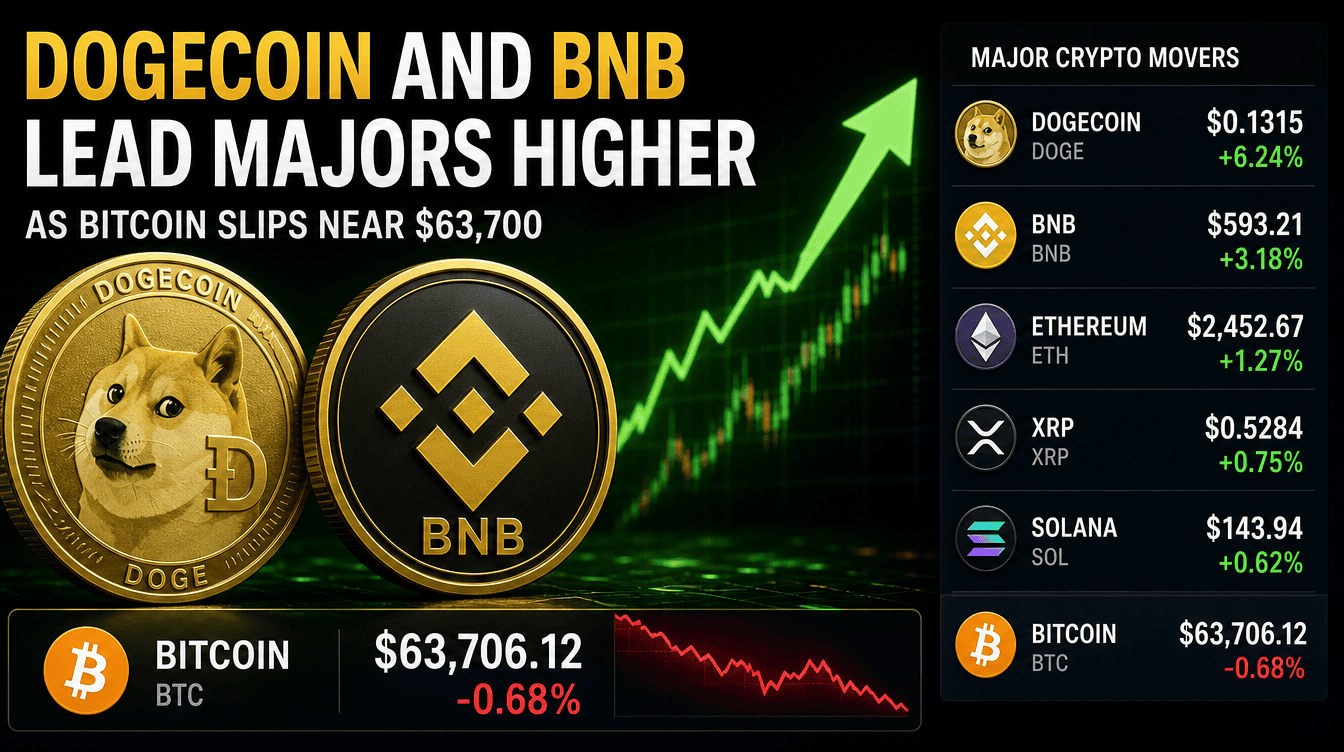
Crypto markets held up comparatively well. Bitcoin traded near $69,400, down about 2.6% on the day. Other major tokens—including ether (ETH), XRP (XRP), BNB $643.75, and solana (SOL)—saw losses under 3%, while the CoinDesk 20 Index slipped around 2.1%.
Crypto-linked equities also retreated but to a lesser extent. Coinbase (COIN) fell 1.7%, bitcoin-focused MicroStrategy (MSTR) dropped 2.6%, and stablecoin issuer Circle (CRCL) pulled back 6%, retracing some of the gains recorded over the past three weeks.
Bitcoin shows relative strength amid risk-off sentiment
The concurrent declines in gold and bitcoin indicate broad de-risking rather than a rotation into traditional safe havens, said Alvin Kan, COO of Bitget Wallet. Rising energy prices are boosting inflation expectations, supporting a “higher-for-longer” interest rate outlook and tighter liquidity—conditions challenging for risk assets.
Still, bitcoin has outperformed gold by roughly 20% since the Iran conflict began, Tan noted—a rare pattern for an asset usually viewed as high-risk. Yet the failure to sustain levels above $75,000 suggests that markets remain cautious and rangebound.
“With sentiment swinging on every headline and bitcoin closely tracking oil, staying flat can be the strongest position,” Tan said. “We recommend holding dry powder until there is a clear directional signal or a material change in market conditions.”