cpeditor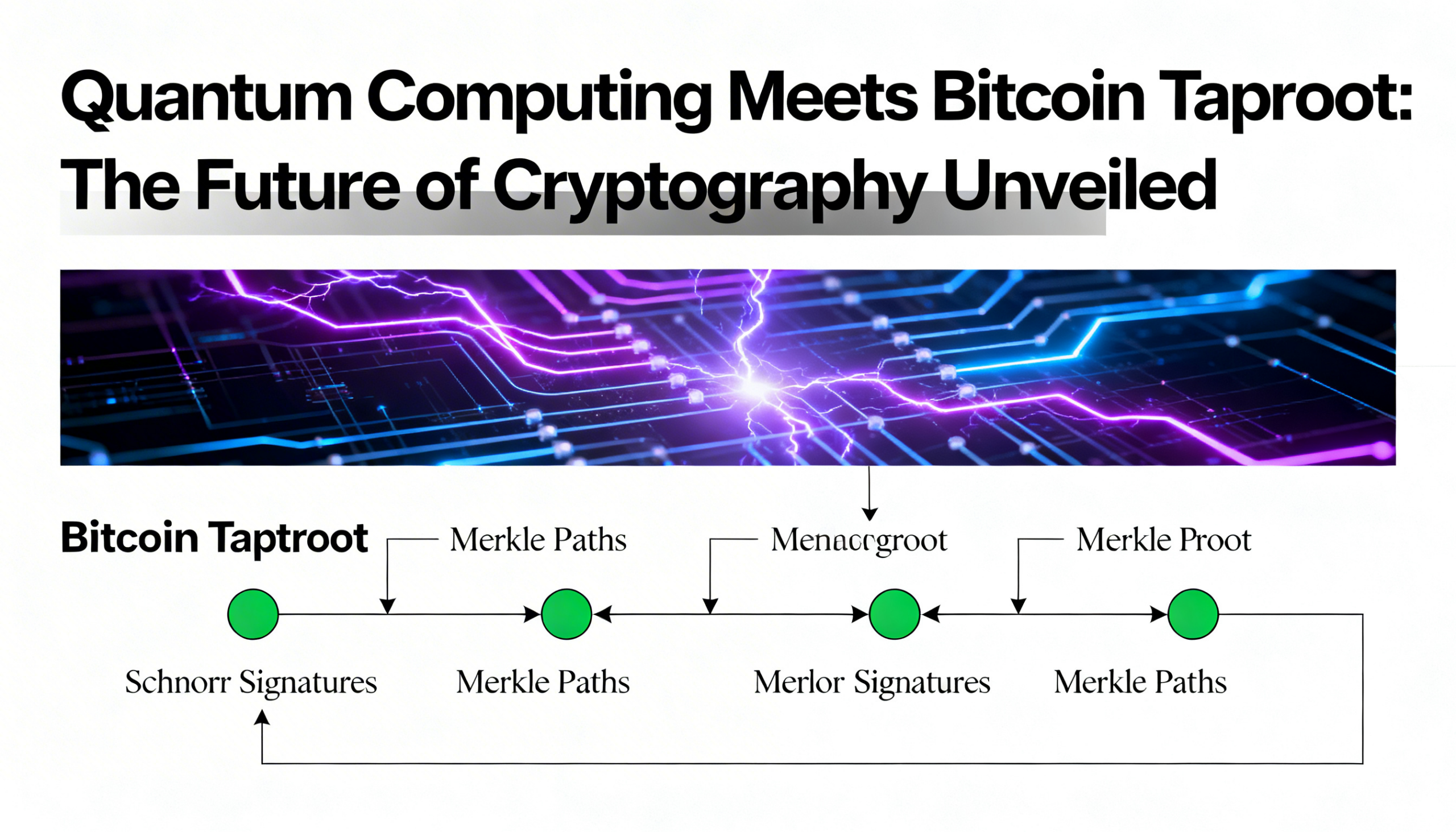
Google Warns Bitcoin Could Be Vulnerable to Quantum Attacks Sooner Than Expected
Bitcoin’s blockchain may be at greater risk from quantum computers than previously thought, and its Taproot upgrade — designed for privacy and efficiency — could be partly responsible, according to Google’s Quantum AI team. In a blog post and new whitepaper, researchers said the computing power needed to break Bitcoin’s cryptography may be far lower than earlier estimates.
The study suggests fewer than 500,000 physical qubits could compromise Bitcoin and Ethereum, compared with the millions previously assumed. Google had pegged 2029 as a milestone for practical quantum systems, meaning crypto migration to quantum-resistant protocols may need to happen sooner.
Quantum computers use qubits, allowing them to solve certain problems faster than classical computers, including cracking wallet encryption. Google modeled two potential attack methods requiring roughly 1,200–1,450 high-quality qubits, suggesting the gap between current technology and a viable attack is smaller than thought.
Rather than targeting dormant wallets, attackers could exploit live transactions. When bitcoin is sent, the public key is briefly exposed. A quantum system could calculate the private key and redirect the funds in roughly nine minutes — just under Bitcoin’s 10-minute confirmation window. Faster networks like Ethereum would be less exposed.
The report notes that about 6.9 million BTC — roughly a third of all supply — sit in wallets with exposed public keys. Taproot, Bitcoin’s 2021 upgrade, increased this exposure by making public keys visible by default.
Google used zero-knowledge proofs to share findings safely, allowing verification without revealing attack steps. The takeaway: quantum threats may arrive sooner, and the risks are broader than previously believed.