cpeditor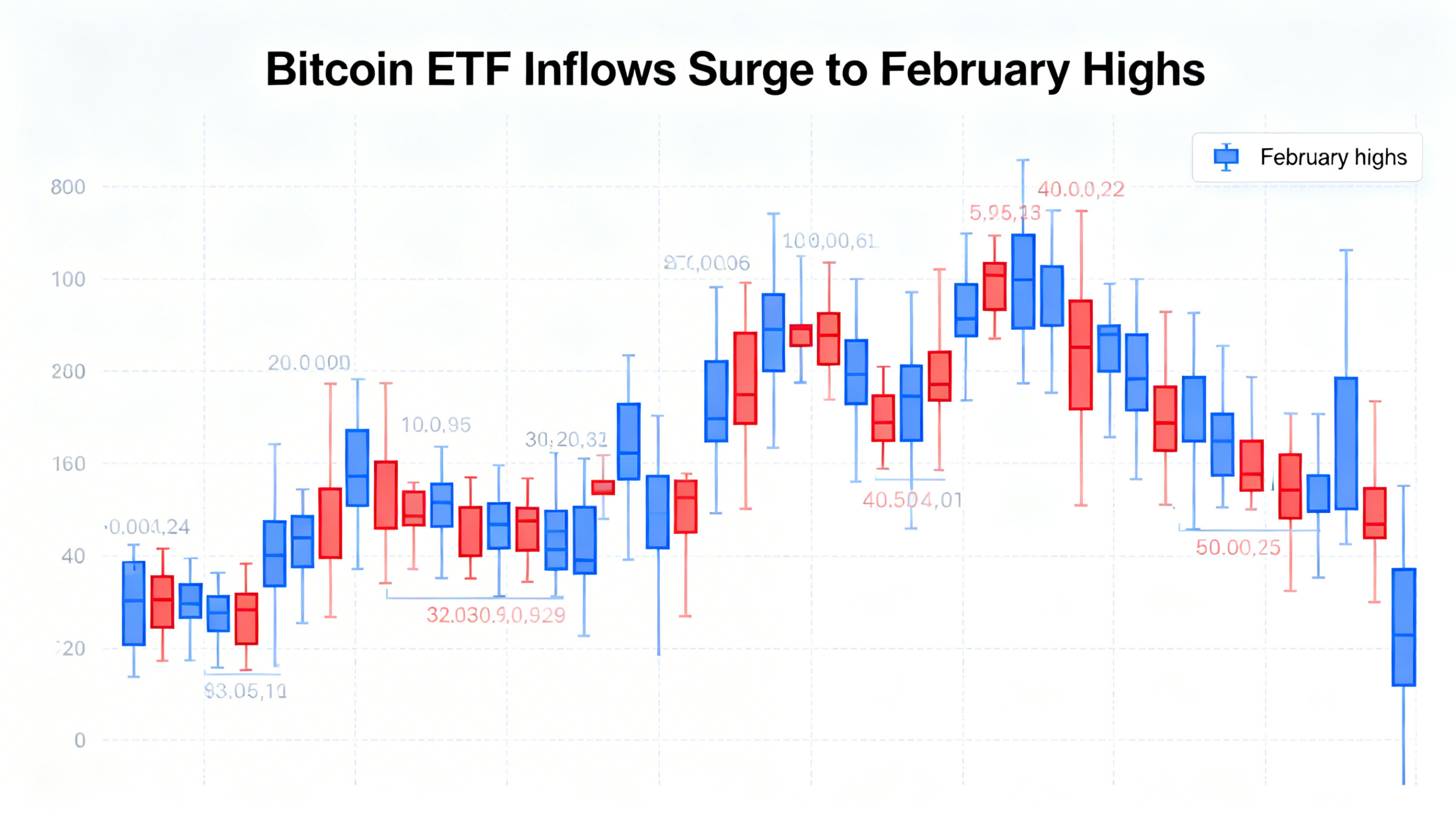
Bitcoin held near $68,780 on Tuesday as U.S. spot Bitcoin ETFs posted their strongest inflows in more than a month, reinforcing their growing role in supporting market demand.
Data from SoSoValue shows the funds attracted a combined $471 million on April 6, the largest daily intake since Feb. 25 and the sixth-highest total recorded this year. The figure, however, remains below the elevated inflow environment seen in January, when multiple sessions exceeded $700 million.
The pickup in ETF flows comes as Bitcoin continues to trade below the $70,000 threshold. Spot demand has remained relatively weak, while selling pressure from large holders has limited upward momentum. In this context, ETFs have increasingly acted as a key buyer, helping to absorb available supply.
Broader macro signals remain largely neutral. Polymarket data suggests markets are assigning a 98% probability that the Federal Reserve will keep interest rates unchanged at its April meeting, with little expectation of near-term policy adjustments.
At the same time, structural shifts in Bitcoin’s relationship with global liquidity may be underway. A Binance Research report highlights a sharp change in Bitcoin’s correlation with its Global Easing Breadth Index, which tracks monetary policy trends across 41 central banks.
Since 2024—when U.S. spot Bitcoin ETFs were approved—that correlation has turned decisively negative. Previously, Bitcoin tended to lag global easing cycles, but the relationship has now reversed, with the inverse correlation becoming significantly stronger.
This shift reflects a change in market leadership. Retail investors once drove marginal pricing and typically reacted to macro developments after they occurred. Now, ETF-driven institutional flows appear more forward-looking, positioning ahead of anticipated policy moves.
“BTC may have evolved from a macro ‘lagging receiver’ to a ‘leading pricer,’” Binance Research said.
With ETF inflows continuing to offset selling pressure and provide price support, Bitcoin may increasingly behave as a forward-looking asset—anticipating central bank policy shifts rather than reacting to them after the fact.