cpeditor
Bitcoin’s push toward the $80,000 level is beginning to look less secure, with weakening trading activity and subdued participation from large investors casting doubt on the rally’s durability, according to 10x Research.
In its weekly report, Markus Thielen, head of research at the firm, highlighted a disconnect between bitcoin’s recent price gains and the underlying strength of market participation. Although BTC has risen roughly 4.7% over the past week, supporting data points to a lack of conviction behind the move.
Trading volumes have declined across the board, with bitcoin running 17% below its average and ether (ETH) down 20%. Funding rates—used to gauge leveraged positioning—have dropped to the 3rd percentile, while overall volumes sit near the 4th percentile. Thielen said this suggests the rally has been driven primarily by spot demand and short covering rather than strong leveraged buying.
This dynamic matters because spot-driven advances, often linked to institutional flows, tend to be more stable but lack the momentum typically seen in stronger bull markets.
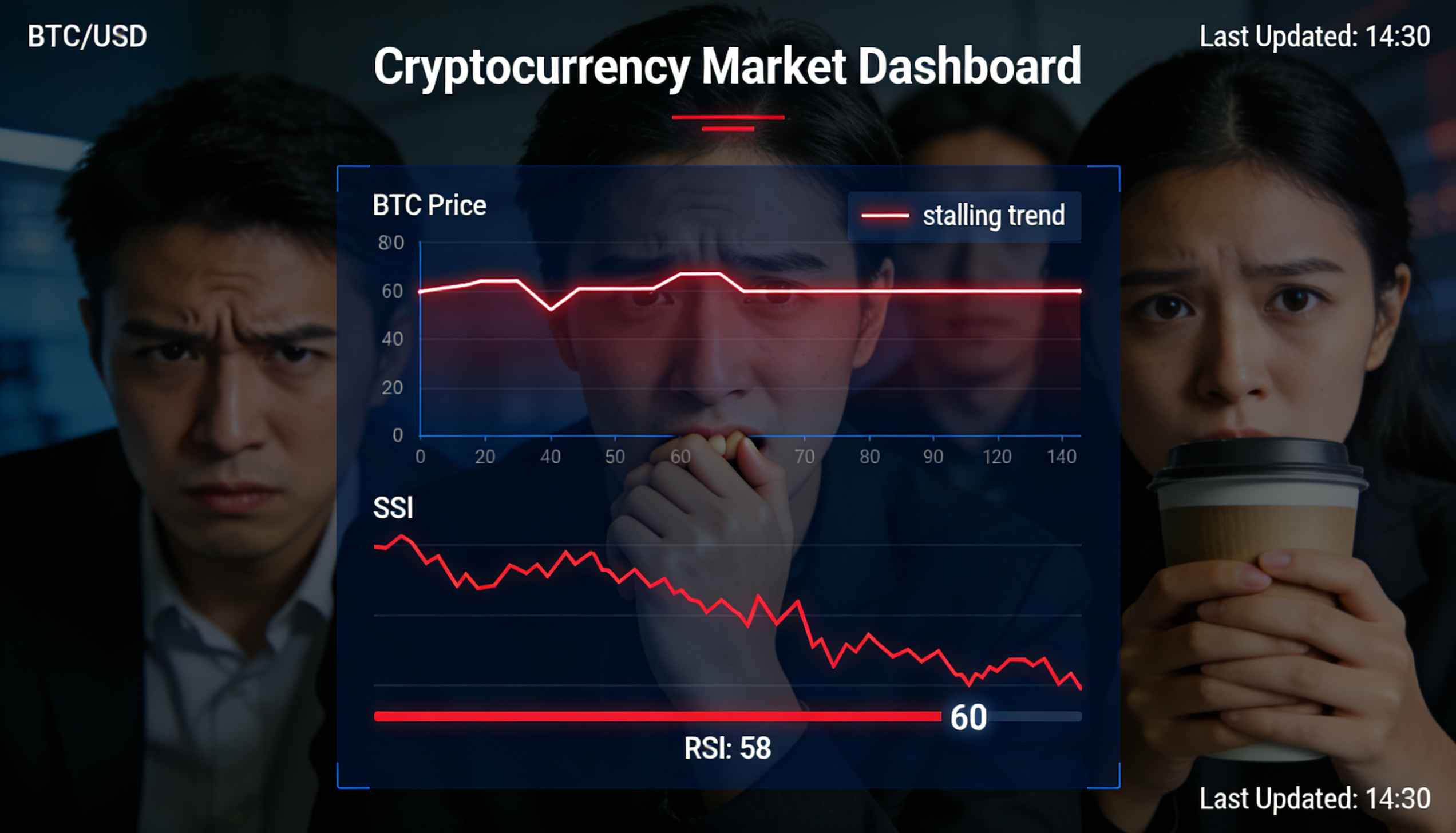
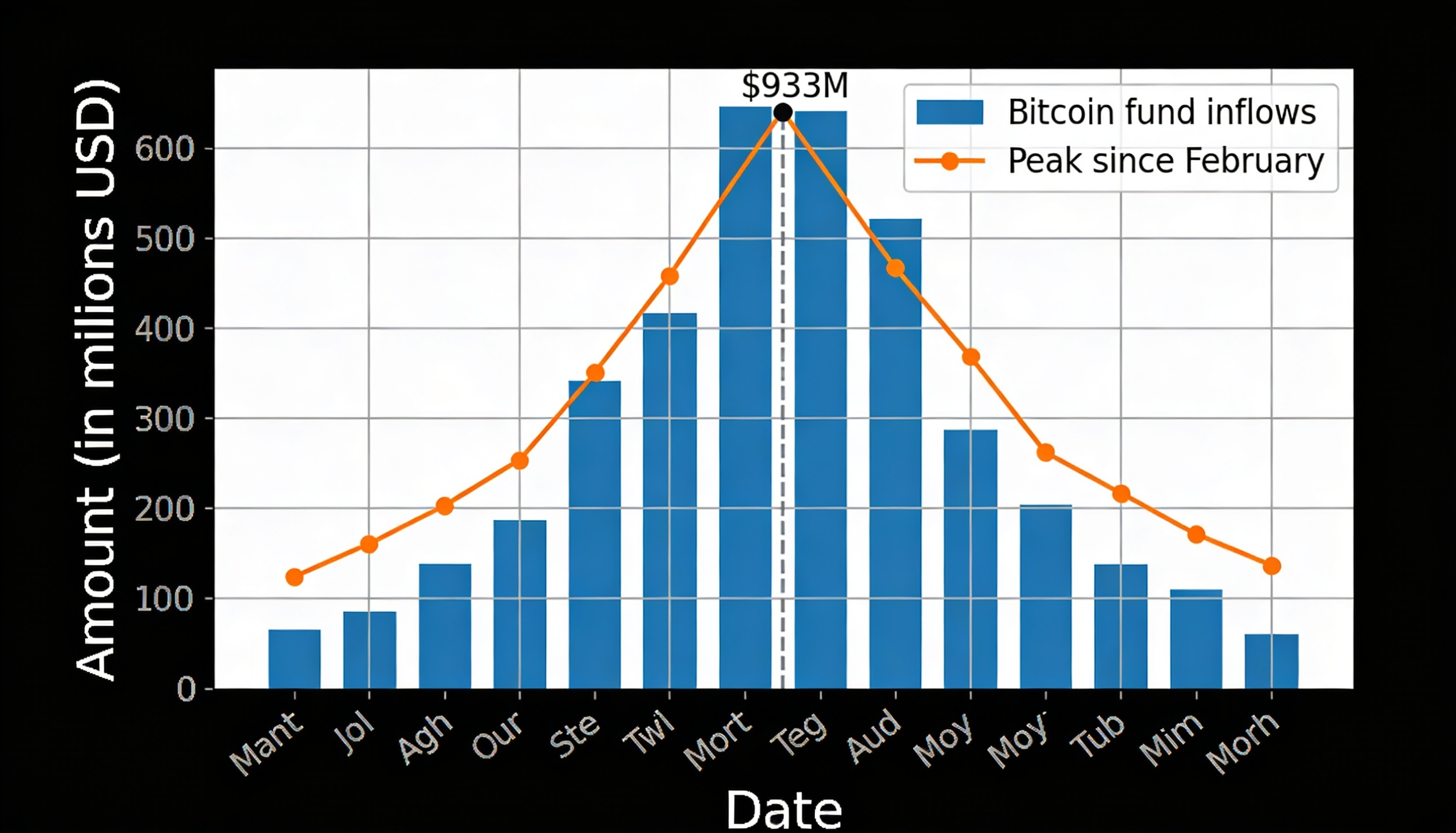
Institutional demand has provided some support. Bitcoin ETFs have posted nine consecutive days of inflows, bringing April totals to about $2.5 billion. Meanwhile, bitcoin dominance has climbed to 60%, signaling that capital is concentrating in BTC rather than dispersing into altcoins.
Still, Thielen warned that the broader market structure remains fragile. He described the current setup as a low-volume, low-funding environment—conditions that historically reflect caution, with many participants staying on the sidelines rather than actively trading.
Options market data reinforces this cautious tone. Implied volatility has dropped into the lower end of its historical range, and traders are pricing in relatively modest near-term price swings, suggesting expectations for calmer conditions despite elevated sentiment.
Ethereum shows a similar pattern, though with even weaker engagement. Trading volumes have fallen by more than 50%, and derivatives positioning indicates limited appetite for risk. Thielen noted that this sharp drop in activity underscores a broader lack of conviction across the market.
Despite these concerns, the outlook is not entirely bearish. With fewer leveraged long positions in play, the risk of cascading liquidations on the downside is reduced, leaving room for upside if a new catalyst emerges.
According to the report, that catalyst is likely to come from macroeconomic developments. For now, bitcoin’s rally remains intact, but without stronger participation, its sustainability may depend on support from the broader macro environment.