cpeditor
Billionaire investor Mark Cuban says he has largely exited his Bitcoin position after losing confidence in its ability to act as a reliable hedge during geopolitical stress and periods of U.S. dollar weakness.
On the Portfolio Players podcast from Front Office Sports, Cuban said recent market behavior during the Iran conflict undermined one of his original reasons for holding Bitcoin. Instead of behaving like a safe-haven asset, Bitcoin declined while gold rallied, prompting him to reassess its role in his portfolio.
“When all this hit the fan with the Iran war… I always thought it was a better version of gold than gold. Well, gold just blew up… bitcoin dropped,” Cuban said, adding that Bitcoin also failed to respond as expected when the dollar weakened.
Cuban, whose net worth is estimated at around $10 billion, said these outcomes led him to significantly reduce his Bitcoin exposure. The decision marks a notable shift for an investor long known as one of crypto’s most visible public advocates.
In a 2021 interview on The Delphi Podcast, Cuban said his crypto holdings were heavily concentrated in Bitcoin, alongside Ethereum and smaller altcoin positions. At the time, he described Bitcoin as a superior store of value compared to gold and said he had never sold any of his holdings.
He also praised blockchain technology, particularly Ethereum’s role in smart contracts and decentralized finance, comparing the early crypto ecosystem to the early internet era.
His latest comments suggest a cooling outlook on Bitcoin specifically. Cuban said it was “not the hedge I expected it to be,” while expressing relatively more confidence in Ethereum and other blockchain-based applications.
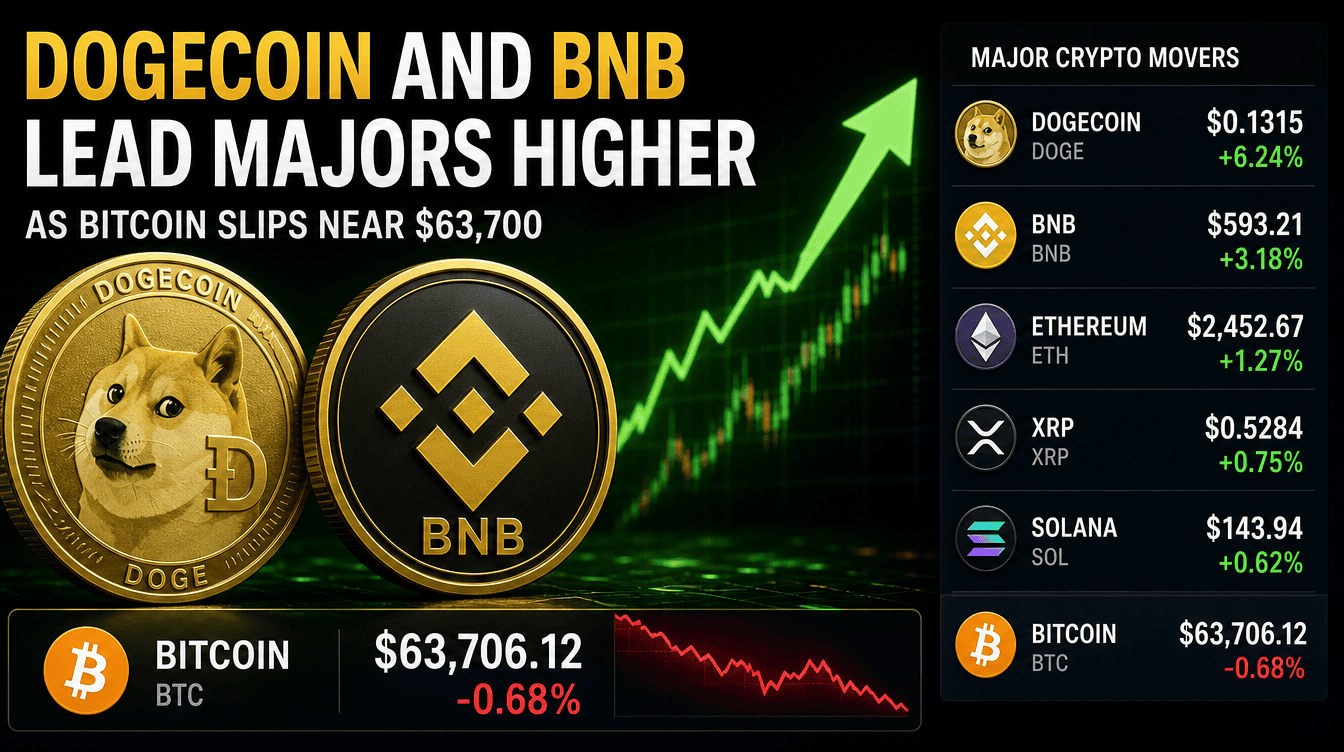
The remarks add to an ongoing debate over Bitcoin’s role in global financial markets. Supporters often describe it as “digital gold,” a hedge against inflation, currency debasement, and geopolitical instability. However, its price behavior has frequently mirrored risk assets, moving in step with broader market sentiment.
Recent market action reflects that tension. Gold has gained amid geopolitical uncertainty and renewed concerns around the U.S.-Iran situation, while Bitcoin has struggled to maintain momentum despite a weaker dollar backdrop.
Cuban’s shift highlights a broader divide in crypto markets between Bitcoin as a macro hedge and blockchain platforms like Ethereum, which are increasingly valued for their utility in payments, decentralized finance, and tokenized applications.