cpeditor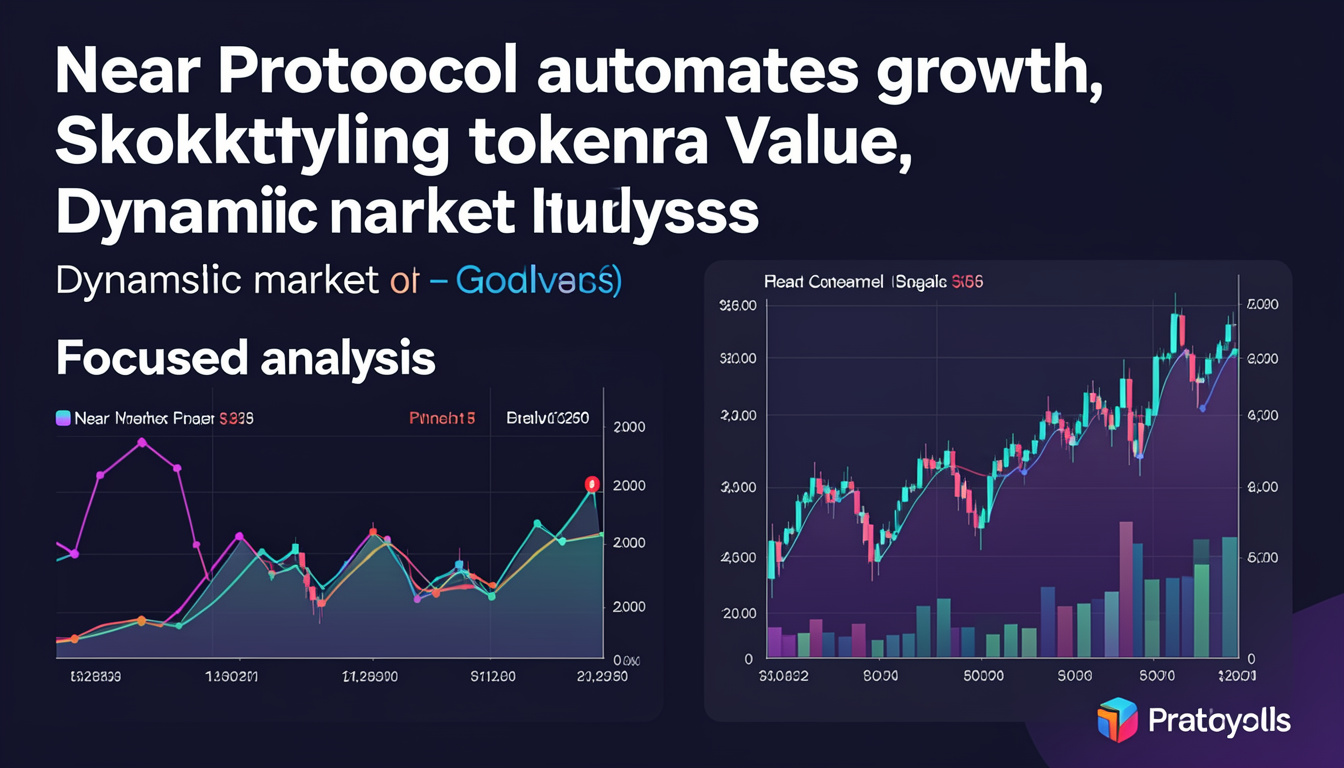
NEAR Protocol is set to deploy dynamic resharding in June, an upgrade that will allow the blockchain to automatically scale by adding new shards as demand increases, removing the need for manual coordination.
The Layer-1 network says the update is designed to enable fully autonomous scaling and strengthen its long-term goal of building a high-performance blockchain infrastructure. The announcement has been met with strong market reaction, with NEAR’s token rising more than 27% over the past 24 hours to around $2.25.
In a post on X, the protocol stated: “Dynamic resharding is coming to NEAR. The upcoming network upgrade will enable the protocol to add shards automatically as demand grows,” describing it as part of its ambition to build “the world’s most scalable blockchain protocol at the highest level of performance.”
Shards are independent segments of a blockchain that process transactions and smart contracts in parallel, similar to multiple checkout lanes in a supermarket that help handle higher traffic efficiently.
Until now, increasing shard capacity on NEAR has required a manual process involving validator coordination, governance votes, and staged upgrades that can take weeks to complete.
With dynamic resharding, that process becomes automated. When usage on a shard crosses a set threshold, the network will automatically split it and redistribute activity across additional validators, eliminating the need for human intervention.
NEAR described the upgrade as a move toward fully automated scaling, where shard splits are triggered deterministically based on network load, with validation handled through state witnesses rather than coordinated operator decisions.
The upgrade is also expected to play a key role in supporting an emerging AI-driven on-chain economy, where autonomous agents and bots generate higher volumes of blockchain activity.
Alongside scalability improvements, NEAR is also introducing post-quantum-safe signing as part of the same upgrade. The feature is intended to prepare the network for potential long-term risks from quantum computing, which researchers warn could eventually break current cryptographic systems.
These concerns stem from the possibility that sufficiently powerful quantum machines could weaken widely used encryption methods, prompting blockchain networks to adopt more resilient security standards.
By integrating quantum-resistant cryptography, NEAR aims to improve long-term security and safeguard user assets against future computational threats.
NEAR’s native token has been the strongest performer among the top 100 cryptocurrencies by market capitalization over the past 24 hours, supported by the upgrade-driven rally. In contrast, Bitcoin BTC $75,547.11 slipped 0.4% to around $77,360 over the same period.
Additional momentum has also come from institutional interest in Europe, particularly through the Bitwise NEAR Staking ETP, which recorded about $7 million in inflows this week, according to Bitwise CEO Hunter Horsley.