cpeditor
VanEck says investor focus is shifting away from AI deal headlines toward the execution risks facing bitcoin miners pursuing new growth strategies.
After spending the past two years repositioning as AI infrastructure providers, miners are now entering a critical phase: demonstrating they can deliver on those plans.
In its latest report, VanEck said markets are moving beyond the initial excitement of AI partnerships and are now assessing whether miners can fund and build the large-scale data centers required to support AI demand.
The firm estimates a near-term funding gap of roughly $50 billion across the sector, with total long-term capital needs potentially reaching $221 billion if current expansion plans continue.
“Execution, not signing, becomes the next premium,” said analyst Griffin MacMaster and Matthew Sigel, VanEck’s head of digital asset research. To date, only about 25% of the AI and high-performance computing (HPC) capacity leased by miners has been delivered, raising the risk of valuation pressure for companies that miss key milestones.
This shift comes as the mining industry undergoes a structural transformation. Following the sharp drop in profitability after the 2024 halving, many operators began redirecting power infrastructure toward AI workloads, betting on stronger demand and higher returns from technology clients.
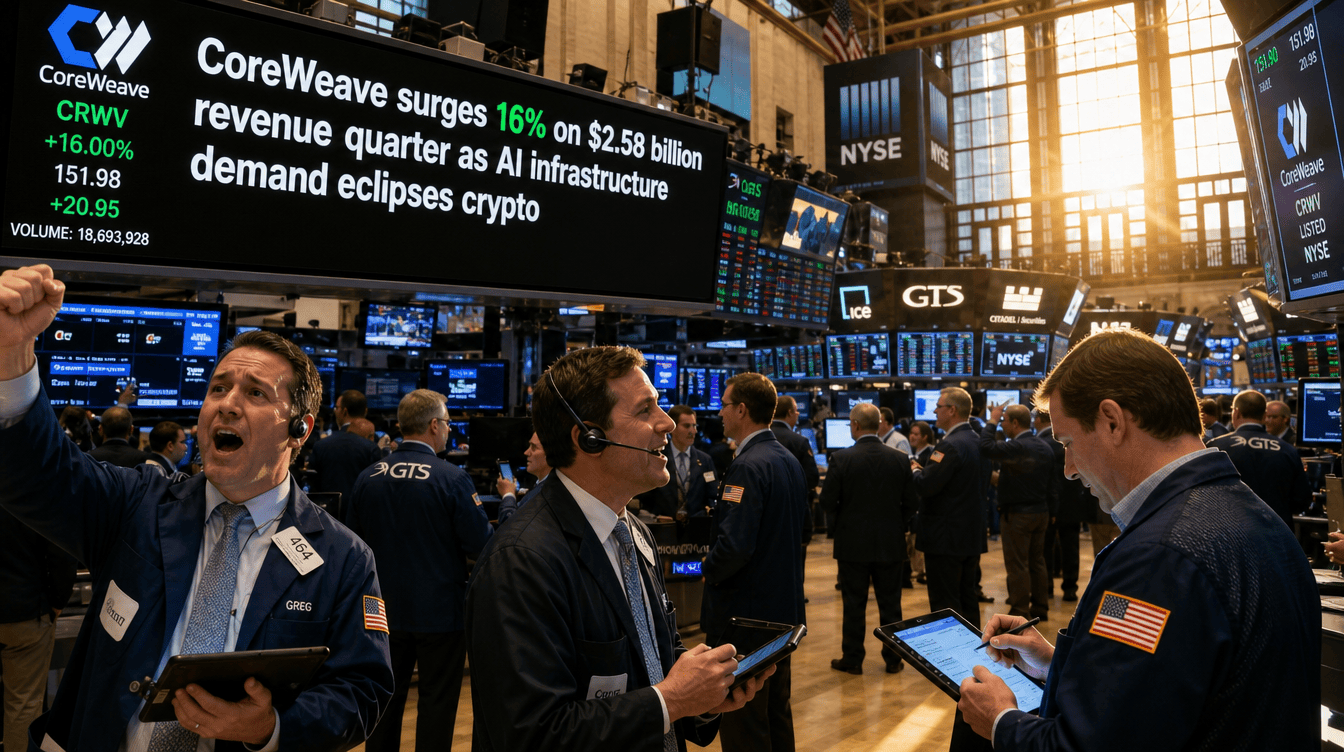
Core Scientific (CORZ) accelerated this pivot through a multibillion-dollar agreement with CoreWeave, effectively repositioning itself as an AI infrastructure provider. TeraWulf (WULF), Hut 8 (HUT), Iren (IREN), and Cipher Mining (CIFR) have also moved to lease power and data center capacity to AI and HPC customers. Meanwhile, Marathon Digital (MARA), Riot Platforms (RIOT), and CleanSpark (CLSK) are pursuing hybrid models that combine bitcoin mining with AI initiatives.
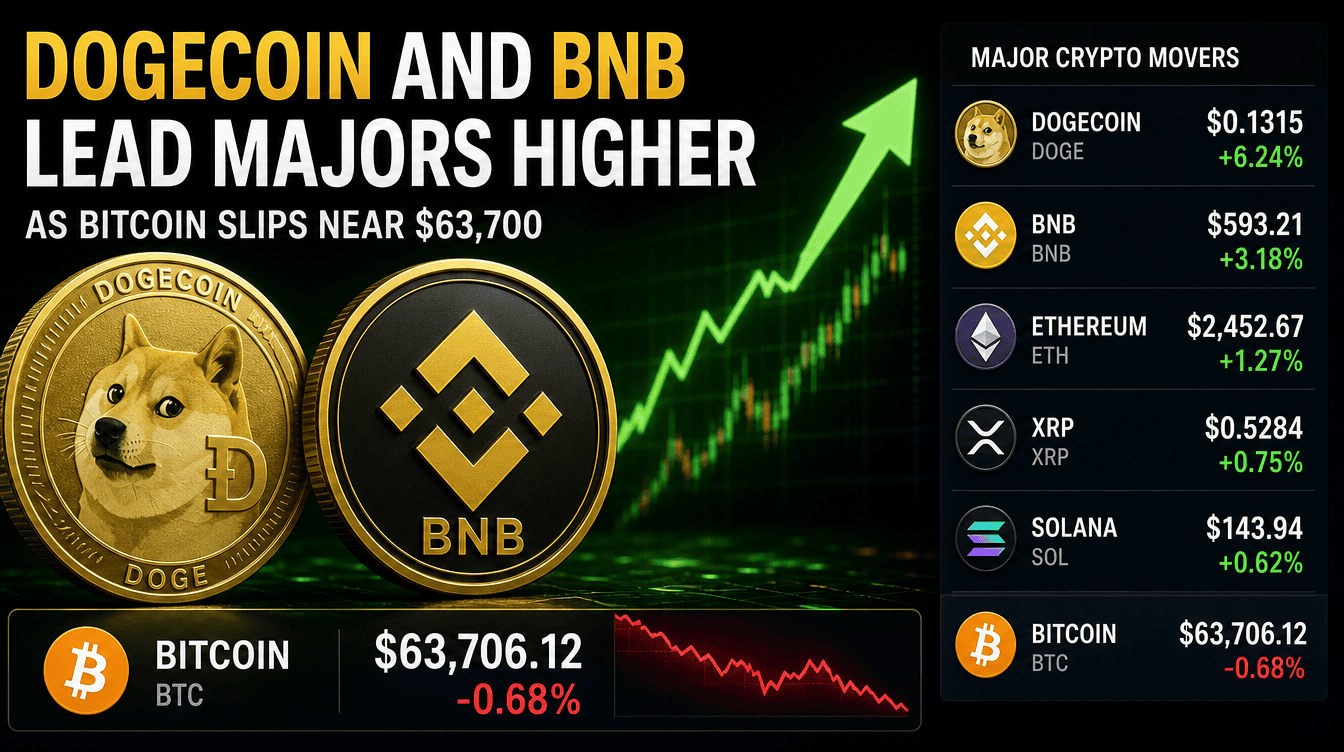
Despite bitcoin declining roughly 24% this year and broader crypto equities weakening, mining stocks have largely outperformed. Riot is up nearly 94% year-to-date, while Cipher Mining has gained about 62%, with similar strength across the sector.
The AI narrative has driven strong equity gains, with investors increasingly valuing miners based on their AI potential rather than their legacy mining businesses.
However, VanEck notes that valuation remains challenging, as companies sit between declining mining revenues and AI operations that have yet to generate meaningful cash flow.
For now, the firm highlights “energized power” — operational power capacity — as the clearest valuation benchmark. Companies with signed AI agreements trade at multiples above 10 times energized power, while those still pitching future projects command lower valuations.
VanEck also expects growing emphasis on tenant quality, noting that partnerships with investment-grade hyperscalers could result in lower financing costs and higher valuations compared to deals with smaller AI startups.
The report identifies HIVE, Bitdeer (BTDR), Keel, and IREN as potential upside candidates if they secure additional contracts, while MARA, CLSK, and RIOT remain more closely tied to bitcoin price performance.
Ultimately, VanEck sees the next phase of the industry as being defined by execution, with success depending on the ability to finance, build, and operate large-scale infrastructure on time and within budget.