cpeditor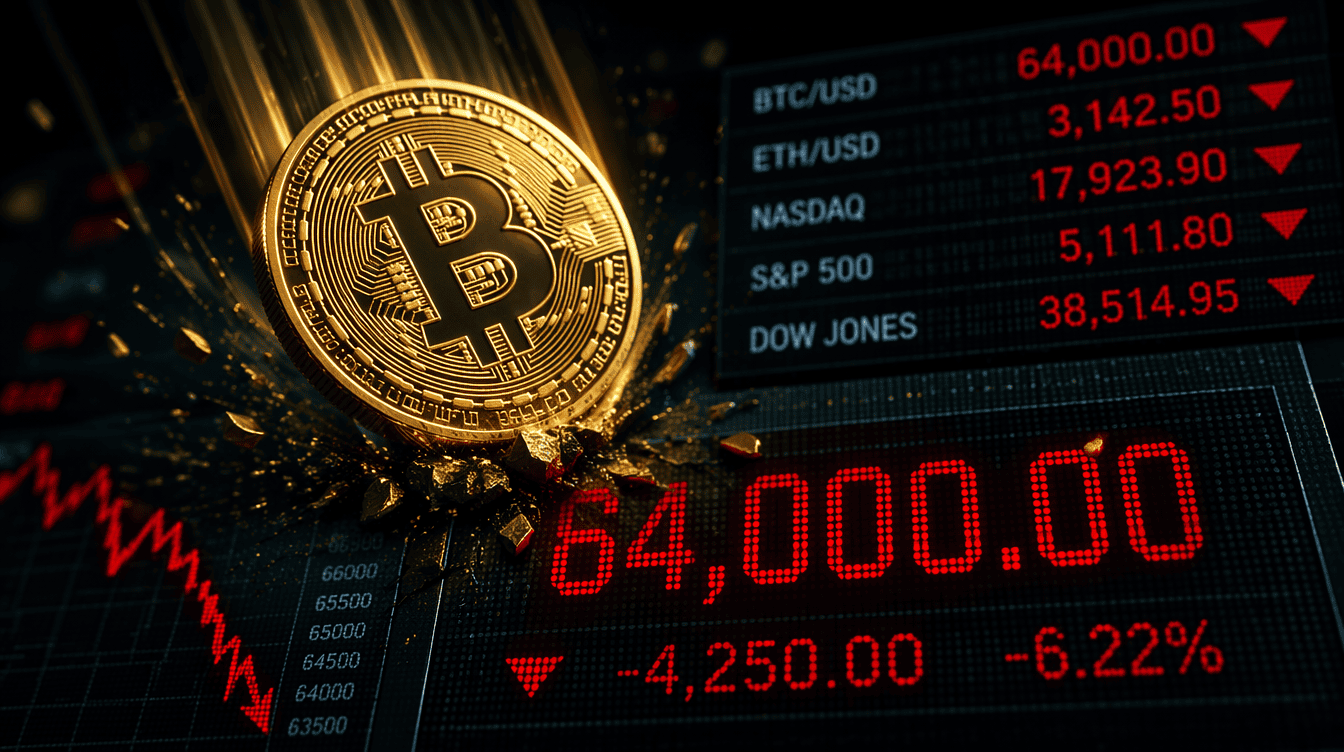
Here’s another rewritten version with a fresh structure and smoother flow:
Blockchain researcher ZachXBT raised concerns about hardware wallet security as bitcoin remained near $65,000 after South Korea’s interest-rate increase.
U.S. Economic Reports Paint a Mixed Picture
U.S. retail spending grew modestly in June, with sales increasing 0.2% in line with forecasts but slowing from May’s 1% jump.
Core retail sales, excluding vehicle purchases, declined 0.2%, slightly worse than economists’ expectations for a 0.1% decrease and a sharp reversal from the previous month’s gain.
The labor market continued to show resilience, however, as weekly jobless claims fell to 208,000, beating projections of 217,000 and improving from the prior week’s 216,000.
Manufacturing data also surprised to the upside, with the Philadelphia Fed’s July index climbing to 41.4 from 10.3 in June. Analysts had expected a much smaller increase to 13.
Despite the contrasting signals, markets remained relatively calm. Bitcoin traded around $64,100, while Nasdaq futures stayed lower by roughly 0.9%.
Crypto Market Weakens After U.S. Close
The CoinDesk 20 Index declined 1.1% from the previous U.S. market close, settling at 17,561.14.
Uniswap was among the strongest performers, rising 2%, while Stellar gained 1%. On the downside, Bitcoin Cash fell 2.9% and Aave dropped 2.2%.
Only three tokens in the index recorded gains.
Investors Await U.S. Data as Tech Stocks Slide
Nasdaq futures declined 0.6% Thursday, while bitcoin also pulled back by nearly 1%.
Asian equities faced broader weakness, with South Korea’s Kospi tumbling more than 6% and Japan’s Nikkei falling close to 2%.
The market reaction followed South Korea’s central bank increasing its benchmark rate for the first time in over three years as policymakers warned inflation pressures remain persistent.
Investors are now focused on U.S. retail sales and unemployment data for clues about whether economic growth is cooling without falling into a sharper slowdown.
Bitfinex Says Bitcoin Rally Lacks Organic Demand
Bitcoin’s move toward $65,000 has been driven largely by macroeconomic factors rather than strong cryptocurrency-specific buying, according to Bitfinex analysts.
The firm said softer June inflation data reduced expectations for a Federal Reserve rate hike in July, lowering the probability from 42% to about 12%. Falling two-year Treasury yields also supported gains across bitcoin, stocks, and other risk assets.
However, analysts noted that underlying bitcoin demand remains weak. U.S. spot bitcoin ETFs saw approximately $425 million in outflows on July 13, Strategy made no additional purchases, and the Coinbase premium remained negative.
Bitfinex characterized the rally as “borrowed strength,” suggesting that gains based mainly on macro conditions may struggle to continue without stronger spot market demand.
Bitcoin Steady After South Korea Raises Rates
Bitcoin traded near $65,000 on Thursday after the Bank of Korea lifted its benchmark interest rate by 25 basis points to 2.75%.
The central bank warned that inflation could stay elevated as rising energy costs continue to filter through the economy. South Korea’s inflation rate increased to 3.2%, the highest level since 2023.
Following the decision, the Korean won strengthened to around 1,480 per dollar from approximately 1,560 two weeks earlier. Bitcoin remained mostly unchanged against the currency, with BTC/KRW holding above KRW 94.96 million on Upbit.
South Korea continues to be one of the most active crypto markets globally, driven largely by a highly engaged retail investor base and strong speculative trading activity.
ZachXBT Challenges Hardware Wallet Security
Crypto investigator ZachXBT criticized current hardware wallet products, arguing that they are not reliable enough for managing large crypto holdings or approving sensitive transactions.
He claimed available solutions have shortcomings in both security and user experience, making them unsuitable for high-value use cases.
ZachXBT suggested using a dedicated iPhone as a transaction-signing device instead, saying a stripped-down setup could provide stronger control and reduce exposure to vulnerabilities.
He also criticized Ledger, citing frequent Ledger Live updates that often change interfaces and applications while occasionally affecting basic functionality.
The comments sparked widespread discussion across crypto communities, with users debating the security trade-offs of different wallet solutions.