cpeditor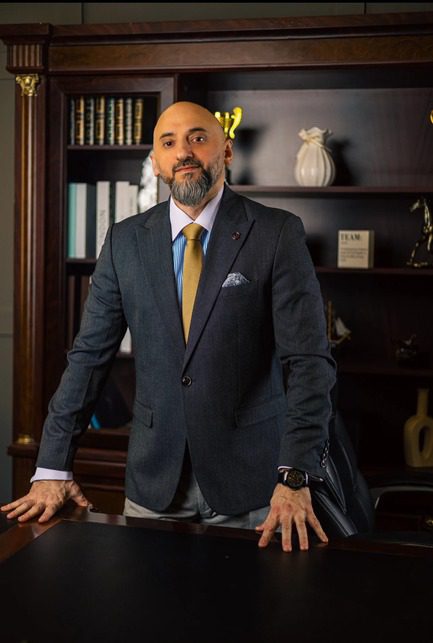
The first half of 2026 did not feel like a slowdown in the UAE. It felt like a reset. Growth remained broad, capital continued to rotate into hard assets, and Dubai once again proved that global investors are not only buying property; they are buying access to a city built around safety, speed, regulation and lifestyle.
“Dubai’s greatest advantage is visionary leadership that turns ambition into infrastructure, regulation into confidence, and innovation into economic momentum,” says Nadim Zidan. “In AI, blockchain and digital assets, Dubai is not following the future; it is building the operating system for it. With a resilient economy, second-to-none infrastructure and rules designed for responsible growth, the city has become one of the clearest examples of how leadership can transform a market into a global platform.”
Dubai Real Estate: Maturity, Not Weakness
Dubai’s real estate market generated around AED286.4 billion, or nearly $78 billion, in property sales during H1 2026, with more than 86,000 sales transactions and total real estate activity close to AED419.9 billion. That makes it the second-strongest first half on record, behind only the extraordinary H1 2025 cycle. The signal is clear: prices and volumes are normalising, but demand remains deep.
The luxury segment still delivered statement transactions. The highest reported ticket was an Aman Residences Dubai sale at AED422 million, followed by another Aman transaction above AED356 million. February also saw ultra-prime demand through The Alba Residences by Omniyat at AED225.97 million and Peninsula Dubai Residences at AED210 million. In other words, luxury capital has not disappeared; it has become more selective, more brand-driven and more focused on scarcity.
Developer performance tells the same story. By sales value, Emaar led H1 2026 with more than AED30 billion, followed by DAMAC at about AED16 billion, Binghatti and Meraas near AED8 billion each, and H&H Development around AED7 billion. By units sold, Azizi led with 6,269 units, followed by DAMAC, Emaar, Binghatti and Ellington. On new project launches, Reportage led with 14 projects, while Emaar launched 11 and Binghatti launched 9. On the delivery side, Dubai completed 20,942 units in H1, with Emaar, DAMAC, Select Group, Deyaar and Sobha Realty among the most active handover names.
The headline project moment was Emaar’s new mega-development, reported at up to AED200 billion, or approximately $54.5 billion. For a market already carrying heavy supply discussions, that number matters because it shows confidence from the developer most closely associated with Dubai’s global real estate brand.
Crypto: The Liquidity Test
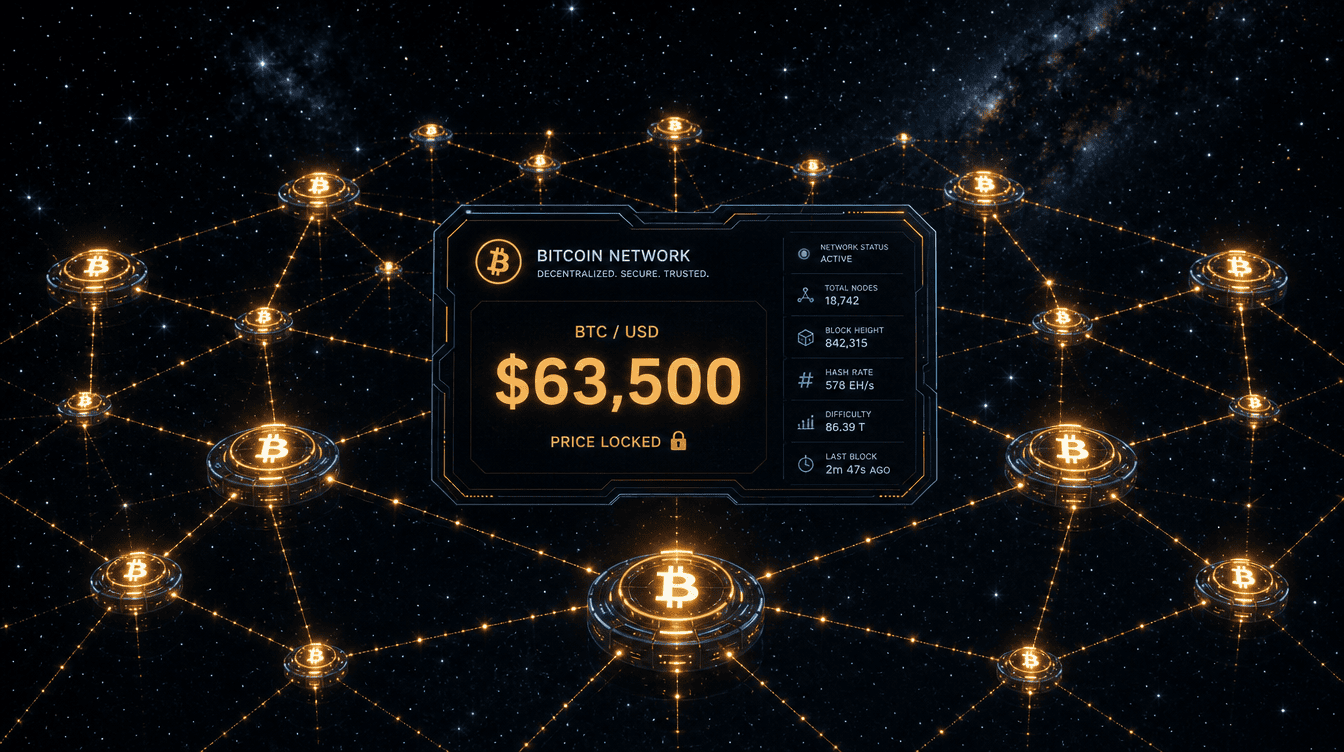
Crypto entered the same period with a different mood. Bitcoin has been fighting to stabilise around the $58,000–$62,000 zone after a sharp June correction, while altcoins have still struggled to find a broad-based bounce. This is not only a crypto problem; it is a liquidity problem. With the Federal Reserve holding rates steady and markets waiting for clearer guidance around the July decision, risk assets are being forced to respect the cost of capital.
When liquidity tightens, speculation compresses first. That is why many altcoins remain heavy even as Bitcoin tries to build a base. But the infrastructure trend is not bearish. Dubai continues to attract centralised exchanges, custodians and digital-asset companies because VARA gives the market something rare: a regulatory framework that speaks the language of institutions. Combined with millionaire migration into the UAE, crypto businesses see Dubai not only as a licensing jurisdiction, but as a capital, talent and lifestyle hub.
The Bigger Picture
The most important lesson from H1 2026 is that corrections are not always warnings; sometimes they are preparation. Dubai real estate is moving from hyper-growth to disciplined absorption. Crypto is moving from easy momentum to liquidity-driven selectivity. Both sectors are consolidating, but both still sit inside powerful long-term narratives: population growth, wealth migration, regulation, tokenisation, institutional adoption and global capital mobility.
“We may be in a correction and consolidation phase before the next rally higher. The winners will be the investors who separate noise from structure, follow liquidity closely, and understand why Dubai remains one of the few cities where real assets and digital assets are scaling side by side.” says Nadim Zidan.
NFA DYOR.
Stats: Dubai Land Department/W Capital via Arabian Business, DXBinteract via Masdarak, Emaar Properties/Gulf News, Henley & Partners Private Wealth Migration Report 2026, VARA-related market coverage, and July 2026 crypto/Fed market updates.