cpeditor
Derivatives data indicates subdued activity in bitcoin and ether, while select altcoins are seeing stronger trader positioning and increased speculative interest.
Bitcoin (BTC) remained largely stable, edging up 0.16% since midnight UTC and trading near the $64,000 level. The muted performance came despite global equities reaching fresh highs, supported by optimism around artificial intelligence growth and expectations of progress toward reopening the Strait of Hormuz, which helped push crude oil prices lower.
The MSCI All Country World Index gained 0.4%, moving closer to another record close. Its Asia-Pacific benchmark jumped 2.2%, while Australian stocks also reached new highs after the S&P 500 and Dow Jones Industrial Average ended Tuesday at record levels.
The broader CoinDesk 20 (CD20) index showed little change, with 11 of its components posting gains and nine declining.
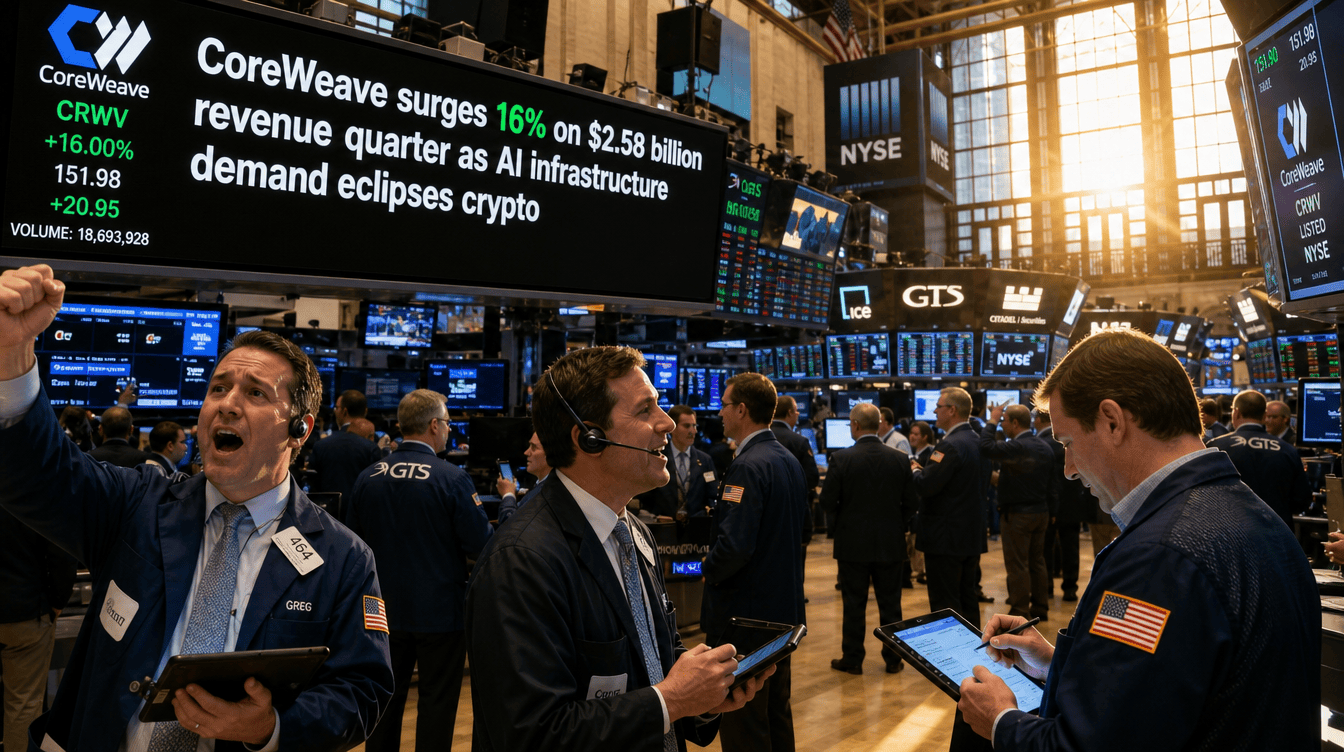
The divergence between crypto and traditional markets points to continued weakness within digital assets. U.S. spot bitcoin ETFs saw $5.4 billion in net outflows during the first half of the year as investors shifted capital toward artificial intelligence-related investments.
DWF Labs said in a report that both institutional and retail interest in crypto investments has declined as AI has attracted a disproportionate share of investor focus and capital. The firm noted that crypto, along with several other sectors, has struggled to compete with AI-related assets over the past year.
Traders are now awaiting upcoming U.S. economic releases, including employment figures and the ISM services PMI, which could provide fresh market direction.
Circle Internet (CRCL), the company behind USDC, reported a 7% increase in second-quarter revenue compared with the same period last year. However, its $701 million revenue result came in below expectations, Bloomberg reported.
Galaxy Digital (GLXY) was also scheduled to report earnings, while Riot Platforms (RIOT) delayed its financial results without providing further details.
Futures and Derivatives Positioning
Bearish bias remains in crypto futures:
Market positioning continues to favor short sellers slightly, with shorts accounting for 51% of taker volume. While bears remain in control, the gap has narrowed from the recent 52/48 split.
PUMP drives altcoin momentum:
PUMP emerged as the strongest-performing token among the top 100 cryptocurrencies over the past 24 hours, gaining 115%. The rally pushed futures open interest 9% higher to 84.76 billion tokens. However, overall participation remains within levels seen previously rather than representing an unusual surge.
Open interest shifts across markets:
XLM, ZEC, and BNB recorded increases in open interest, suggesting traders are adding exposure. Meanwhile, SHIB, HBAR, and LTC experienced declines, which may indicate capital leaving those assets. Bitcoin and ether futures markets remained relatively inactive.
Aggressive buying appears in bitcoin and ZEC:
Bitcoin and ZEC recorded positive open-interest-adjusted cumulative volume delta, indicating stronger buying activity compared with other major assets. The data suggests traders are using market orders to enter long positions rather than waiting for favorable prices through limit orders. XLM and DOGE showed weaker buying momentum.
XLM reflects rising bearish sentiment:
XLM posted a sharply negative annualized perpetual funding rate of -23%, meaning perpetual contracts are trading below spot prices. This points to increased bearish positioning among derivatives traders.
Volatility remains compressed:
Bitcoin’s 30-day implied volatility index remains near 36% after recently falling to historically low levels. Despite expectations for a recovery, volatility has stayed subdued. Ether’s volatility index, EVIV, is following a similar pattern.
Options market shows mixed signals:
Bitcoin and ether options activity on Deribit continues to favor call options, which provide upside exposure and generally reflect bullish expectations. However, OTC desk Paradigm reported bearish ether risk reversals, indicating some traders are preparing for potential downside risks.
Stablecoin Liquidity Update
Tether’s USDT market capitalization has declined by $4 billion over the past 60 days, marking one of its largest contractions on record, according to CryptoQuant.
USDT supply typically expands when new money enters the crypto market, as investors convert dollars into stablecoins before purchasing digital assets. A decline in supply suggests that liquidity is leaving the market.
CryptoQuant described the current contraction as a possible sign of market exhaustion, noting that major USDT declines have historically appeared closer to the end of selling cycles rather than the start of new downturns.
However, the signal remains mixed. Previous periods of similar USDT contractions, including early 2023 and mid-2026, were followed by bitcoin recoveries. At the same time, falling USDT supply while bitcoin has traded sideways since May suggests weaker demand conditions.
A clearer market bottom signal would require USDT supply to begin recovering. Until then, continued declines indicate that capital is still flowing out of the crypto ecosystem.
Market participants should monitor the direction of USDT supply changes rather than its total market capitalization. A move back toward zero in the 60-day change would suggest renewed liquidity entering crypto markets, while further declines would indicate continued outflows.