cpeditor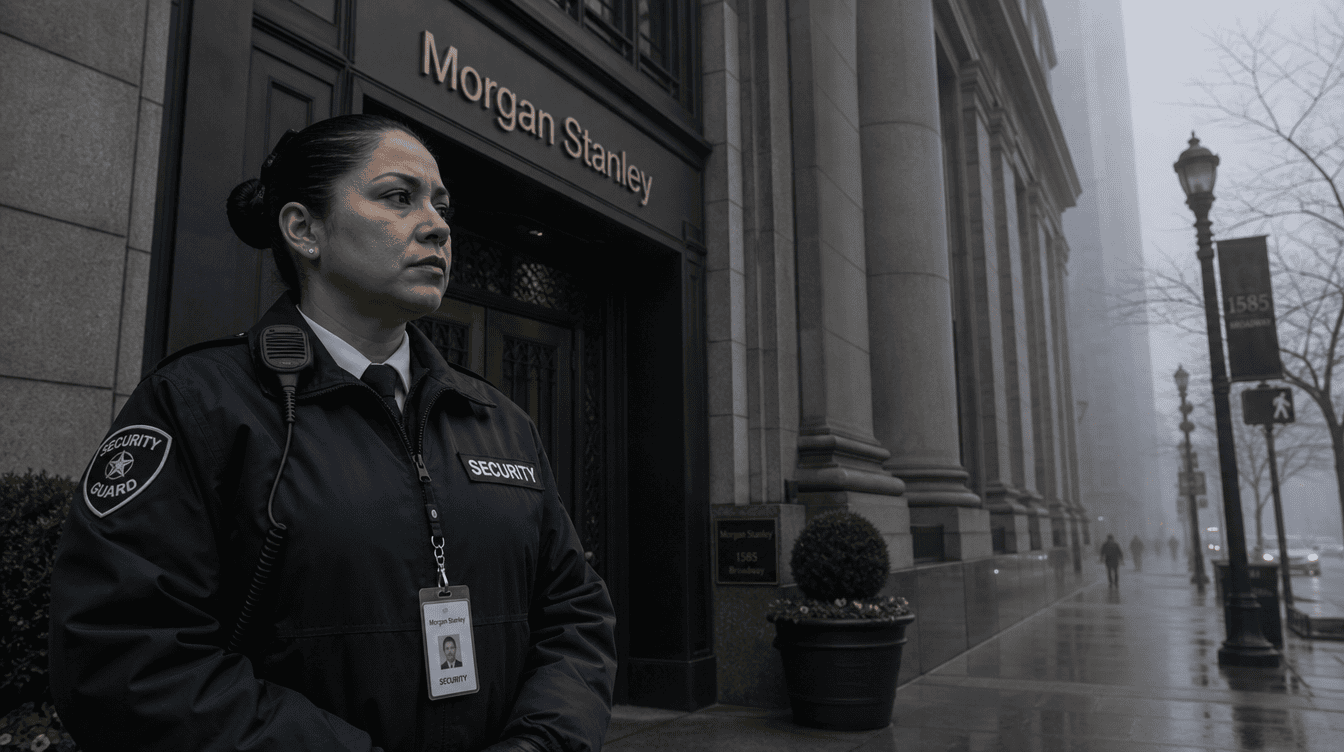
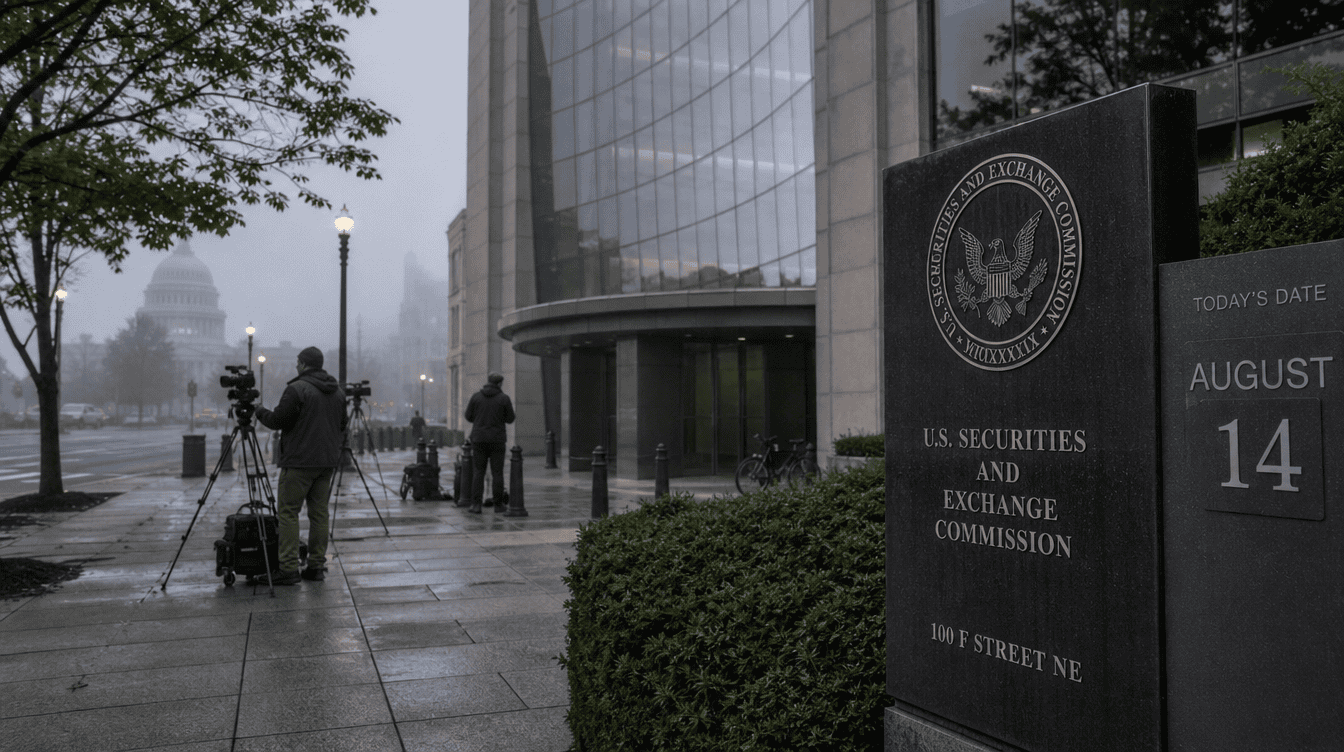
Zerohash, the crypto infrastructure company that provides services to major financial firms such as Morgan Stanley’s E*Trade, is preparing to resubmit its application for a U.S. national trust bank charter after the Office of the Comptroller of the Currency returned its initial filing.
The OCC returned Zerohash’s application last month, leaving the Chicago-based company outside the growing group of firms that have recently secured provisional trust-bank approvals for digital-asset operations.
The filing was not formally rejected. Instead, the OCC returned it under a process used when an application is considered materially deficient. Zerohash said the action was administrative and coordinated with the regulator, allowing the company to file again this month.
The company emphasized that the return was not a substantive ruling on its application and does not affect its existing business, which continues under its current regulatory permissions.
Zerohash had recently listed vacancies for roles including national trust officer and chief operating officer at a planned entity called “Zerohash National Trust Bank.” The company described the charter as pending in those listings, while Co-President Stephen Gardner’s LinkedIn profile lists him as CEO of the proposed institution.
The company indicated that its first application may have been too ambitious in scope. The proposal covered a broad selection of digital-asset and fiduciary services, while the new filing will follow a more phased strategy.
Under the revised approach, Zerohash plans to initially seek authorization for a narrower set of national trust activities that match its intended business rollout. The company said it is looking for a swift review once the application is resubmitted.
OCC Returns Zerohash Charter Filing
Zerohash originally submitted its federal trust-bank application in March during a surge of crypto firms seeking OCC approval. Interest in regulated crypto banking increased further following the introduction of a federal framework for stablecoin issuers under the Guiding and Establishing National Innovation for U.S. Stablecoins Act.
OCC records show that the regulator returned Zerohash’s filing on July 17, but they do not identify the reason for the action.
Unlike a formal denial, a returned application does not necessarily come with a detailed public explanation. Zerohash also did not withdraw the filing voluntarily and did not publicly disclose the return when it occurred.
The OCC did not immediately provide a comment, while Morgan Stanley declined to discuss the matter.
The regulator recently outlined circumstances in which it may return an application. These can include missing information about an applicant’s financial position or management, as well as insufficient responses to additional information requests made during the review.
Crypto Trust Bank Push Draws Criticism
The Independent Community Bankers of America submitted an objection to Zerohash’s application in April, arguing that the rapid pace of crypto-related trust-bank applications and conditional approvals could hinder careful and transparent policymaking.
The group highlighted applications or approvals involving Circle, Ripple, Paxos, BitGo, Fidelity Digital Assets, Crypto.com, Payoneer and Zerohash.
Zerohash was also reportedly exploring additional funding earlier this year at a valuation potentially exceeding $1.5 billion. At that point, its OCC application was still under consideration.
The company has built crypto infrastructure for businesses such as BlackRock, Franklin Templeton, Stripe, Interactive Brokers and DraftKings. Zerohash already operates as a state-chartered trust bank, and a person familiar with its operations said its work with E*Trade does not depend on receiving a federal charter.
Former Compliance Chief Raises Allegations
Separately, Zerohash is dealing with a lawsuit brought by former Chief Compliance Officer Edgar Guerra, who alleges he was terminated after identifying compliance concerns.
Guerra, a former Federal Reserve regulator, claims he and his team uncovered more than 200 significant compliance deficiencies, including problems with anti-money-laundering controls. He also alleged that some previously identified weaknesses had not been adequately corrected.
It remains uncertain whether OCC officials knew about the allegations or whether they had any bearing on the returned application. The legal dispute remains active, while Zerohash’s attempt to send the case to arbitration has faced an initial setback.
Zerohash declined to comment on the lawsuit, and Guerra’s attorney did not immediately respond to requests for comment.
In a 2022 interview, Guerra said Zerohash had employed roughly 20 compliance professionals within a workforce of about 150 employees. He described the company’s leadership as strongly committed to treating compliance as a competitive advantage.