cpeditor
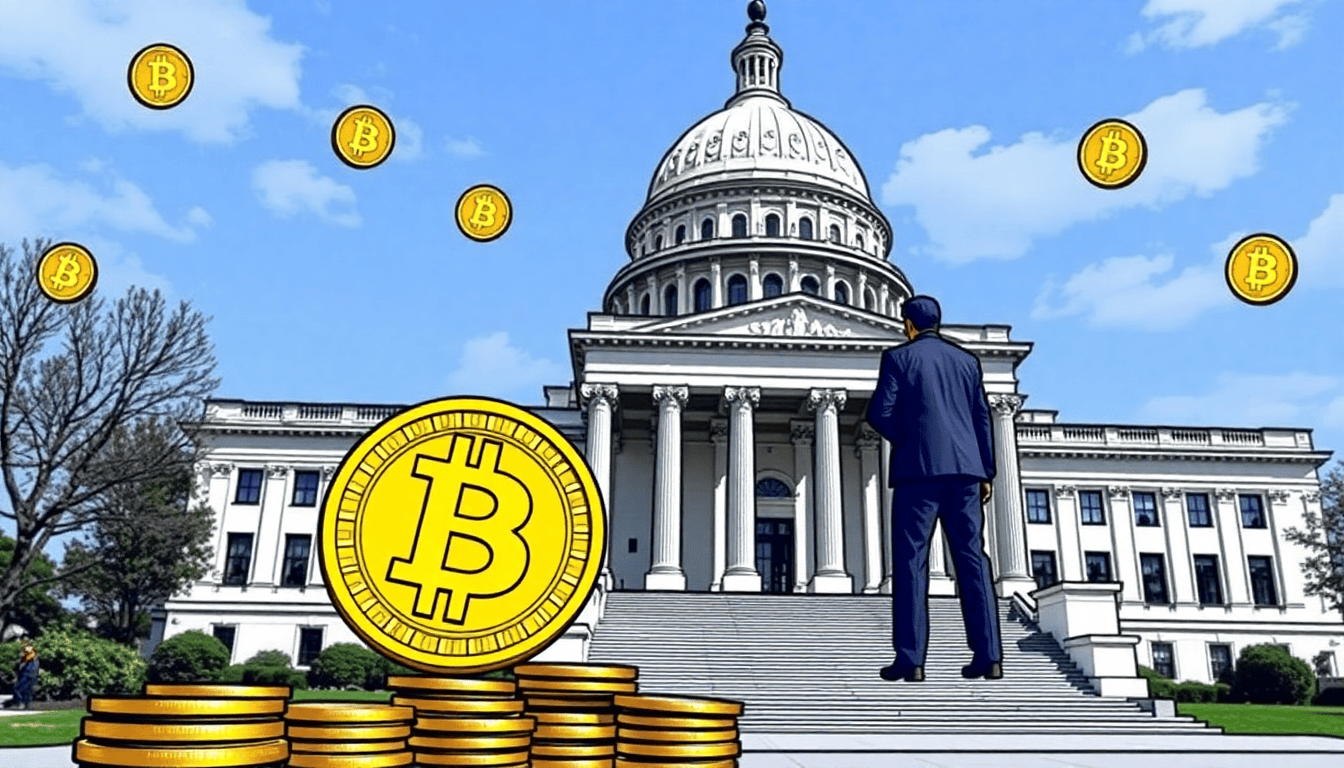
The Digital Asset Market Clarity Act failed to move forward in the U.S. Senate on Tuesday after a procedural vote fell short of the support required to continue the legislative process.
The measure received 49 votes in favor and 50 against, well below the 60 votes needed to advance. The outcome puts the latest attempt to establish a federal framework for the U.S. cryptocurrency market on hold after years of congressional negotiations and industry lobbying.
Crypto companies, advocacy organizations, lobbyists and political action committees have spent hundreds of millions of dollars pushing for market structure legislation. Although the Senate vote represented the furthest the effort has reached, the result creates another obstacle for the industry’s broader legislative campaign.
More Than 600 Pages of Negotiations
The bill’s future remains uncertain, with lawmakers potentially needing to restart negotiations unless a way emerges to revive the legislation during the final weeks of the current congressional session after the November midterm elections.
The legislation failed to attract even a simple majority, with several Republicans voting against it. That makes a quick return to the Senate particularly difficult.
Negotiators from both parties had worked through more than 600 pages of compromise language. The remaining disagreements included provisions dealing with government ethics, including restrictions intended to prevent senior officials from maintaining business relationships with crypto companies.
The approach toward the elections also complicated the negotiations, as political considerations became increasingly prominent while lawmakers attempted to resolve the final provisions.
Senator Cynthia Lummis, the lead Republican negotiator, made a final appeal before the vote. She urged senators to approve the legislation and argued that the United States should take a leading role in the digital economy.
The Senate ultimately did not reach the 60-vote threshold.
Regulators Continue Their Own Crypto Agenda
With the congressional effort stalled, attention now turns toward initiatives already being developed by the SEC and CFTC.
The two regulators are pursuing measures intended to provide greater clarity for digital asset companies and market participants. Industry groups have argued that clearer rules could encourage businesses and investors that have remained cautious about operating in the United States.
The SEC recently proposed Regulation Crypto Assets, or Reg Crypto. The proposal would establish a framework intended to allow crypto projects to raise capital and begin operations without immediately encountering some of the regulatory requirements that have affected the sector.
The agency is also preparing to approve a limited form of securities tokenization. If adopted, the approach could eventually change how securities transactions are carried out in the U.S.
However, SEC Chairman Paul Atkins has said regulatory measures and exemptions from registration requirements will not be permanent substitutes for legislation.
The agency has relied heavily on guidance for portions of its crypto policy, and such guidance can be reversed relatively easily. Formal rules can also be modified or eliminated through the regulatory process.
Industry Groups Turn to the Next Election
The Senate vote also leaves crypto-focused political organizations weighing their response to lawmakers who opposed the legislation.
Fairshake, a major industry super PAC, had not finalized its strategy for senators who voted against the bill, according to a person familiar with its planning. The group faces a decision ahead of the Nov. 3 election, which will determine the composition of the next Congress.
Other crypto-focused PACs are expected to continue supporting candidates who favor digital asset legislation in an effort to expand congressional support for future market structure proposals.
At its core, the Clarity Act seeks to establish clearer classifications for cryptocurrencies and blockchain projects and assign specific responsibilities to federal regulators. The legislation would also expand the CFTC’s authority over crypto spot markets.
GENIUS Act Provides a Recent Precedent
The latest setback comes after the industry secured a major legislative victory in 2025 with the Guiding and Establishing National Innovation for U.S. Stablecoins, or GENIUS Act.
The stablecoin legislation passed with broad bipartisan support and became law. It followed the failures and high-profile scandals that affected the crypto sector in 2022, marking a significant legislative development for the industry within three years.
Regulators are now implementing the law’s framework for stablecoin issuers.
The current Congress is scheduled to conclude at the end of the year, with a new Congress beginning in January.
A Democratic majority in either chamber would require future crypto legislation to gain Democratic support. The House is viewed as a key part of that political equation, while a Democratic Senate majority could place Senator Elizabeth Warren at the head of the Senate Banking Committee.
If Representative Maxine Waters returns to lead the House Financial Services Committee, crypto market structure is not expected to be one of her main priorities.
The failed Senate vote therefore leaves the Clarity Act without an immediate path forward and shifts the next stage of the U.S. crypto regulatory debate toward federal agencies, the November elections and the composition of the next Congress.