cpeditor
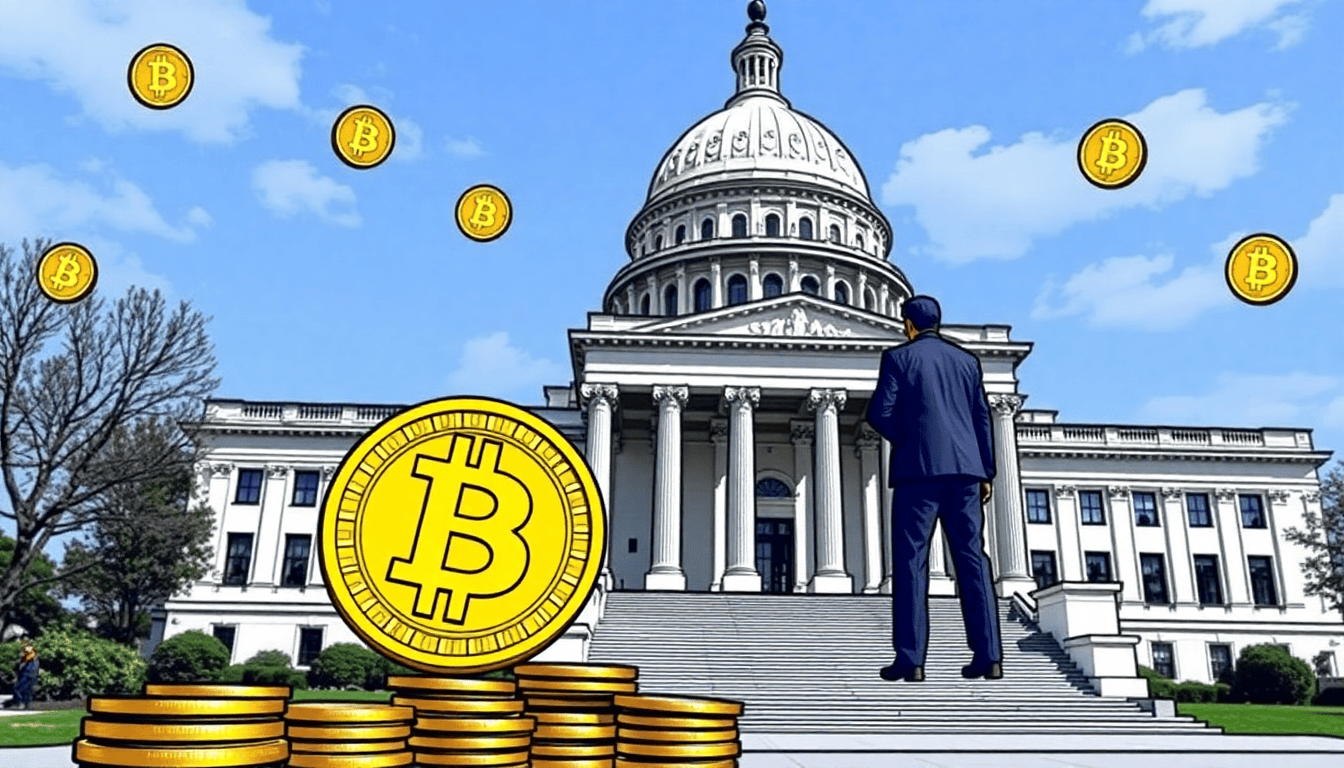
XRP suffered the sharpest decline among major cryptocurrencies on Wednesday, dropping nearly 10% after the U.S. Senate failed to move the Clarity Act forward. Bitcoin also weakened, slipping toward the $76,000 level as selling spread across the broader market.
According to CoinDesk data, XRP traded around $1.30 during Asian morning hours, down almost 10%. Ether fell nearly 5% to about $2,410, while Solana declined 5% to just above $97. Dogecoin also lost close to 5%.
Zcash and Hyperliquid’s HYPE were each down roughly 4%. Bitcoin declined nearly 3% to slightly above $76,000, while BNB and Tron posted losses of around 1% apiece.
Senate Vote Stops Bill From Advancing
The Clarity Act failed to pass a procedural cloture vote by 49-50. The motion required 60 senators to support it before the legislation could move forward to debate. Several Republicans voted against the measure.
The proposed market structure framework followed negotiations covering more than 600 pages of legislative text. Ethics rules emerged as one of the final sticking points, with provisions designed to prevent senior government officials from maintaining crypto-related business interests.
Sen. Elissa Slotkin, D-Mich., said she voted against the bill because its ethics provisions did not go far enough. She cited President Donald Trump, his children and members of his Cabinet in raising concerns about financial interests in crypto.
Slotkin also argued that the Commodity Futures Trading Commission does not have enough staff to enforce the proposed framework. She further raised concerns about provisions addressing money laundering and terrorist financing.
Crypto Equities Take a Bigger Hit
Digital-asset companies listed on U.S. exchanges recorded larger losses than many of the major tokens.
Coinbase declined nearly 9% to $174.42, while Circle dropped more than 9% to $88.26. Galaxy Digital fell 8%, and Gemini lost 7%.
Bullish and Riot Platforms each declined 5%. eToro was down 4%, while Robinhood, MARA Holdings, CleanSpark, IREN and Core Scientific fell between 3% and 4%.
Regulators Become the Main Focus
With Congress unable to advance the bill, attention is shifting toward the regulatory agencies that can act under existing authority.
The Securities and Exchange Commission is developing its proposed Reg Crypto framework and preparing rules for tokenized securities. Those efforts now provide a separate avenue for addressing some of the regulatory uncertainty that the legislation was intended to resolve.
Crypto-focused political action committees, including Fairshake, also face decisions over how to respond to senators who voted against the bill before the Nov. 3 election. The next Congress is scheduled to begin in January 2027.
Fed Decision Adds Another Catalyst
The Federal Reserve is scheduled to announce its interest-rate decision later Wednesday. Traders are currently leaning toward a 25-basis-point rate increase.
The decision comes as the crypto market absorbs the Senate’s failed vote, leaving investors to weigh both the setback for digital-asset legislation and the Fed’s next move on monetary policy.