cpeditor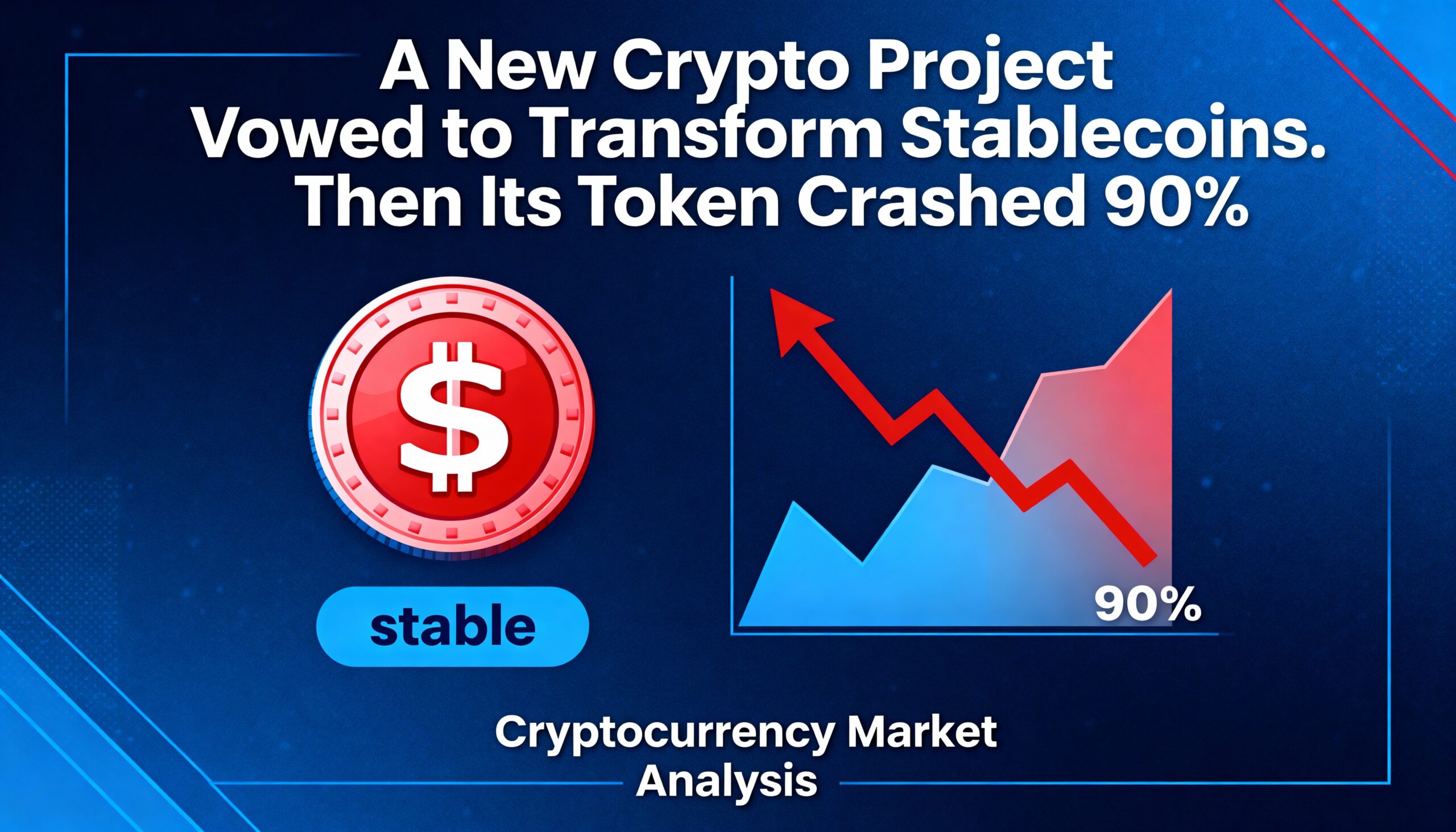
Plasma’s Stablecoin Dream Falters as XPL Slides Nearly 90%
Plasma’s ambitious entry into the stablecoin infrastructure market is losing steam fast. Its native token, XPL, now trades nearly 90% below its initial high, weighed down by thin usage, supply overhang, and sparse communication from the team — leaving investors unsure whether the downturn has finally run its course.
When Plasma, a Layer 1 blockchain built for stablecoins, launched its mainnet in late September, it did so amid a surge of optimism. The project’s token sale drew roughly $500 million — 10 times the intended raise — and positioned XPL as the latest contender in one of crypto’s hottest themes of 2025: stablecoin infrastructure.
The pitch hit all the industry’s favorite talking points: high throughput, instant payments, seamless scalability. Plasma boasted integrations with Binance Earn and Chainlink Scale, plus partnerships with firms like Elliptic. On paper, it looked ready to reshape the stablecoin landscape. Instead, it has delivered one of the most striking token drop-offs of the cycle.
XPL peaked at around $1.67 on Sept. 27, giving the project a valuation above $2 billion, according to CoinMarketCap. By late October, the token had crashed over 80%, falling to roughly $0.31. The decline continued through November, with XPL now trading in the $0.18–$0.20 range — an 88–90% drawdown from its early high.
With the token stabilizing but still languishing, investors are left asking: Has XPL formed a bottom, or is more pain ahead?
The hype surrounding Plasma was partly fueled by the speed of its development. The Milan-based team built the chain from concept to production in under a year — a pace even the company admitted involved trade-offs in long-term scalability and maintainability.
Still, the narrative resonated: a purpose-built settlement chain for stablecoins, zero-fee USDT transfers, and a payments stack offering users a banking-style experience with self-custody. That vision helped drive the oversubscribed token sale and early speculative activity — but the momentum quickly evaporated.
Crypto traders are notoriously fickle, rotating between narratives in search of higher returns. Without on-chain catalysts or growing usage, attention moved elsewhere, deepening XPL’s decline.
Current network activity underscores that loss of traction. Over the past 10 minutes, Plasma has averaged just 3.6 transactions per second — far below the 1,000 TPS “potential” once touted, and a reminder that promised throughput means little without actual adoption.
Concerns around token supply also contributed to selling pressure. Plasma launched with 1.8 billion tokens in circulation — about 18% of its 10-billion total supply — with significant allocations reserved for the team, investors, and ecosystem incentives. Traders worried that future unlocks could further dilute the market.
Taken together — thin usage, inflated expectations, and heavy token supply — XPL was highly exposed to a sharp repricing once early hype faded. That appears to be exactly what happened. With short-term traders gone, only committed long-term holders remain, leaving XPL in a vulnerable position.
A Bleeding Chart, and a November Update That Didn’t Help
Earlier this month, Plasma released a detailed November progress report summarizing seven weeks of engineering and operational work. But while the update signaled ongoing development, it offered no meaningful catalysts to revive the token.
The team’s work included a codebase refactor, expanded testing, and a rebuild of its peer discovery layer. Yet the spotlight was on “Plasma One,” the wallet and payments platform intended to become the project’s core use case.
Plasma One is positioned as a neobank-like wallet offering stablecoin-based yield and seamless user payments — a product the team believes will differentiate Plasma. But despite the update, on-chain activity has remained stagnant. For now, investors have only the promise of utility, not the utility itself.
Silence From the Team Raises New Questions
One of the most persistent complaints from the community is the team’s limited communication. Plasma’s public presence resembles that of a traditional financial institution — infrequent, formal, and structured — rather than that of a typical crypto project that engages continuously with retail users.
Crypto trades 24/7, and extended silence can trigger anxiety and sell-offs. Plasma’s approach has only heightened uncertainty.
CoinDesk attempted to schedule interviews to clarify the project’s direction. After almost two weeks of coordination through an external spokesperson, the team agreed to a video interview — then abruptly canceled the day before, offering no reason and suggesting a written Q&A instead.
When CoinDesk submitted questions, the spokesperson later said Plasma was “not in a position to comment at the moment,” and would respond “if and when that changes.”
Repeated inquiries eventually yielded a brief comment: the team will share updates and engage with media “when we have significant product developments to share and progress made toward that vision.”
For now, what’s happening behind the scenes at Plasma remains opaque — and that uncertainty continues to cast a long shadow over XPL.