cpeditor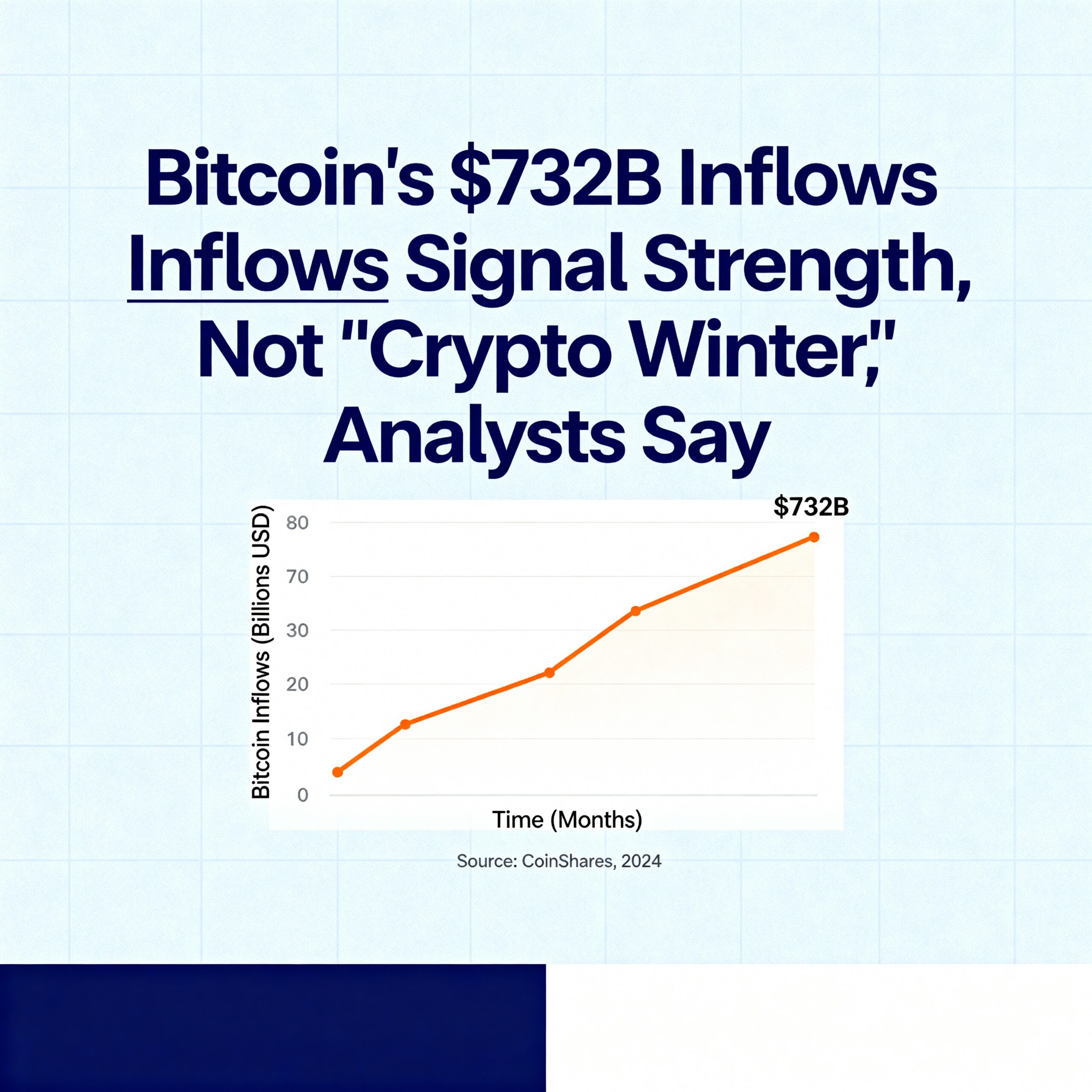
Bitcoin Pullback Signals Mid-Cycle Reset, Not ‘Crypto Winter,’ According to Glassnode and Fasanara
A new year-end report from Glassnode and Fasanara Digital suggests that recent declines in Bitcoin are part of a typical mid-cycle correction rather than the start of a prolonged crypto downturn. Record inflows, rising realized capitalization, and falling volatility point to market consolidation rather than a “crypto winter.”
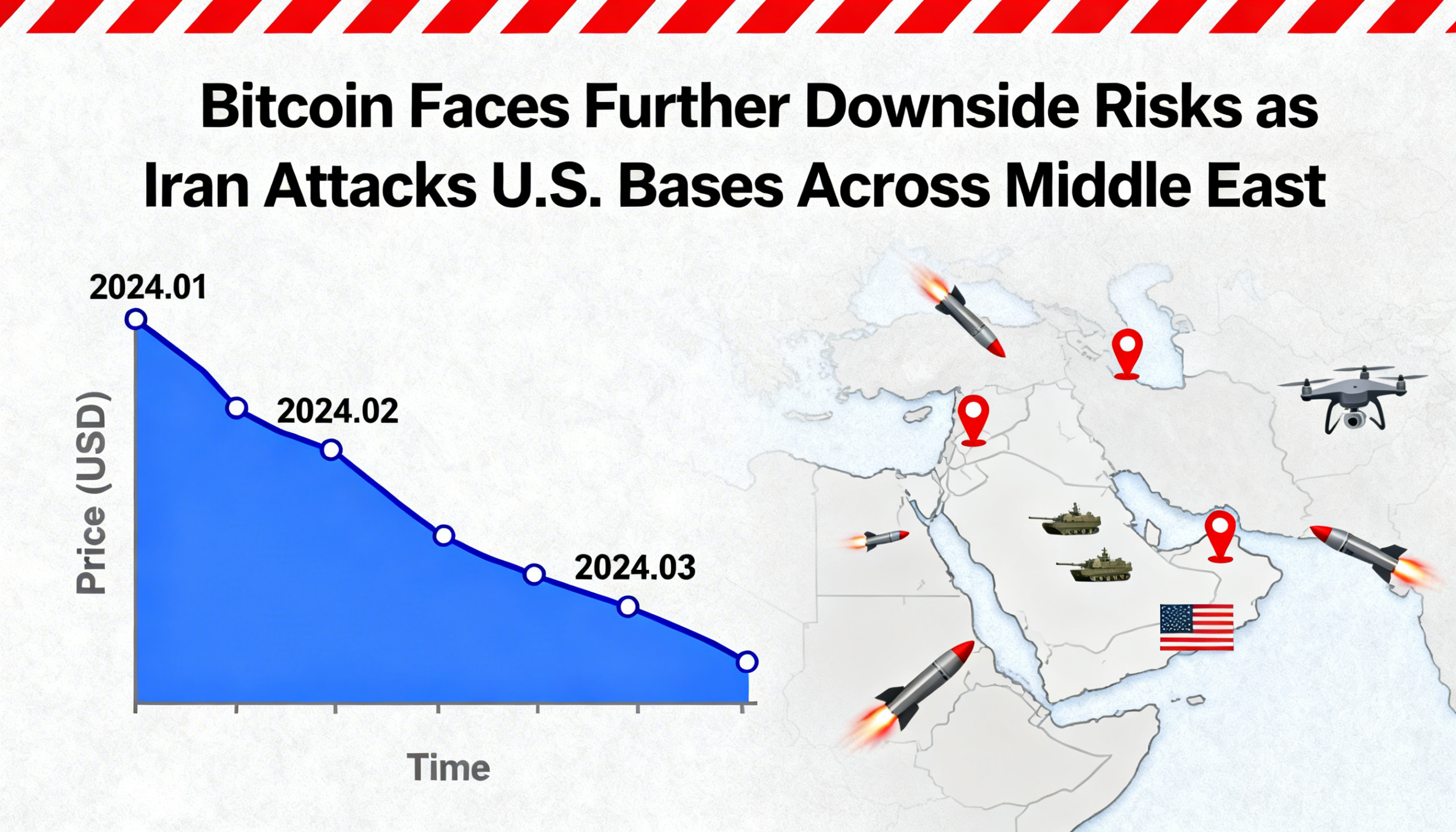
Bitcoin has dropped roughly 18% over the past three months, reigniting speculation about an impending market downturn. The selloff has hit some crypto equities particularly hard, including American Bitcoin Corp., which plunged about 40% on Tuesday amid heavy trading volume. This weakness briefly affected Hut 8, the majority stakeholder in the company, while other Trump-linked digital assets also fell sharply, fueling broader concerns about sector-wide distress.
However, market structure data tells a different story. According to Glassnode and Fasanara, Bitcoin has attracted more than $732 billion in net new capital since the 2022 cycle low—more than all previous cycles combined. The influx has pushed realized capitalization to roughly $1.1 trillion, while the spot price surged from $16,000 to nearly $126,000 at its peak. Realized cap, a measure of actual invested capital, typically contracts sharply during true market winters—but that is not occurring.
Volatility trends reinforce this picture. BTC’s one-year realized volatility has fallen from 84% to about 43%, reflecting deeper liquidity, growing ETF participation, and the rising use of cash-margined derivatives. Historically, winters begin with rising volatility and evaporating liquidity, the opposite of current conditions. Innovations such as call overwriting strategies in BTC and IBIT options have further dampened volatility, changing the dynamics that previously linked spot prices and volatility.
ETFs also tell a bullish story. Spot ETFs currently hold approximately 1.36 million BTC, around 6.9% of the circulating supply, and have contributed about 5.2% of net inflows since their launch. During real winters, ETF flows turn sharply negative, particularly when long-term holders reduce exposure—a trend not seen today.
Miner performance diverges from typical winter patterns as well. The CoinShares Bitcoin Mining ETF (WGMI) has gained over 35% in the same three-month period in which BTC declined. In previous downturns, miners were among the first to falter as hashprice weakened. The current divergence indicates that miner weakness is not systemic, and company-specific selloffs, such as American Bitcoin’s, do not reflect the broader sector.
Historical precedent supports the mid-cycle correction narrative. Similar pullbacks occurred in 2017, 2020, and 2023 during periods of leverage reduction or macroeconomic tightening before Bitcoin resumed its upward trend. The October 2025 deleveraging event cited by Glassnode and Fasanara mirrors this pattern, with open interest falling sharply while spot liquidity absorbed billions in forced selling—a typical reset rather than a cycle-ending event.
Additionally, Bitcoin remains closer to its yearly high near $124,000 than its yearly low around $76,000. In past winters, markets gravitated toward the bottom of their ranges, with realized losses accumulating and long-term holders adjusting behavior. The current setup does not reflect these conditions.
While short-term volatility in individual equities may generate dramatic headlines, structural indicators tell a different story. Glassnode highlights that record realized cap, declining volatility, and steady ETF demand point to consolidation following a historic inflow cycle.
In summary, according to Glassnode and Fasanara, current market dynamics are consistent with a mid-cycle reset rather than the onset of a “crypto winter.”