cpeditor
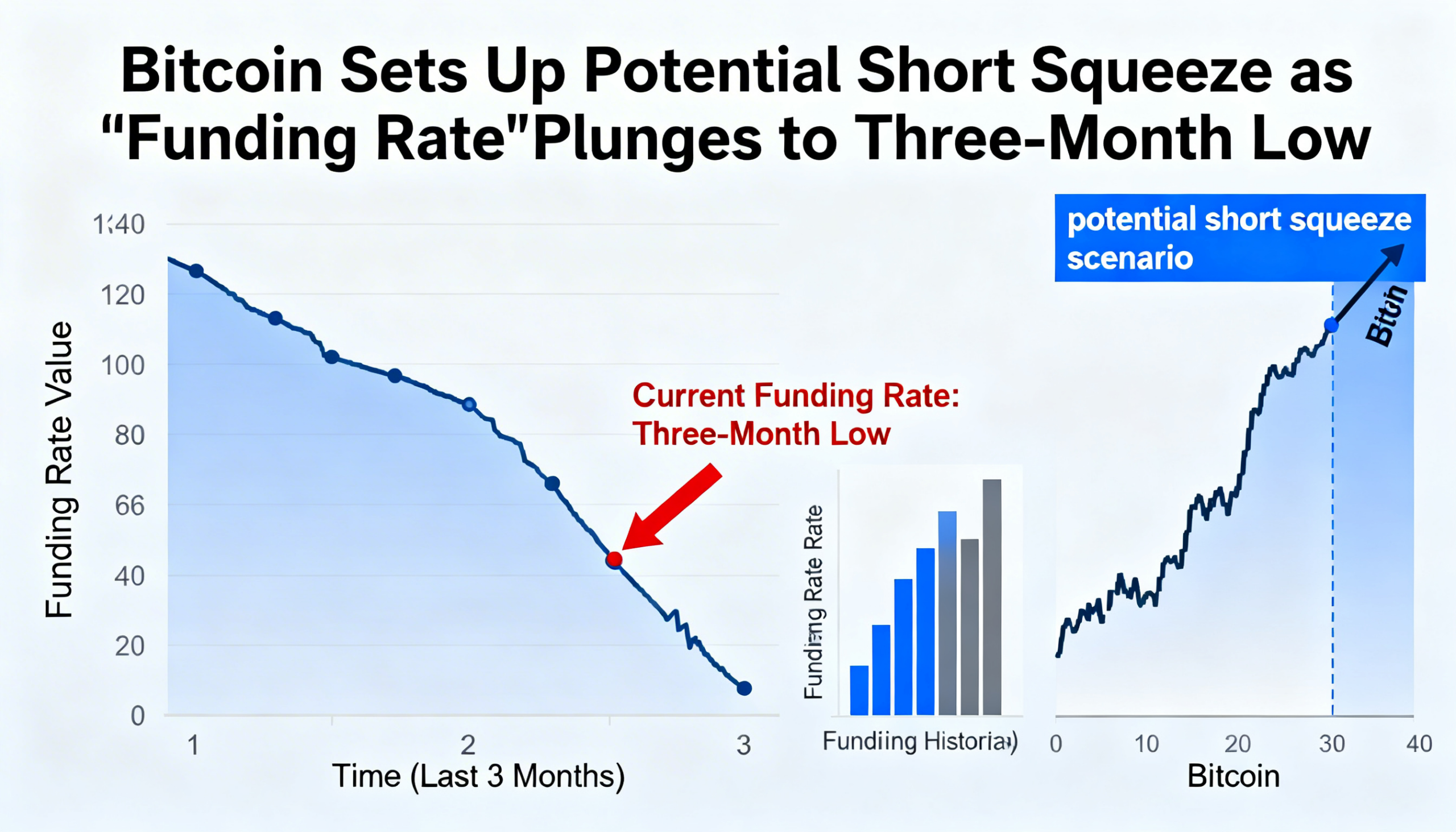
Short covering and dip buying are helping bitcoin hold the $90,000 area, according to market makers Flowdesk and QCP, even as prediction markets assign only slim odds to a move toward $96,000.
Flowdesk says bitcoin’s latest rebound above $90,000 appears driven less by crypto-specific catalysts and more by a broader year-end risk reset. The firm noted in a recent update that rising expectations for a December Fed rate cut, combined with short covering and opportunistic dip buying, have steadied trading conditions after last week’s washout.
Macro forces are doing much of the heavy lifting. QCP points to sticky inflation, weakening labor data, and emerging credit stress—particularly in AI-linked equities—as factors that could complicate the current relief rally. ETF outflows add another layer of pressure, keeping bitcoin’s upside contained.
Prediction markets reflect the same capped tone. Polymarket pricing shows traders giving a roughly 74% chance that bitcoin’s weekly high will stay near $92,000 through the end of November. The probability of a push toward $96,000 or higher sits in the single digits, aligning with desk commentary that rallies into the mid-$90,000s are likely to collide with ETF-driven supply.
Support remains concentrated in the $80,000–$82,000 zone, and crypto continues to trade primarily as a macro asset with volatility compressed into the U.S. holiday period. With desks focused on the Dec. 12 FOMC meeting, the path of least resistance remains sideways unless macro conditions shift.
BTC: Bitcoin is consolidating in the low $90,000s, with short covering lifting prices off last week’s lows while ETF outflows continue to block meaningful upside.
ETH: Ether is trading slightly above $3,000, drawing modest dip-buying interest but still struggling to regain momentum after a period of heavier relative selling.
Gold: Gold’s uptrend remains supported by falling rates, a softer dollar, geopolitical tension, and waning enthusiasm for AI and crypto. Wells Fargo’s Sameer Samana told Kitco News that gold remains a key diversifier as prices consolidate between $4,150 and $4,170 after failing to break above $4,160.
Nikkei 225: Asia-Pacific trading opened mixed on Friday, with flat U.S. futures keeping the Nasdaq on course to snap its seven-month winning streak. Tokyo inflation once again exceeded the Bank of Japan’s 2% target, and the Nikkei 225 slipped 0.19% ahead of India’s GDP release.