cpeditor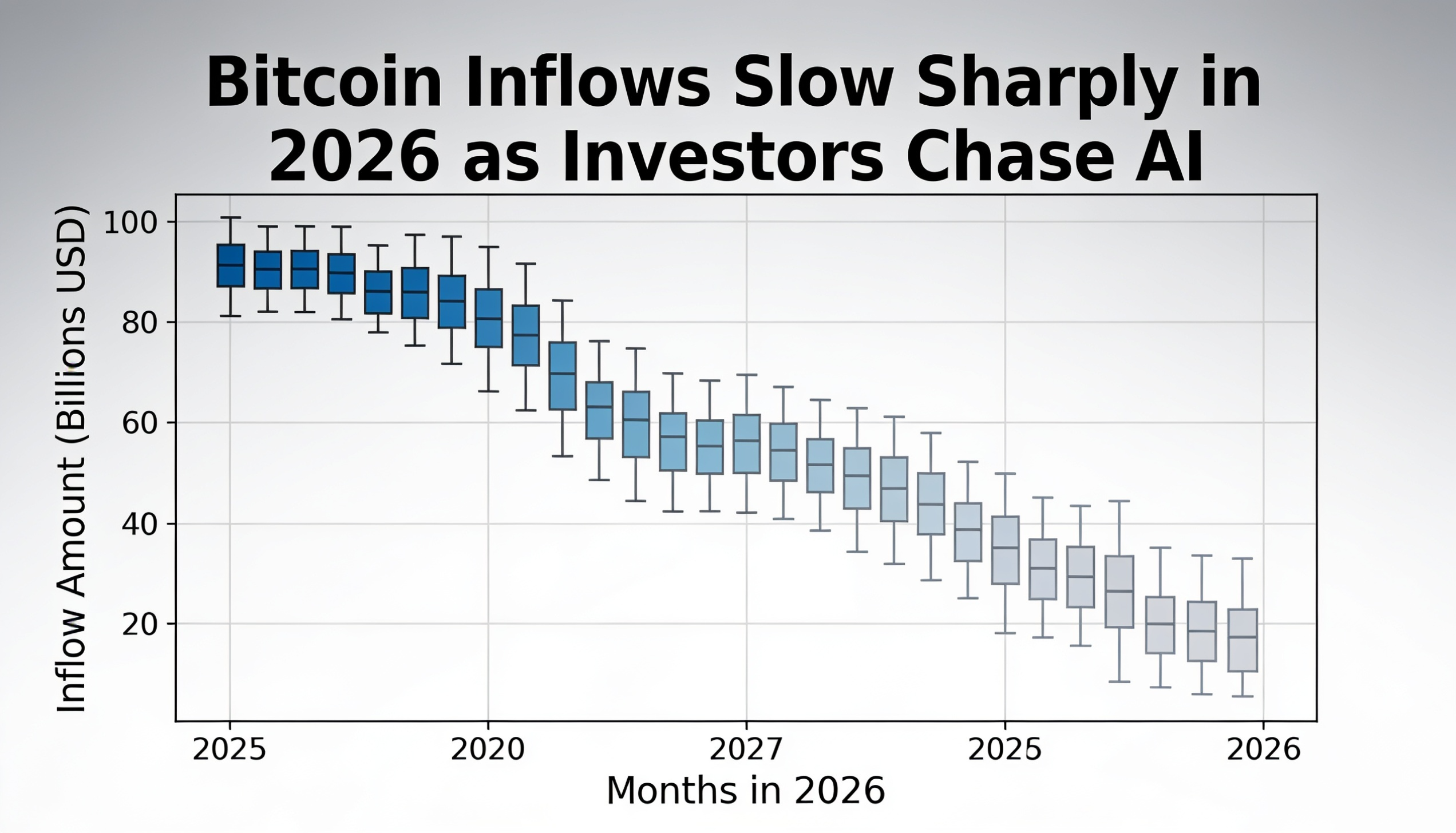
Bernstein said Bitcoin’s expanding and more diversified ownership base continues to reinforce its long-term store-of-value narrative.
According to the Wall Street broker, Bitcoin’s recent weakness is being driven primarily by softer capital inflows rather than concerns related to quantum computing or other structural risks.
Worries about future quantum computing advances—capable of potentially breaking Bitcoin’s cryptographic security—have become a recurring theme in crypto markets. The discussion intensified after Google research suggested that the computational power required to challenge blockchain security systems may be lower than previously assumed.
Bernstein highlighted that Bitcoin treasury firms and spot ETFs have attracted around $12 billion in inflows so far in 2026, a steep drop from about $60 billion in 2025. Within that total, ETFs have recorded roughly $2.6 billion in net outflows from a $75 billion asset base, with most new demand coming from corporate buyers, including Strategy.
The firm attributed the slowdown largely to retail investors rotating toward AI-related opportunities, noting that some of the strongest-performing crypto segments this year have been linked to tokenized equities and commodities.
Still, analysts led by Gautam Chhugani said, “Bitcoin still may offer some diversification from the unusual singular AI driven momentum markets we have experienced this year.”
They also pointed out that relatively limited ETF outflows are a constructive sign, suggesting Bitcoin ownership is becoming less reliant on momentum-driven retail flows.
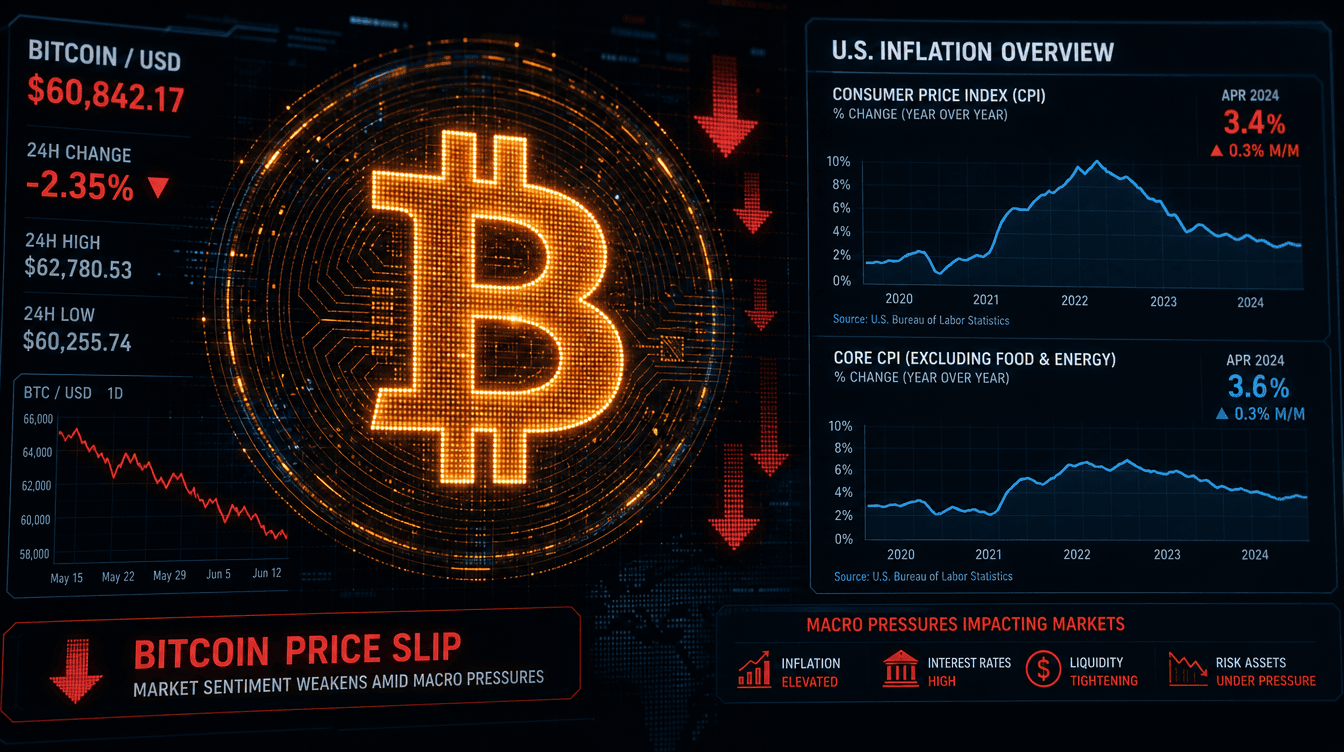
Bitcoin has been under pressure in recent months, falling from about $82,000 in early May to around $63,000, a drop of more than 20%. It briefly dipped below $60,000 last week—its lowest level since October 2024—and remains roughly 50% below its October 2025 peak near $126,000.
The decline has been linked to ongoing ETF outflows, weaker risk appetite, and a broader shift of capital toward AI-related equities and high-profile stock offerings.
Unlike earlier cycles dominated by retail speculation, today’s market includes ETFs, corporate treasuries, wealth managers, pension funds, and sovereign investors, which Bernstein says creates a more diversified and potentially more stable ownership structure.
Although Bitcoin has lagged the momentum seen in AI-related trades this year, Bernstein argued that its lack of hype does not weaken the long-term investment case and may actually reflect a healthier market structure.
Citing Citi research, spot Bitcoin ETF flows are estimated to account for about 45% of weekly price movements, making them a key indicator of demand trends.
At the time of writing, Bitcoin was trading near $62,600.