cpeditor
Bitcoin Holds Firm as Wall Street Sinks, Stirring Hopes of Market Independence
Amid a dramatic stock market downturn sparked by President Trump’s unexpected tariff rollout, bitcoin (BTC) is beginning to show signs it may finally be carving out its own identity—separate from traditional equities.
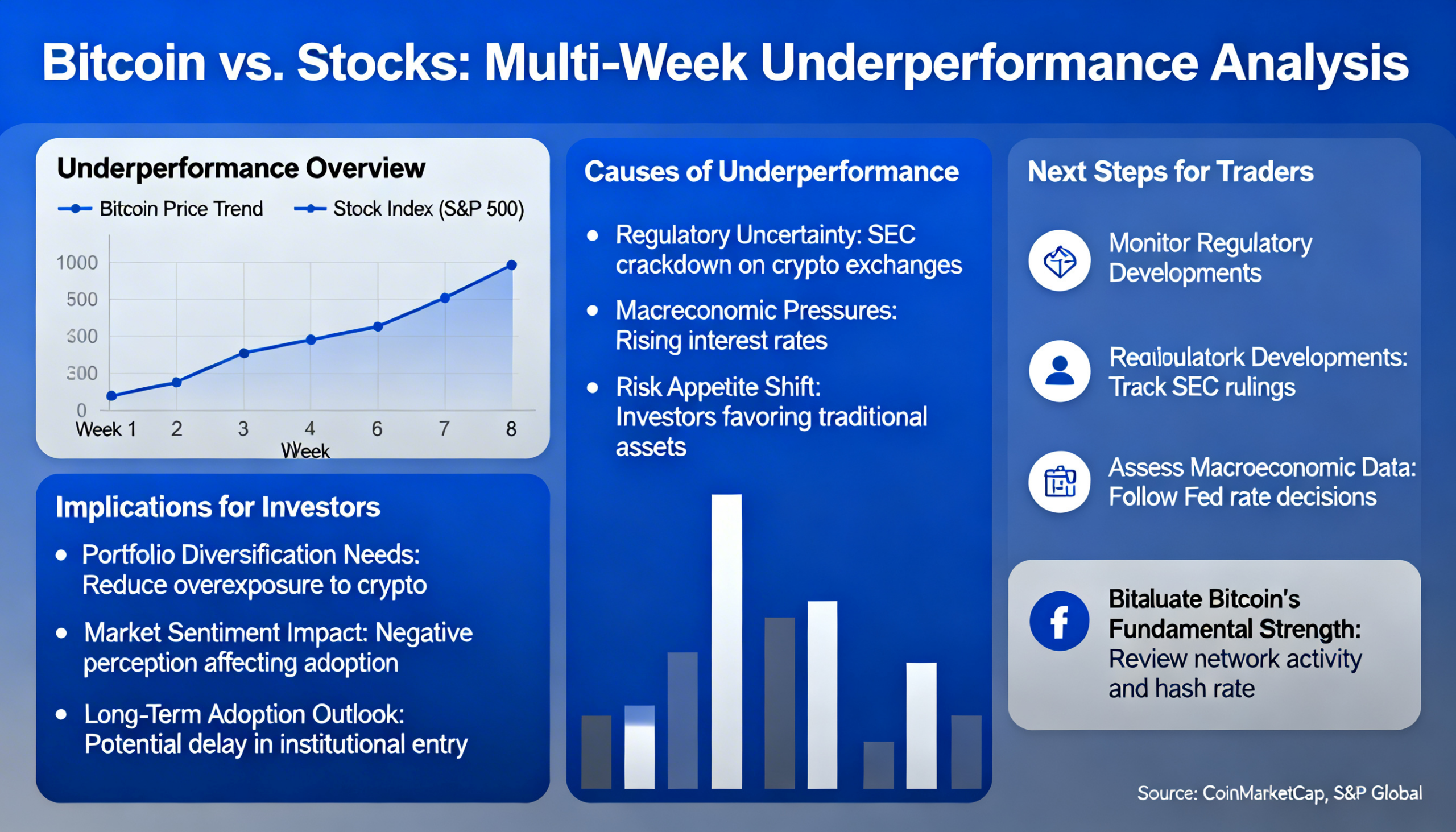
As the Nasdaq shed another 5% by midday Friday—compounding Thursday’s 6% drop—bitcoin remained surprisingly resilient, hovering near $83,000 and posting a mild 1% gain over the last 24 hours. Its week-to-date decline sits at just 3.5%, modest in comparison to the carnage seen across U.S. tech stocks.
Crypto-related equities haven’t fared nearly as well. Coinbase (COIN), MicroStrategy (MSTR), and Semler Scientific (SMLR) have each tumbled over the past two sessions, underperforming even the broader Nasdaq rout. Yet the digital asset itself, along with the wider crypto sector, appears to be bucking the trend.
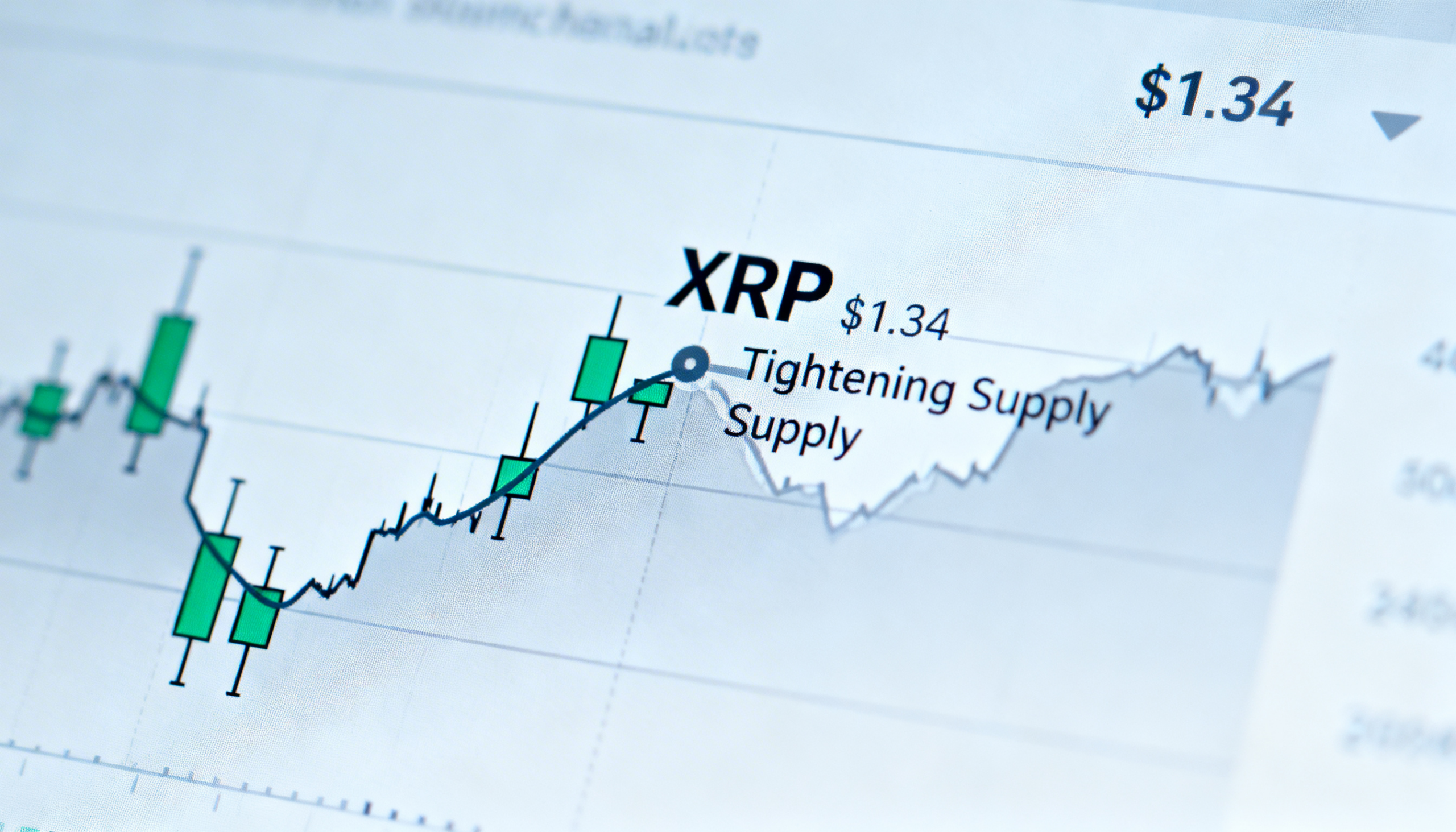
The CoinDesk 20 Index turned green on Friday, lifted by gains of 4–5% from XRP, Solana (SOL), and Cardano (ADA), suggesting that risk appetite within the crypto space may be holding up better than anticipated.
“Bitcoin is holding the line while stocks continue to break down,” said David Hernandez of 21Shares. “We’re seeing early indications that it’s behaving more like a macro safe haven again—something we haven’t witnessed in a while.”
Standard Chartered’s Geoff Kendrick, who previously argued that BTC mirrors tech stock behavior during normal conditions but shifts during crises, now sees the digital asset positioning as a hedge once more. “We may be watching bitcoin evolve into a shelter during geopolitical or economic shock,” he said in a Friday note.
But not everyone is convinced this is a true market decoupling.
Fundstrat’s Sean Farrell pointed to the possibility of large-scale corporate accumulation, citing recent bitcoin buys from GameStop and ongoing treasury dollar-cost averaging. “There’s a good chance this rally is being propped up by corporate demand,” he said. “If BTC continues to outperform into next week, we’ll need to reassess what’s really driving the bid.”