cpeditor
Here’s a fully rewritten version with smoother flow and clarity:
Major cryptocurrencies have declined by 2% or more over the past day as traders ramp up expectations for a Federal Reserve rate hike in July.
The broader crypto market is under pressure, reflecting growing anticipation that the Fed could raise interest rates as early as this month. This comes ahead of crucial U.S. inflation data and upcoming congressional testimony from Chair Kevin Warsh.
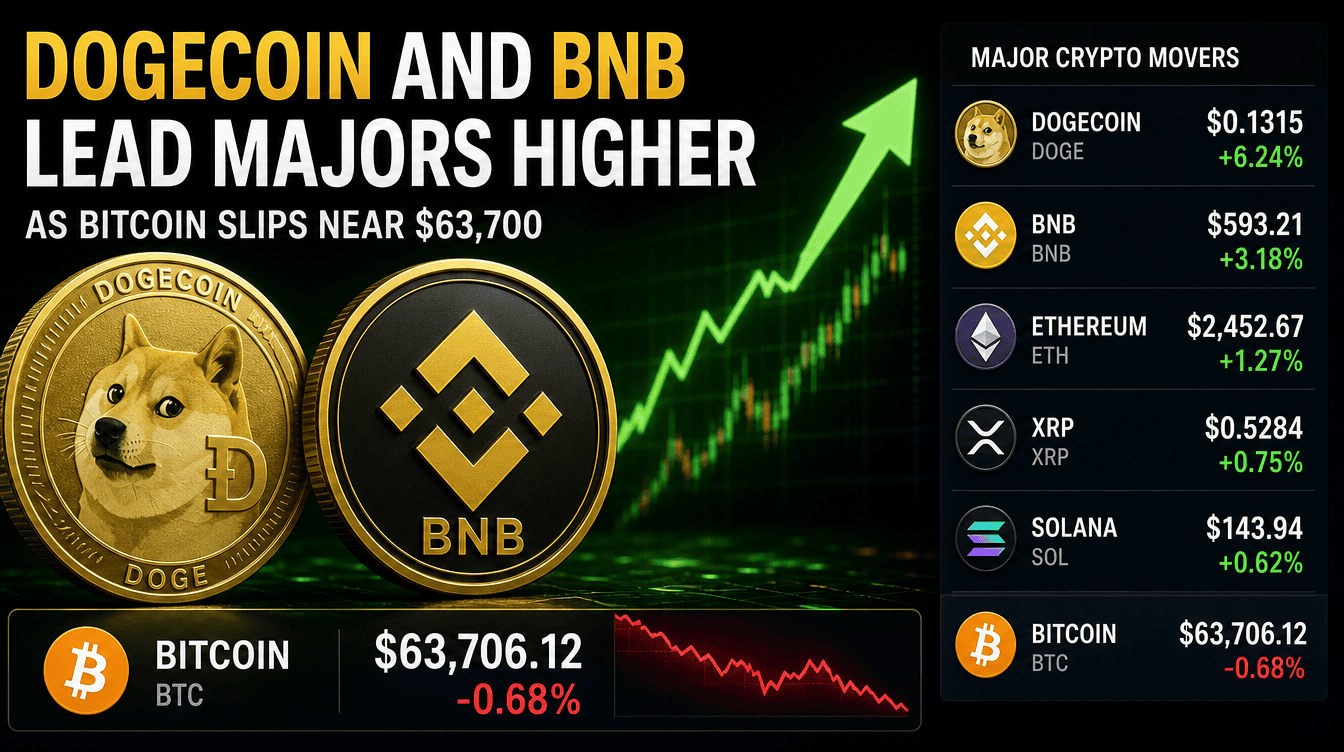
Bitcoin has fallen more than 2% in the last 24 hours to around $62,380. Ether, XRP, and other major tokens have also posted comparable losses, according to CoinDesk data.
Money markets are now pricing in roughly a 50% chance of a rate hike this month, a sharp increase from about 10% just days ago, based on Bloomberg figures. The shift follows comments from Fed Governor Christopher Waller, who indicated that further rate increases may be needed to contain inflation.
This repricing has extended to bond markets, pushing the two-year U.S. Treasury yield up to 4.29%, its highest level since early last year. This segment of the yield curve is particularly sensitive to expectations around near-term monetary policy.
The more hawkish outlook is partly driven by rising geopolitical tensions between the U.S. and Iran, alongside a sharp increase in oil prices. President Donald Trump reinstated a blockade on Iranian vessels passing through the Strait of Hormuz and imposed a 20% fee on other shipments using the route.
As a result, West Texas Intermediate crude futures have climbed to nearly $80 per barrel, up from $67 at the start of the month, reigniting concerns about inflation.
Focus shifts to CPI and Warsh testimony
Investors are now awaiting fresh inflation data, with the June consumer price index set to be released Tuesday morning by the Labor Department.
Economists surveyed by Bloomberg expect headline inflation to drop below a 4% annual rate. The report is anticipated to show the first decline in both headline and core inflation since January, following May readings of 4.2% and 2.9%, respectively.
However, even if the data aligns with forecasts, it may be viewed as outdated given the recent surge in oil prices. If inflation proves more persistent than expected, it could intensify concerns about the Fed’s next moves.
Attention will then turn to Kevin Warsh’s testimony before Congress. With the Fed chair typically offering limited forward guidance, markets will be closely watching for any hints on the direction of interest rates and inflation.
Analysts at ING noted that Warsh could highlight subdued inflation expectations if he chooses. They also suggested he has sufficient grounds to avoid raising rates for now, adding that even if a hike occurs, it may be reversed later, with markets still expecting larger rate cuts over time.