cpeditor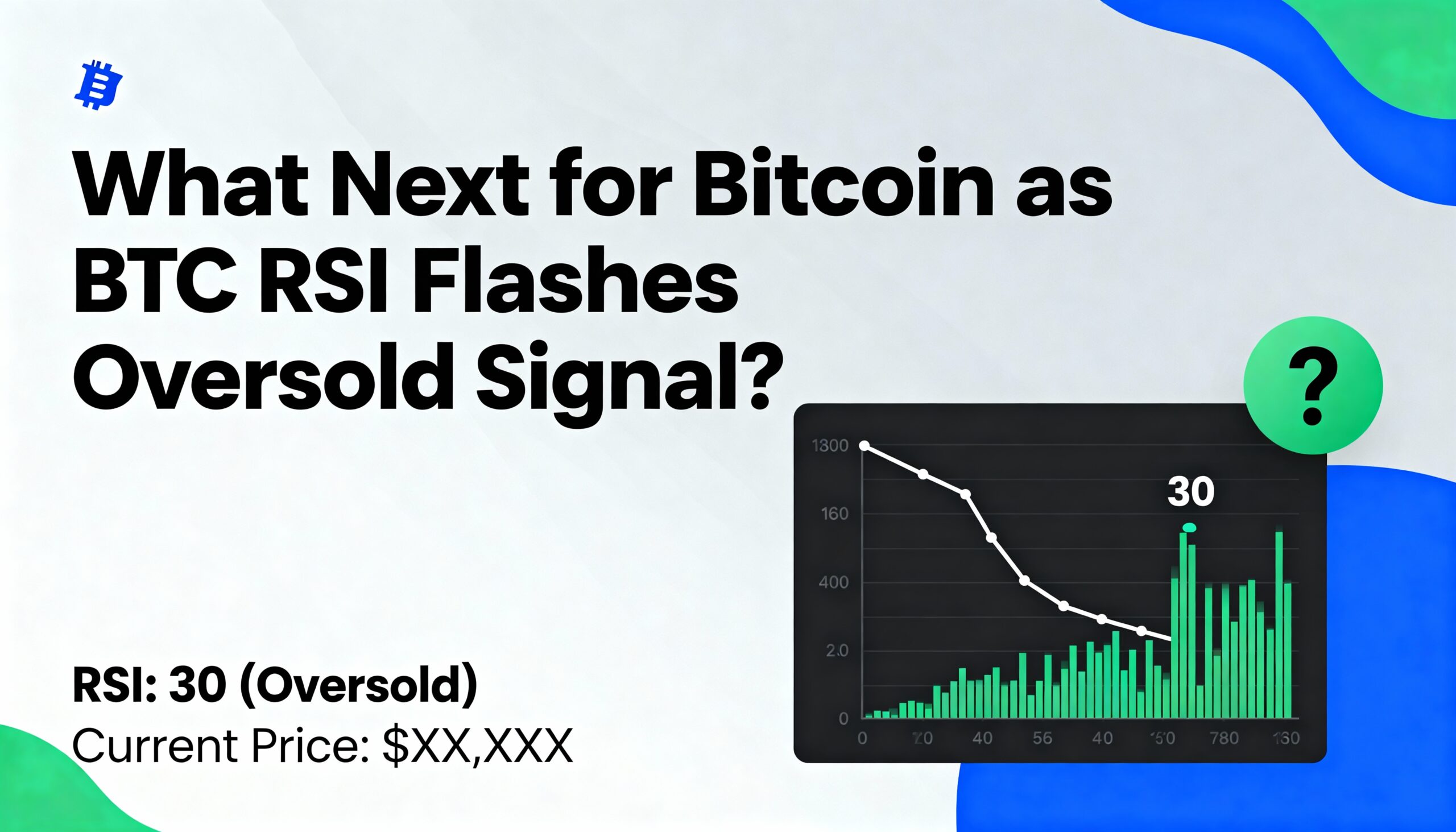
Bitcoin RSI Hits Oversold Territory, But Reversal Is Not Guaranteed
Bitcoin (BTC) appears oversold, according to the 14-day Relative Strength Index (RSI), a widely followed measure of momentum. BTC fell below $90,000 early Tuesday, down 28% from last month’s all-time high above $126,000. The RSI has dipped below 30, signaling an oversold condition—an indicator that historically can precede a pause or potential rebound in price.
However, an oversold RSI should not be interpreted as an automatic buy signal. The metric can remain in oversold territory for extended periods, reflecting strong downward momentum rather than an imminent trend reversal. Experienced traders emphasize that confirmation through price action is crucial.
To validate the RSI signal, traders watch for emerging support levels or candlestick patterns such as Doji candles or long lower wicks that suggest selling pressure is easing. If such signs appear, they could indicate that a rebound is more likely.
The last time Bitcoin’s RSI fell below 30—late February—BTC traded under $80,000, marking a slowdown in the downtrend before bottoming near $75,000 in early April. Analysts caution that while the oversold RSI may hint at similar conditions, traders should monitor price behavior closely for confirming signals.
Because the RSI is widely tracked, its signals can sometimes become self-fulfilling, as collective trading actions amplify the indicator’s effect.