cpeditor
Yen Rally May Stall, Creating Opportunity for Bitcoin and Nasdaq Rebound
The recent downturn in bitcoin (BTC) and the Nasdaq has coincided with a sharp appreciation of the Japanese yen (JPY) and rising Japanese government bond yields—reminiscent of similar market moves last August. While this could be coincidence, historical trends suggest that yen strength often leads to risk-off sentiment in global markets.
For decades, the yen’s role as a low-yielding funding currency has supported asset prices worldwide. Its recent surge may have contributed to the sell-off in equities and crypto. However, data from the Commodity Futures Trading Commission (CFTC) via MacroMicro shows that speculative positioning in the yen is now at extreme levels, with traders holding record-long positions. Such overcrowded trades are prone to reversals, which could weaken the yen and provide support for risk assets like bitcoin and the Nasdaq.
Institutional Flows Could Cap Yen Strength
Morgan Stanley’s G10 FX Strategy team has warned that chasing further yen gains may not be wise, citing strong demand from Japanese institutional investors for foreign assets. The Nippon Individual Savings Account (NISA) program enables retail investors to accumulate overseas investments, limiting the yen’s upside. Additionally, Japan’s public pension fund often rebalances out of yen-denominated assets, further slowing the currency’s advance.
This pattern played out last August when an abrupt yen rally coincided with an equity sell-off, followed by a reversal that fueled a risk-on recovery. At that time, USD/JPY dropped to 140 before rebounding to 158.50 by January. Meanwhile, BTC surged from $50,000 to a record-breaking $108,000 over the same period.
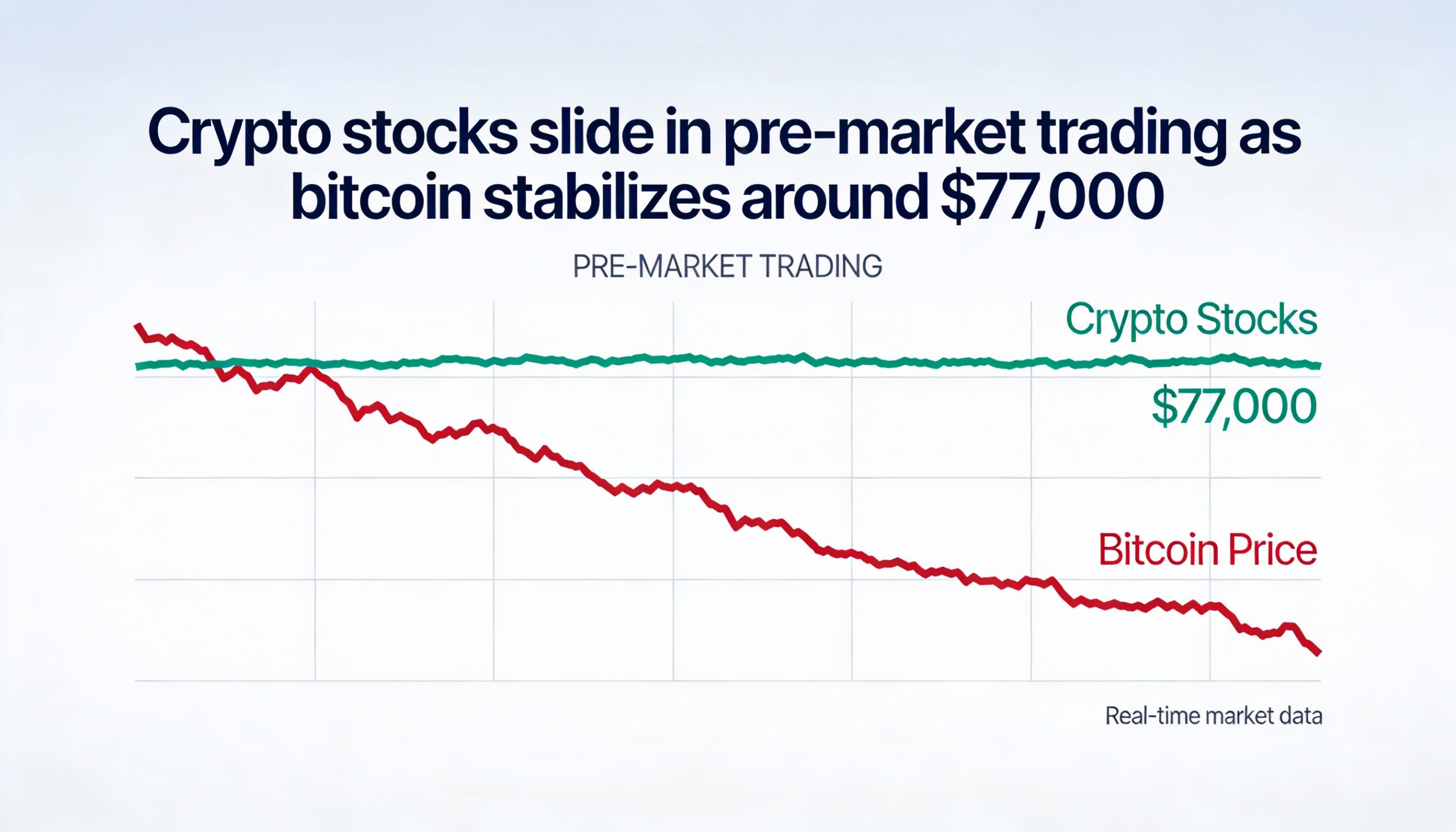
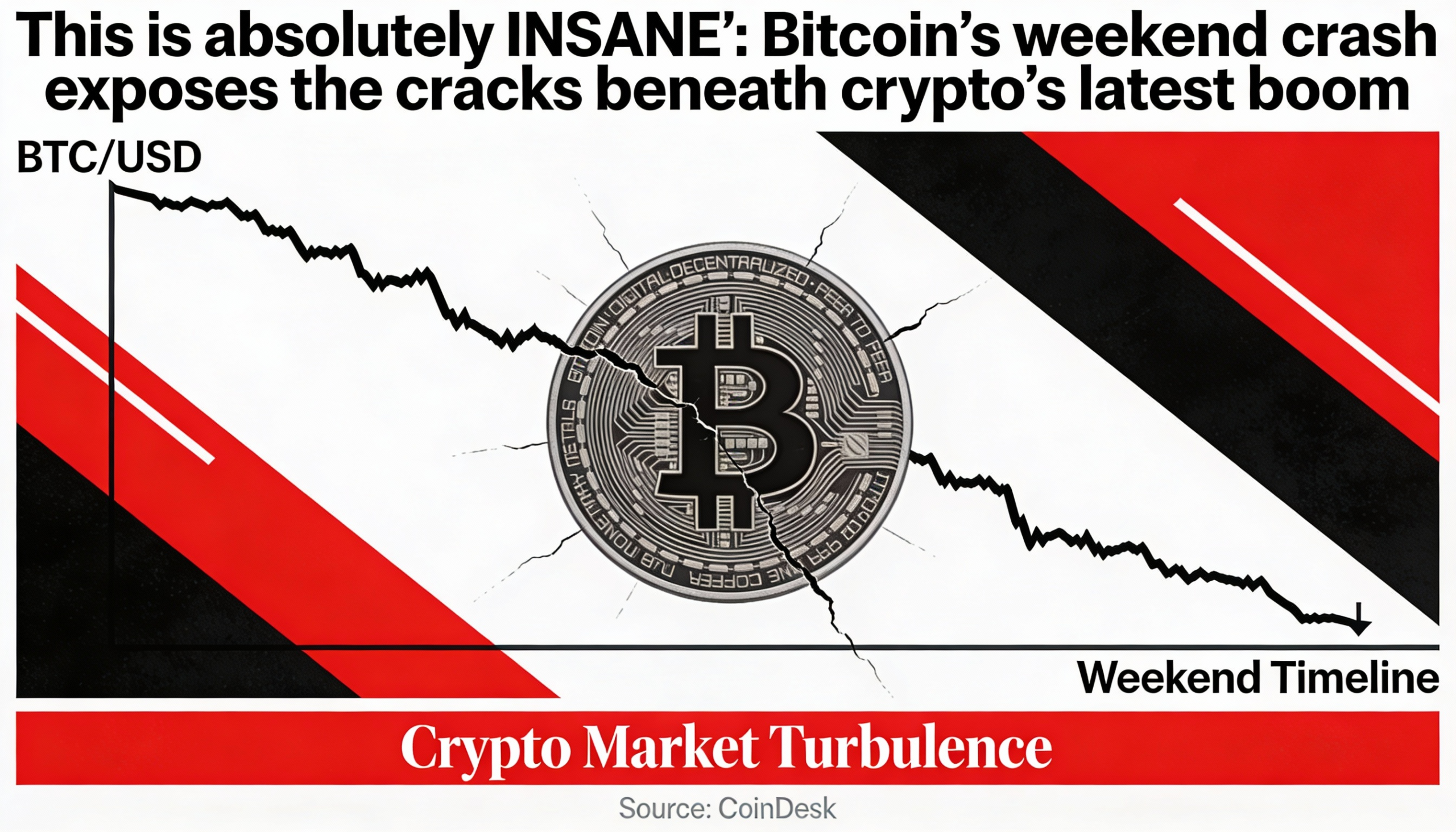
As of now, bitcoin is trading near $80,300, reflecting a 5% decline for the month after February’s 17.6% drop. Earlier on Tuesday, BTC briefly dipped to $76,800, according to CoinDesk data. Meanwhile, USD/JPY is trading at 147.23, having hit a five-month low of 145.53 earlier in the day, per TradingView data.
Caution Still Warranted as Yen’s Bullish Trend Persists
While a reversal in speculative positioning could provide short-term relief for risk assets, the broader outlook still favors yen strength. The narrowing yield differential between U.S. and Japanese government bonds—now at 2.68%, the lowest since August 2022—suggests a long-term bullish shift for the yen.
If history repeats itself, bitcoin and the Nasdaq may see a temporary rebound, but investors should remain cautious as continued yen strength and macroeconomic shifts could lead to further market volatility.