cpeditor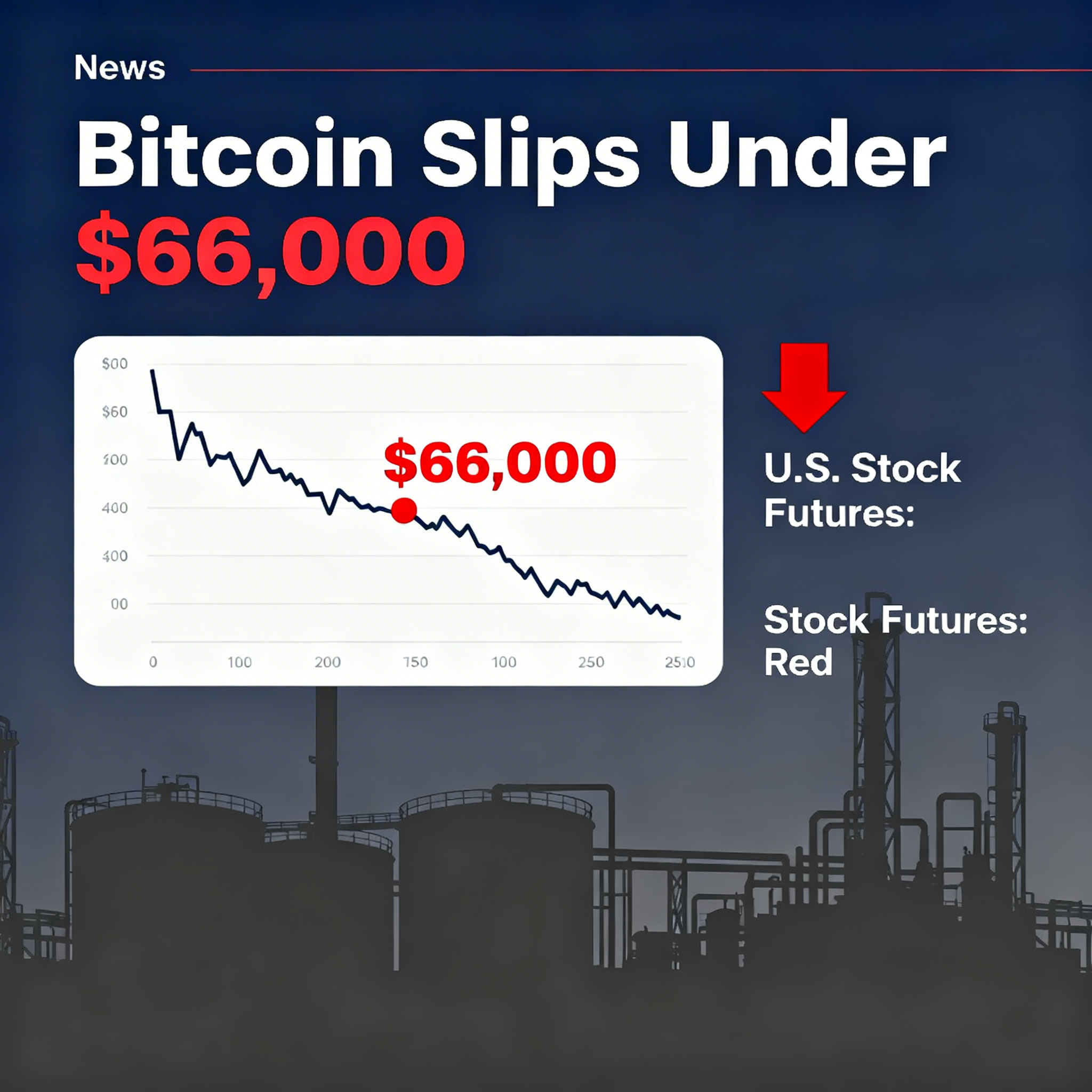
Bitcoin reversed its earlier advance in Asian hours as intensifying Middle East tensions unsettled global markets, dragging U.S. equity futures lower and sending oil prices sharply higher.
The cryptocurrency briefly tested levels near $67,000 before slipping back under $66,000. S&P 500 e-mini futures fell 1.4% to 6,790 after touching 6,857 earlier in the session, reflecting a broad move away from risk. Crude oil continued to rally, climbing more than 7% across international benchmarks on fears of supply disruptions.
Open-source intelligence accounts on X reported that Iran expanded missile strikes targeting U.S. assets in Bahrain, Kuwait and the UAE. The widely followed War & Gore OSINT handle said Tehran also struck the Ras Tanura refinery operated by Saudi Aramco, the world’s largest oil producer.
At the same time, the BBC reported that Israel carried out additional airstrikes in Lebanon aimed at Hezbollah, Iran’s principal regional proxy.
Stephen Coltman, head of macro at 21Shares, said Iran appears to be attempting to raise the economic and geopolitical cost for the United States by widening the theater of conflict and targeting critical energy infrastructure. Any sustained disruption to oil and LNG flows through the Strait of Hormuz could further fuel global inflation pressures.
“Conflicts are generally inflationary, pushing commodity prices higher and expanding fiscal deficits,” Coltman said, adding that although markets initially reacted with a sell-off, prolonged instability could eventually bolster assets viewed as stores of value, including bitcoin.
The latest flare-up began over the weekend after U.S. and Israeli forces launched strikes described as preemptive moves to curb Iran’s missile capabilities and nuclear ambitions. For now, however, bitcoin has not exhibited clear safe-haven characteristics, instead trading largely in line with broader risk assets.