cpeditor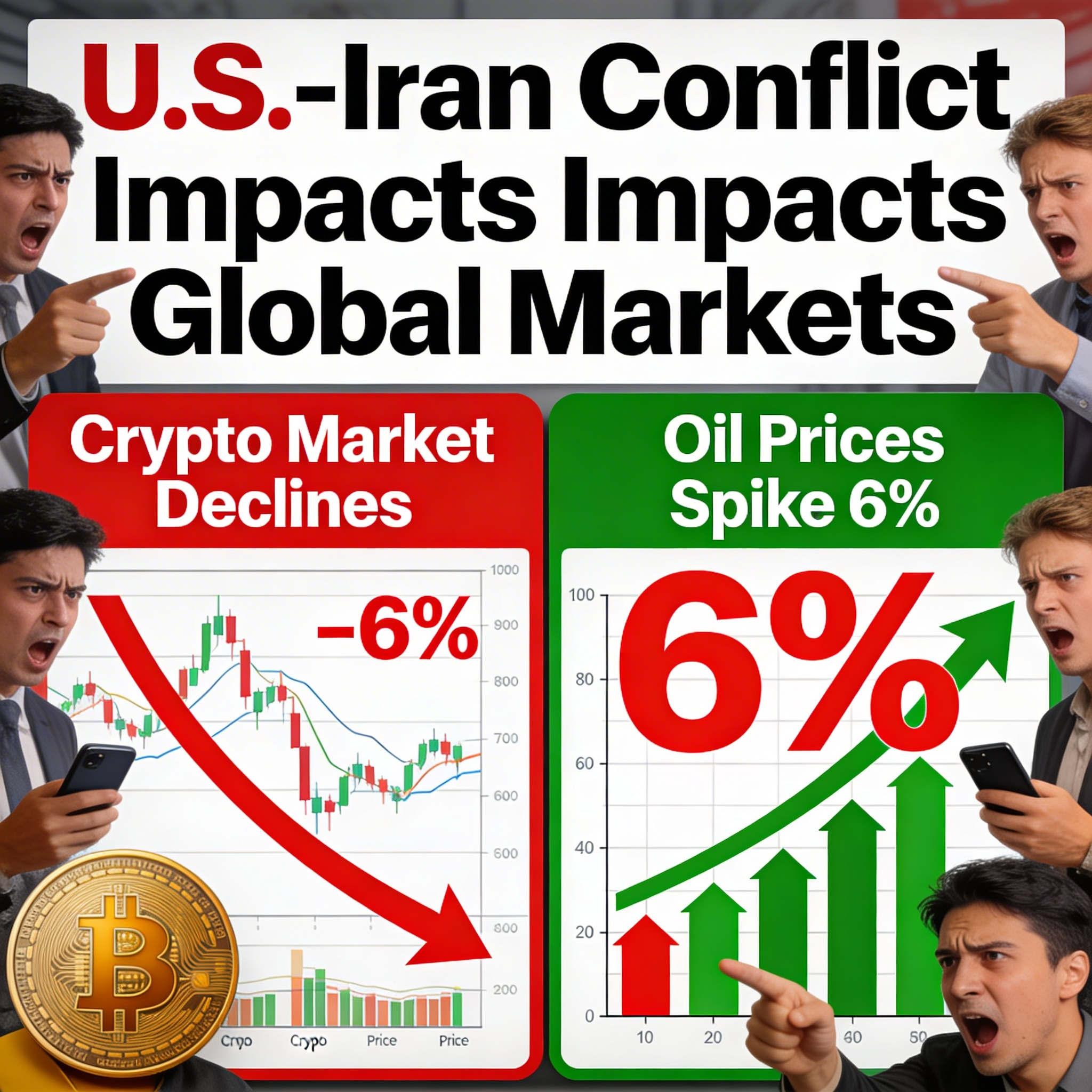
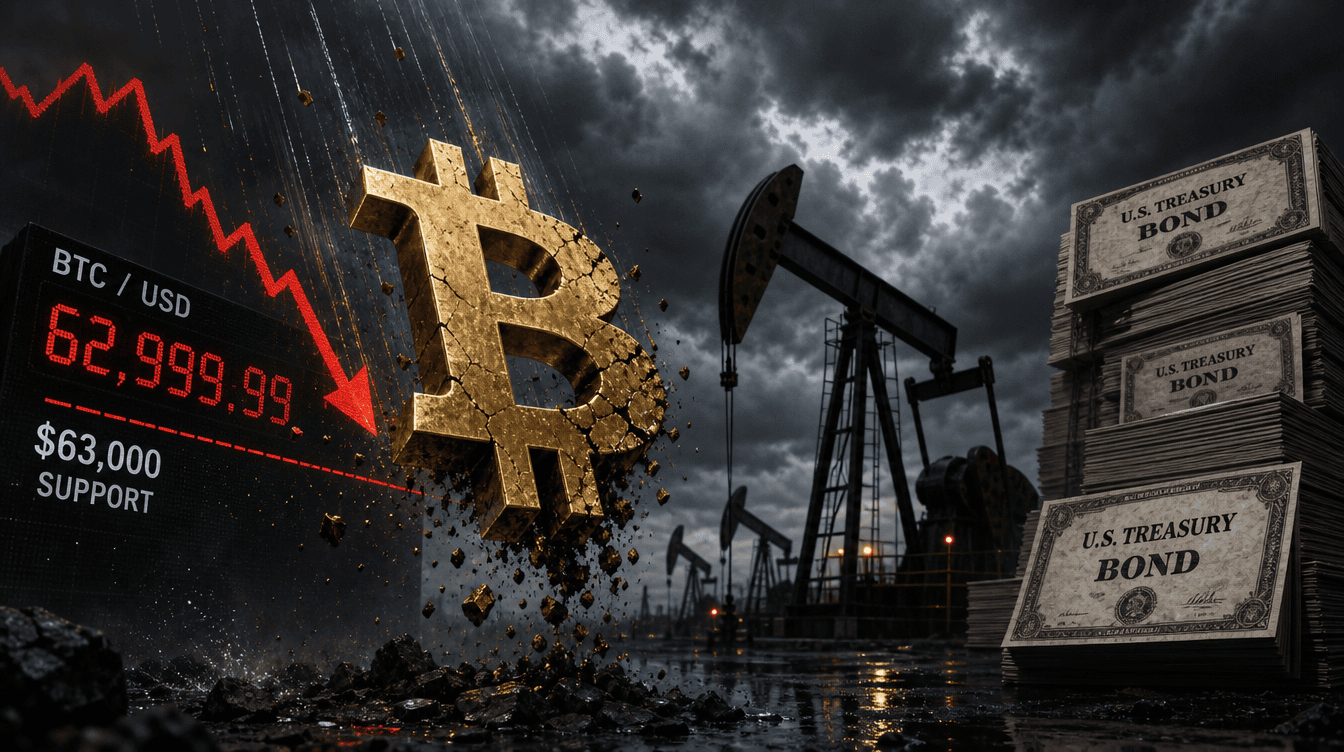
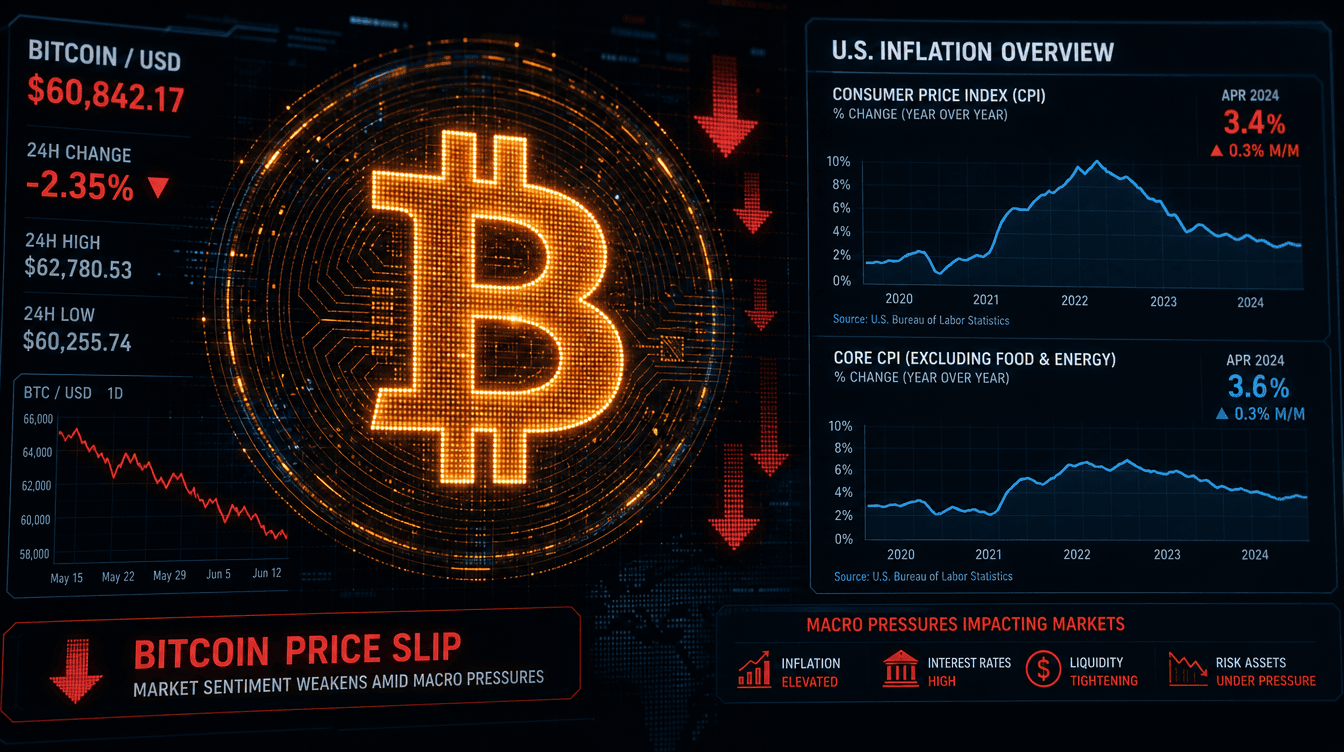
Bitcoin traded near $66,700 on Monday as global investors returned to their desks and began incorporating the weekend’s U.S.–Iran escalation into broader asset prices. Energy markets led the reaction, while equities and risk assets moved lower.
The cryptocurrency was changing hands at $66,702 in early trading, down 1.1% over the past 24 hours. After moving largely independently over the weekend, digital assets began syncing with traditional markets as they reopened. A short-lived rebound to $68,000 on Sunday — following developments involving Iran’s Supreme Leader, Ali Khamenei — has since reversed, leaving Bitcoin back in the mid-$66,000 range seen prior to the strikes.
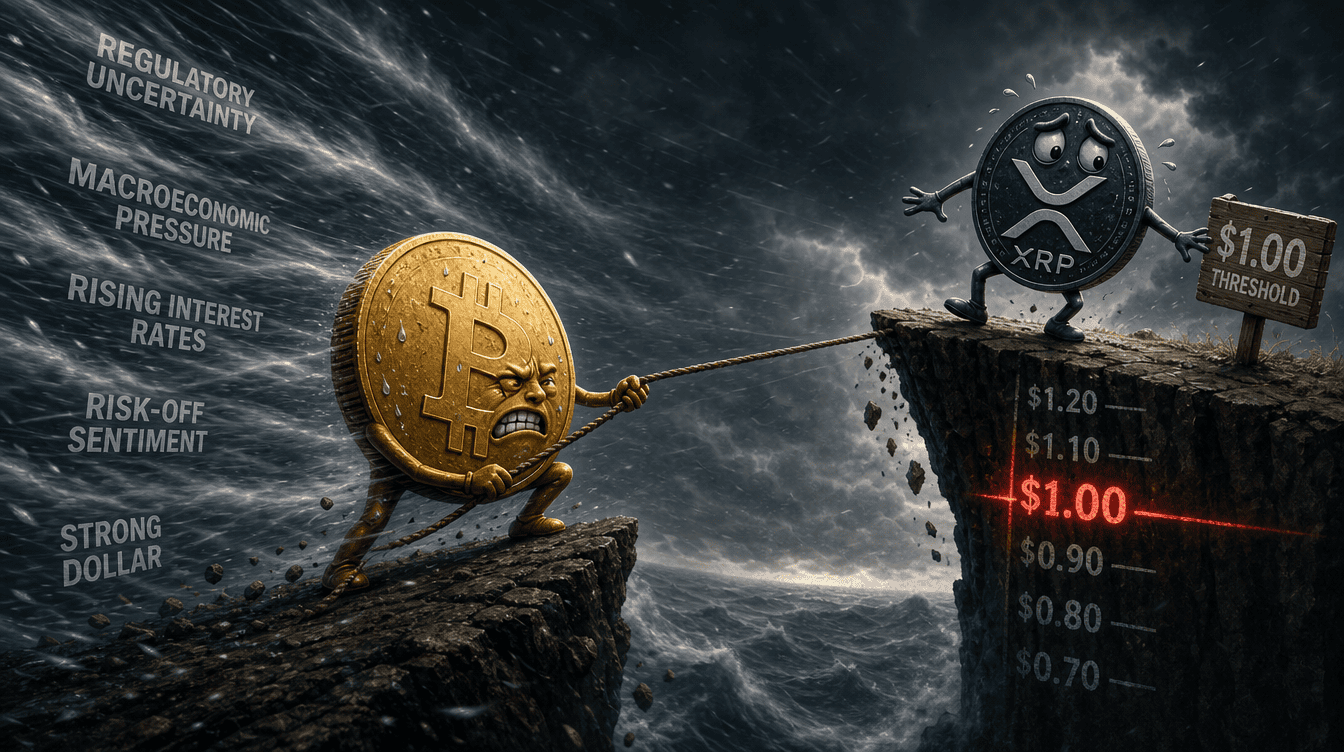
Major altcoins also retreated. Ether fell 2.5% to $1,967, solana dropped 4.1% to $84, and XRP declined 3.6% to $1.36. On a weekly basis, solana has led losses among large-cap tokens, sliding 8.1% over the past seven days.
Oil markets saw the sharpest volatility. Brent crude surged as much as 13% at the open before trimming gains to around $77.50, still up 6.4% — its biggest jump since Russia’s 2022 invasion of Ukraine. According to Bloomberg, the Strait of Hormuz — a critical chokepoint that carries roughly 20% of global oil supply — is effectively closed. Asian equities fell 1.4%, U.S. stock futures slipped 0.7%, and gold climbed to $5,350 per ounce.
The spike in oil could shape crypto’s near-term trajectory. Higher energy prices typically feed into inflation expectations, potentially delaying Federal Reserve rate cuts and tightening liquidity conditions — a headwind for speculative assets like digital currencies.
Diplomatic signals remain unclear. The Wall Street Journal reported that Tehran may be exploring renewed nuclear negotiations with Washington. However, Iran’s national security chief, Ali Larijani, said the country would not engage in talks. U.S. President Donald Trump stated that military operations would continue until objectives are achieved, though The Atlantic indicated he may be open to discussions with Iran’s new leadership.
Some crypto market participants argue that further downside could be contained. Jeff Mei, chief operating officer at BTSE, said Iran’s limited integration into global financial markets reduces the risk of systemic contagion. While rising oil prices are a concern, he noted that additional supply from OPEC and the U.S. could help stabilize the market.
For now, uncertainty surrounding the Strait of Hormuz and the duration of military operations continues to cloud the outlook. Until clearer signals emerge, cryptocurrencies are likely to trade in line with broader macro risk sentiment in an increasingly volatile geopolitical landscape