cpeditor
ISM Services Weakens Again, Bitcoin Falls Below $113K as Economic Momentum Cools
The ISM Services PMI — historically a reliable gauge of U.S. economic activity — is now painting a picture of mounting softness, adding to growing concerns that the economy is losing steam faster than expected.
The July reading came in at 50.1, missing consensus estimates of 51.5. While a number above 50 still suggests expansion, the margin has become razor-thin. Notably, this marks the third consecutive month of near-stagnant growth: May’s reading was 49.9, and June registered at 50.8, well below the robust prints earlier this year.
The weak PMI print follows last Friday’s sharp downward revisions to U.S. jobs growth, which triggered a sell-off across risk assets. Now, with both labor and services data signaling a slowdown, market participants are beginning to weigh the risk of a broader downturn.
Adding to investor anxiety was the Prices Paid subindex, which surged to 69.9, its highest level in this cycle. The jump reflects rising input costs despite weakening demand — a hallmark of stagflation.
One respondent in the ISM survey cited the impact of tariffs:
“Tariffs are causing additional costs as we continue to purchase equipment and supplies. The cost is significant enough that we are postponing other projects to accommodate these changes.”
Markets React
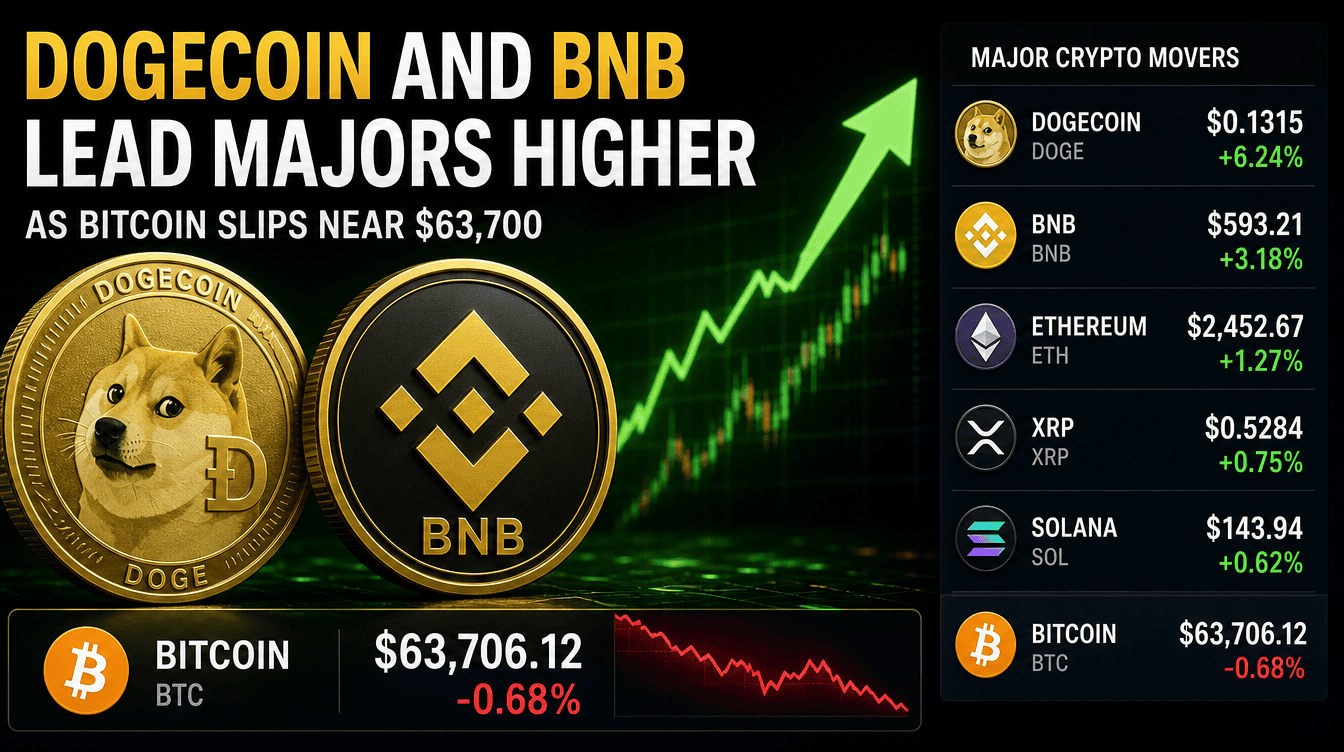
Bitcoin (BTC) reversed course following the release, sliding from intraday highs above $114,000 to $112,800, down nearly 2% over 24 hours. Traditional equities also took a hit, with the Nasdaq falling 0.5% after early-session gains.
What Now for the Fed?
The latest data is reigniting debate over whether the Federal Reserve can afford to stay on hold — or if a rate cut may soon be warranted.
Moody’s economist Mark Zandi, reflecting on Friday’s labor data revisions, wrote:
“The economy is on the precipice of recession. Consumer spending has stalled, construction and manufacturing are contracting, and employment is poised to decline. With inflation rising, it’s difficult for the Fed to respond — but it may soon have no choice.”
Veteran fixed-income managers Lacy Hunt and Van Hoisington of Hoisington Investment Management argue that the inflation seen from tariffs is likely transitory and should not prevent the Fed from acting.
“The Fed must move toward an accommodative stance. Waiting too long could amplify the coming contraction in global economic activity,” they warned.
With macro indicators flashing caution and crypto markets already reacting, traders are likely to keep a close watch on the Fed’s tone in upcoming communications — especially as cracks in the economy deepen.