cpeditor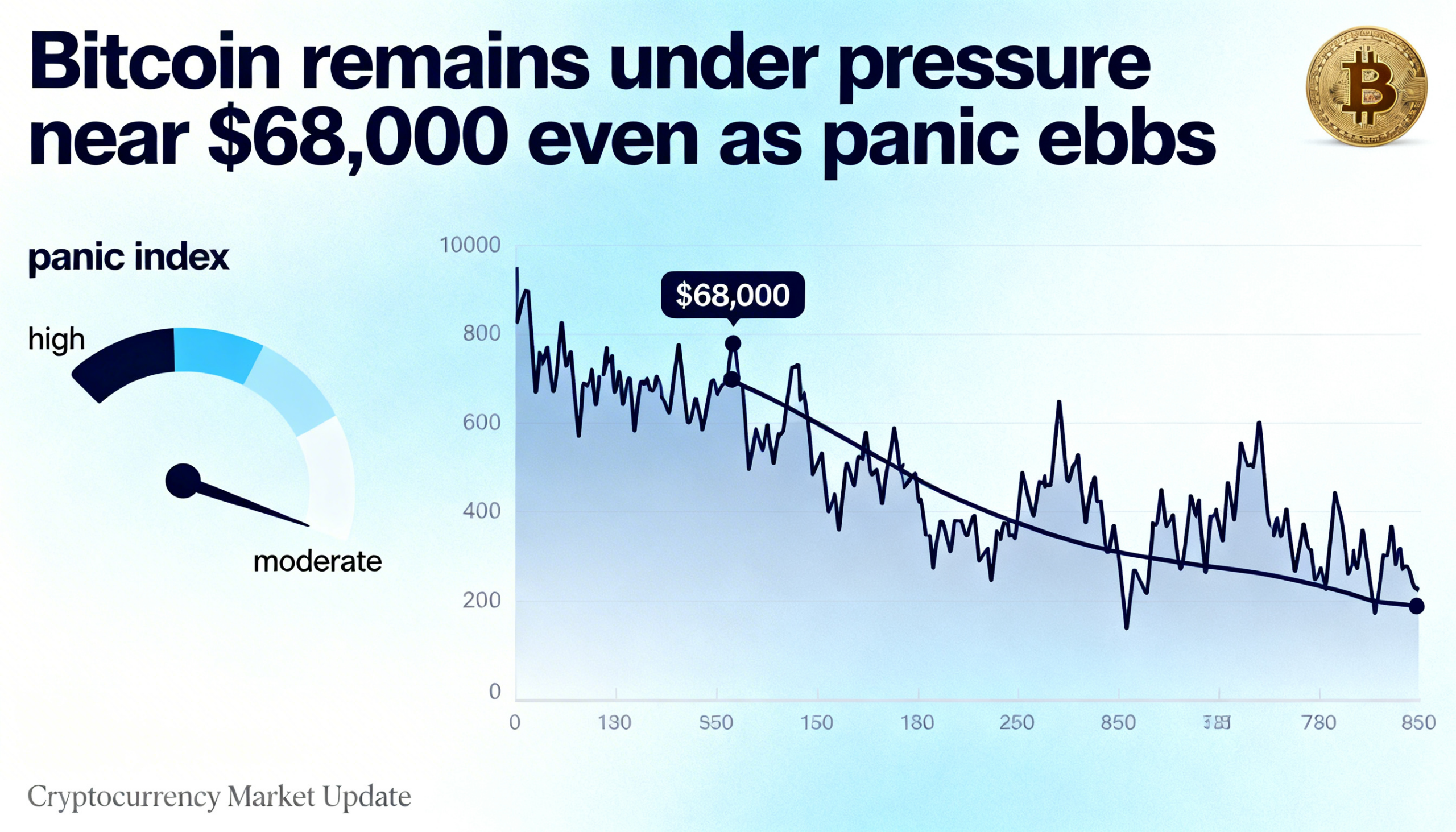
Bitcoin is showing signs of calm after early-month turbulence, but underlying market indicators suggest that buying conviction remains limited despite a gradually improving macro backdrop.
The cryptocurrency was trading near $68,000 at the time of writing, still unable to generate sustained upward momentum. While prices rebounded from their slide toward $60,000 earlier this month, repeated failures to hold above $70,000 underscore the lack of strong follow-through demand.
Volatility metrics point to easing stress. Data from Volmex indicate that bitcoin’s 30-day implied volatility has fallen to an annualized 52%, a sharp retreat from nearly 100% during the height of the sell-off. That earlier surge reflected heavy demand for options as traders rushed to hedge against further downside.
Options are derivatives used either to speculate on price moves or to insure against them. Calls allow traders to benefit from upside swings, while puts offer protection against declines. As panic-driven hedging subsides, implied volatility typically declines — a sign that markets are stabilizing.
Analysts at Bitfinex said the drop in implied volatility suggests that the deleveraging phase is nearing exhaustion. However, they emphasized that stabilization does not yet equate to renewed bullish positioning.
That view is reinforced by activity in perpetual futures. Funding rates — the payments exchanged between long and short traders to keep perpetual contracts aligned with spot prices — remain only slightly positive. While a positive rate signals that long positions are paying shorts, indicating a bullish tilt, current levels reflect only mild optimism rather than aggressive re-leveraging.
Institutional flows also remain soft. According to data from SoSoValue, U.S.-listed spot bitcoin exchange-traded funds have posted approximately $678 million in net outflows this month, extending a three-month streak of redemptions and highlighting subdued institutional participation.
Still, broader macroeconomic trends could provide support.
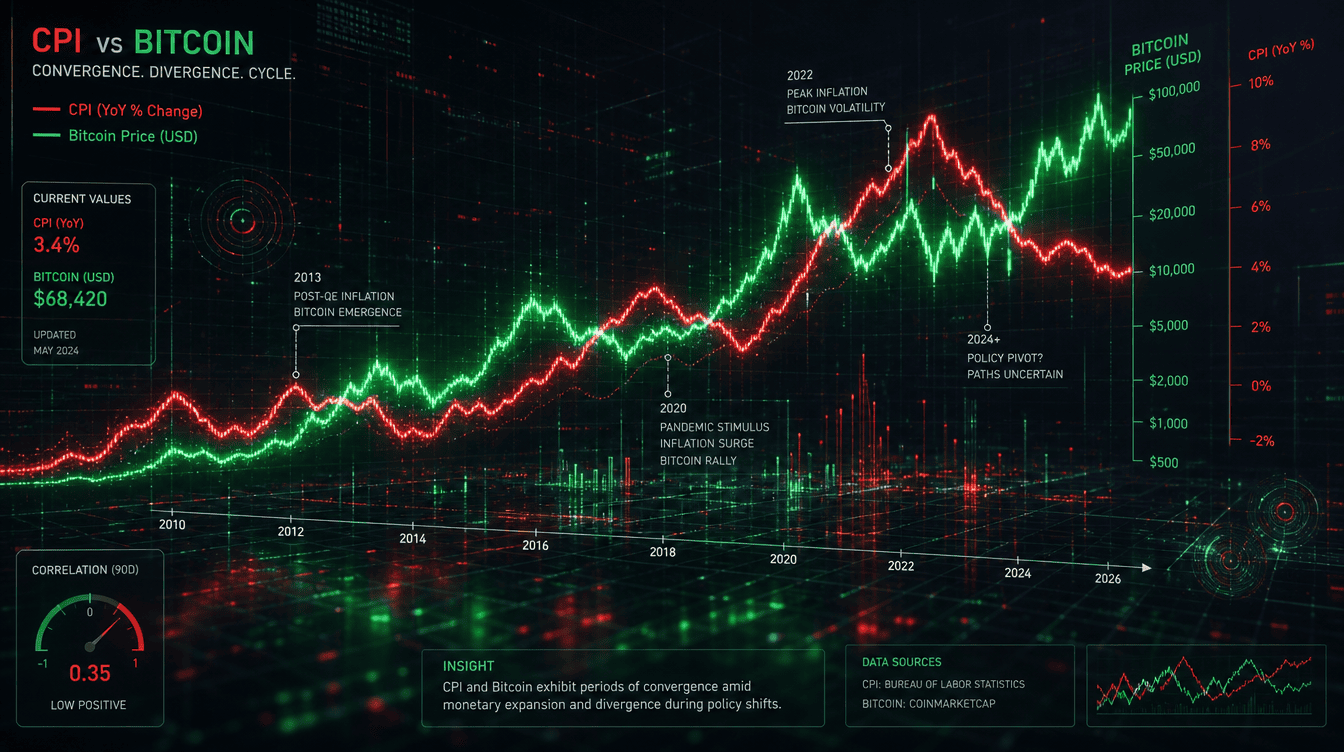
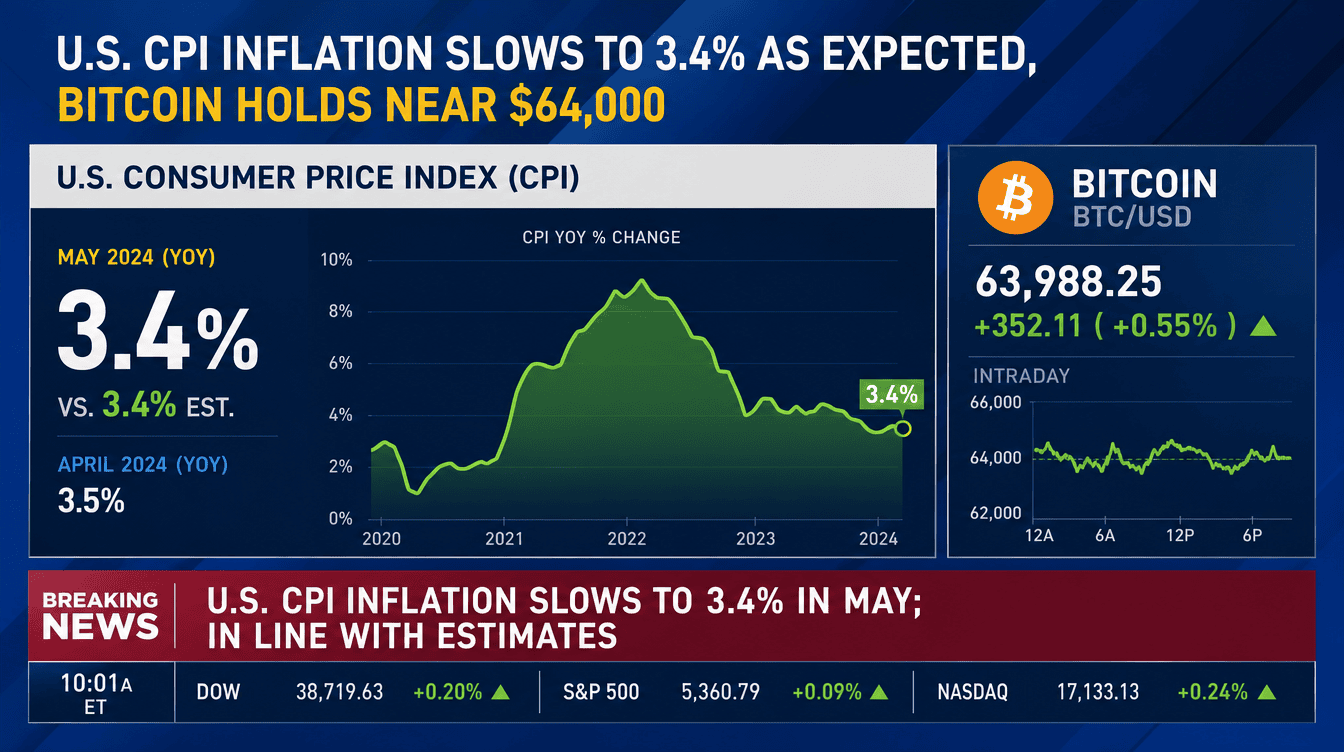
Recent figures showed U.S. inflation cooling further, with the consumer price index rising 2.4% year-on-year in January compared with 2.7% in December. The moderation has strengthened expectations that the Federal Reserve may implement at least two 25-basis-point rate cuts this year.
Meanwhile, the real yield on the U.S. 10-year Treasury note has declined to around 1.8%, its lowest level since early December. Falling real yields tend to enhance the relative appeal of non-yielding assets such as bitcoin by lowering their opportunity cost.
Bitfinex analysts noted that softer real yields reduce bitcoin’s carry disadvantage, while a weaker dollar can improve global liquidity — dynamics that may eventually lend support to risk assets.
For now, however, derivatives positioning and ETF flows indicate that although panic has faded, meaningful buying pressure has yet to return.