cpeditor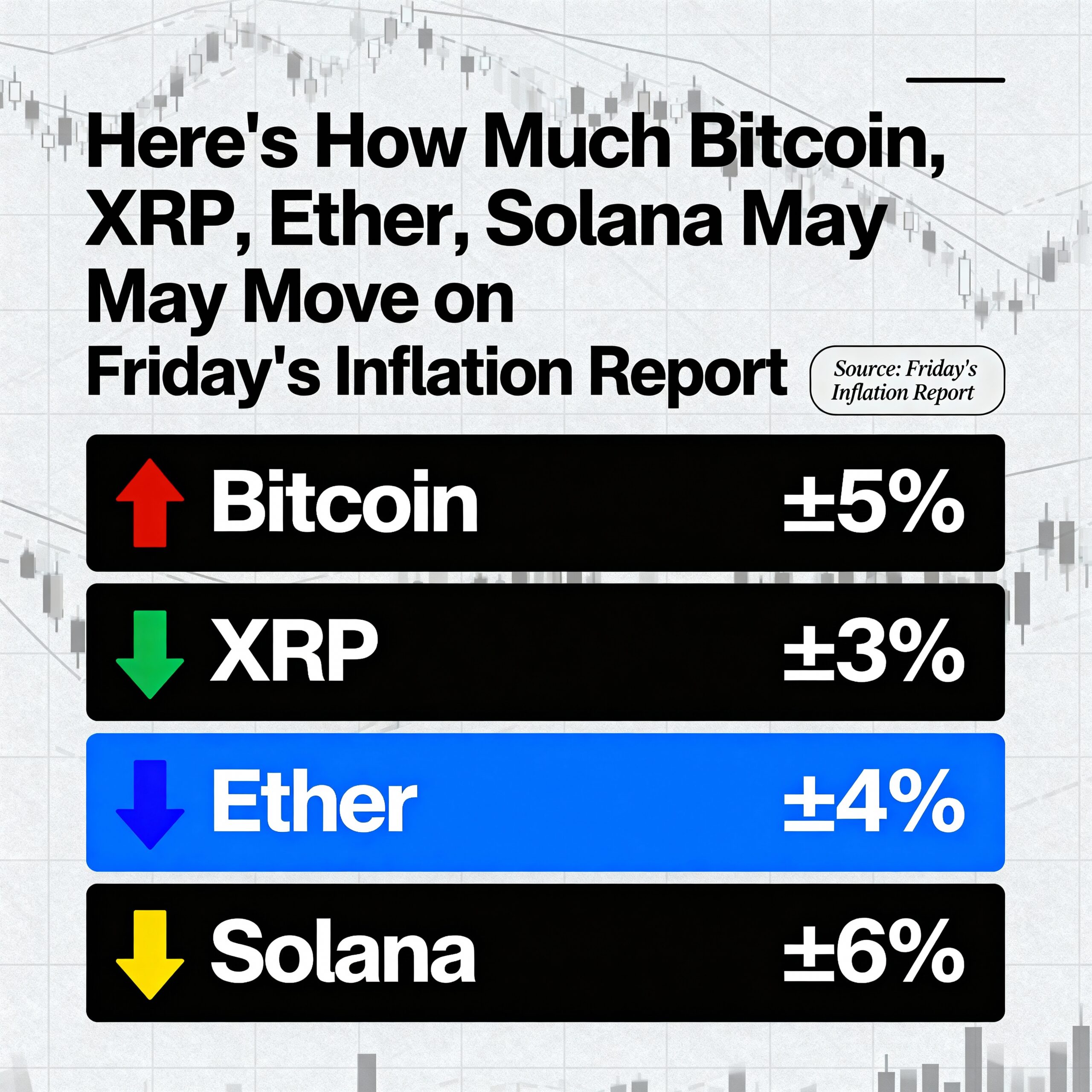
Softer Inflation Report Could Boost Cryptocurrencies, Analysts Say
A weaker-than-expected inflation report could push the 10-year Treasury yield lower, providing support for cryptocurrencies.
The Fed’s preferred inflation measure, core PCE, is expected to have risen in September, moving away from the central bank’s 2% annual target. According to FactSet, the core PCE likely increased 2.9% year-on-year, marking 55 consecutive months above the Fed’s goal. Persistent inflation could embolden hawkish Fed policymakers, who favor slower rate cuts.
Despite this, volatility indices show no signs of major market turbulence. As of writing, the Bitcoin one-day implied volatility index (BVIV) stood at around 36%, implying a 24-hour price swing of roughly 1.88%, which is within normal ranges, according to TradingView.
Low volatility expectations may reflect market confidence that the Fed will continue with its planned 25 basis point rate cut on Dec. 10, as priced in by CME’s FedWatch tool, regardless of the PCE outcome.
A softer report could push the 10-year Treasury yield below 4%, potentially allowing Bitcoin to break out of its recent $92,000–$94,000 range. “A softer labor read and contained PCE would reinforce the easing narrative supporting crypto’s rebound, while any upside surprise may keep markets range-bound until the Fed clarifies its path,” said Iliya Kalchev, Nexo Dispatch analyst.
Analysts at ING caution that any decline in Treasury yields may be short-lived.
The inflation data could also affect altcoins. Ether’s one-day implied volatility index sits at 57.23%, suggesting a 24-hour swing of about 3%, slightly above Bitcoin. Solana (SOL) signals a 3.86% move, while XRP shows 4.3%, highlighting higher expected price swings across alternative cryptocurrencies.