cpeditor
BitMEX co-founder and Maelstrom CIO Arthur Hayes says governments’ continued money printing could sustain the crypto bull market well into 2026, urging investors to maintain a long-term perspective on bitcoin.
In a recent interview with bitcoin and Web3 entrepreneur Kyle Chassé, Hayes argued that global monetary expansion is far from over. He singled out U.S. politics, suggesting that even a second term for former President Donald Trump could introduce spending programs starting mid-2026 that may further boost liquidity. While he might consider taking partial profits if expectations for money printing become extreme, he believes investors currently underestimate the potential scale of capital flowing into equities and crypto.
Hayes also tied his outlook to broader geopolitical trends, highlighting the erosion of a unipolar world order. In his view, periods of instability often push governments toward fiscal stimulus and central bank easing to stabilize markets and maintain public confidence. He noted potential strains in Europe, including the risk of a French default, which could accelerate global money printing. While he acknowledged these policies carry long-term risks, Hayes said the peak of the cycle has yet to arrive.
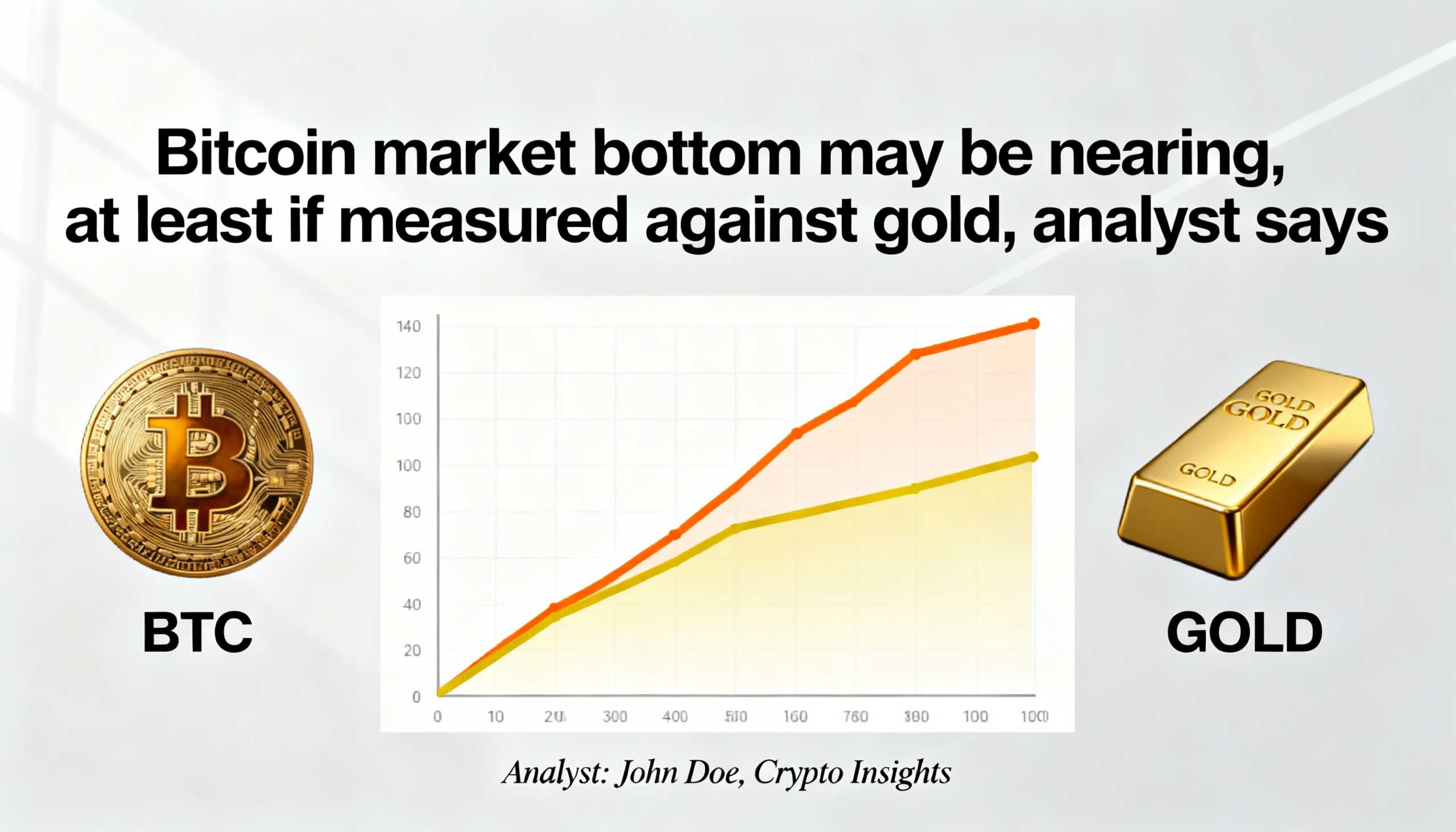
On bitcoin, Hayes countered concerns that the asset has plateaued after hitting a record $124,000 in mid-August. Compared with traditional assets, he argued that stocks, real estate, and most U.S. tech giants lag behind when measured against gold—and even more so against bitcoin.
Hayes emphasized that bitcoin’s value becomes especially clear when considered as a hedge against currency debasement. For investors frustrated by a lack of weekly record highs, he stressed that patience is critical. Traditional investors often leverage bonds in anticipation of monetary expansion, while crypto investors hold bitcoin as the “faster horse,” both responding to the same underlying principle: governments will print money when growth falters.
Ultimately, Hayes underscored that the real advantage of bitcoin comes from long-term compounding rather than short-term speculation. Coupled with what he sees as an ongoing wave of money creation through the rest of the decade, he believes the current crypto cycle could continue well into 2026, with significant upside still ahead.