cpeditor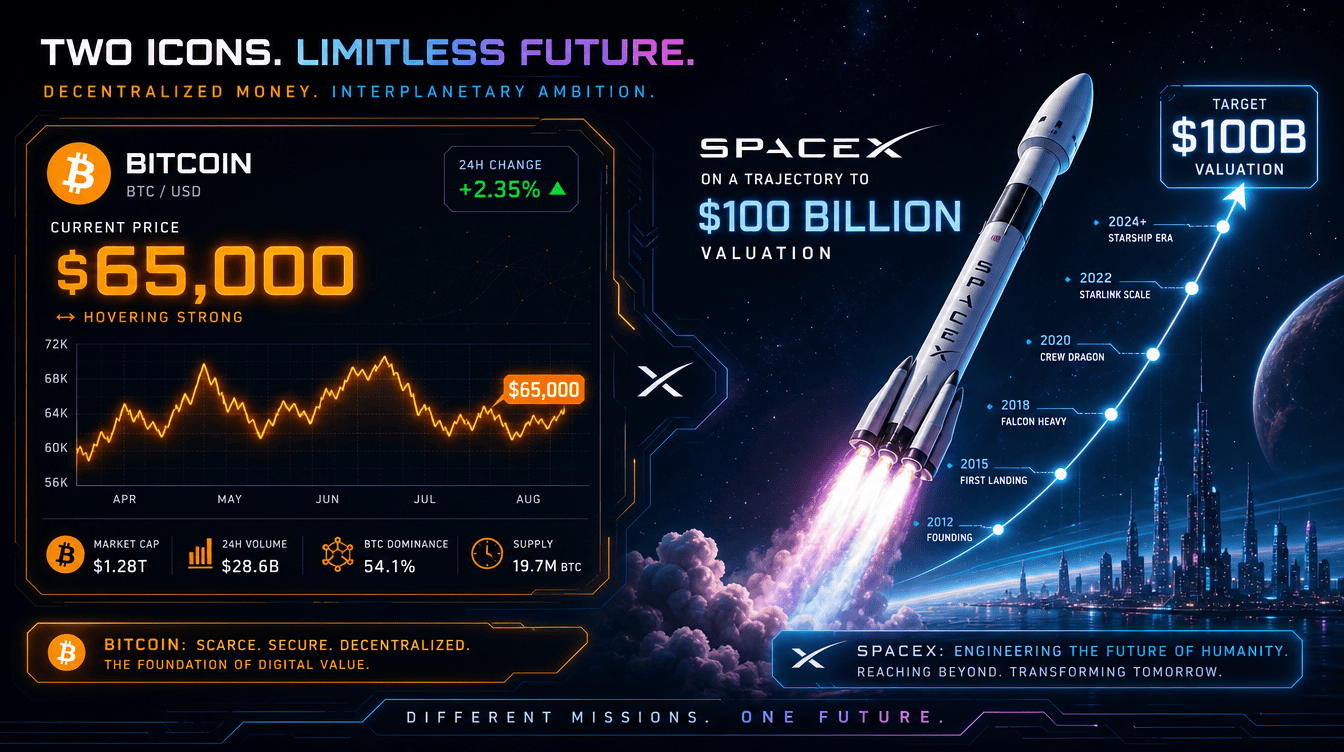
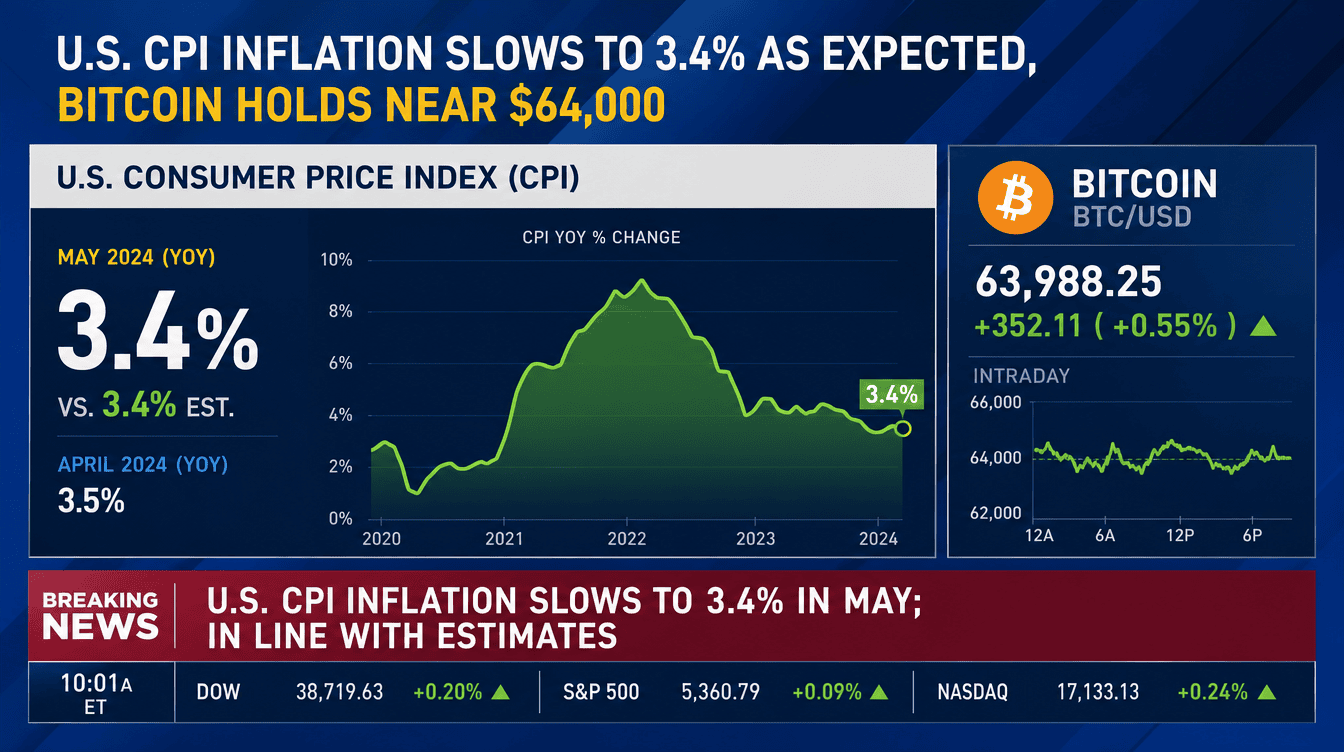
Bitcoin continues to trade near the $65,000 mark as investors weigh improving macroeconomic signals against uncertainty surrounding inflation, interest rates, and global markets. Recent comments from President Donald Trump on employment strength, cooling inflation, and a potential Strait of Hormuz agreement have improved risk appetite, but BTC’s next move depends on whether lower oil prices can translate into weaker Treasury yields and a softer U.S. dollar.
Jobless claims point to a strong labor market
U.S. weekly jobless claims rose by 1,000 to 199,000 last week, coming in below economists’ expectations of 202,000.
The four-week moving average declined to 198,750 from 203,250, keeping unemployment claims near levels typically associated with a healthy labor market.
Market attention is now focused on Friday’s July Nonfarm Payrolls report. Recent employment data has been somewhat weaker than what weekly claims have indicated.
Economists expect the U.S. economy to have added 80,000 jobs in July, compared with 57,000 in June. The unemployment rate is expected to remain steady at 4.2%.
Warsh signals readiness for possible Fed hike
Federal Reserve Chair Kevin Warsh is reportedly prepared to support another interest rate increase in September if inflation remains persistent and bond markets continue to weaken.
Warsh has pushed for changes in the Fed’s communication strategy, criticizing the central bank’s reliance on market guidance through policy signals, hints, and unofficial leaks.
His approach has reportedly created friction within the Fed, with some critics linking recent market volatility to uncertainty surrounding his leadership. Others argue that earlier policy decisions played a major role in fueling inflation.
Sources close to Warsh said he recognized mistakes during his early months at the Fed, including failing to clearly reinforce his commitment to price stability and creating confusion over whether his long-term reform plans could affect near-term policy decisions.
Despite this, Warsh remains open to raising rates if inflation data fails to improve and bond markets face additional selling pressure.
SpaceX shares rise ahead of $100 billion unlock
SpaceX shares gained 3.85% in premarket trading Thursday, recovering some losses after a sharp decline in the previous session.
The increase came as the company’s first lockup expiration released up to 911.5 million insider shares, valued at more than $100 billion, for potential trading.
The stock has already dropped more than 50% from its June high of $225 and is trading below its $135 IPO price, suggesting much of the expected selling pressure may already be reflected in the valuation.
The market’s next test is whether it can absorb the newly available shares without further downside.
Select tokens outperform Bitcoin
Bitcoin has remained relatively flat over the past week, but several alternative cryptocurrencies have recorded stronger gains.
MemeCore’s M token jumped 24%, Pump.fun’s PUMP advanced 20%, and Cardano’s ADA gained 15%.
The gains suggest selective capital movement rather than a broad crypto market recovery. Strength in meme-focused tokens also highlights continued caution among investors.
Crypto market expects CLARITY Act delay
The crypto market has largely priced in the possibility that the CLARITY Act will not pass before the Senate’s August recess, according to Joel Kruger, market strategist at LMAX Group.
The proposed legislation would clarify U.S. crypto regulation by dividing oversight between the SEC and CFTC while setting guidelines for exchanges, issuers, and parts of the DeFi industry.
With the deadline approaching, expectations for approval have fallen sharply. Prediction markets have also reduced the likelihood of the bill passing in 2026.
Kruger said regulatory clarity could still improve through agency action, pointing to potential guidance from SEC Chair Paul Atkins as an alternative route.
He identified Bitcoin’s $67,300 level and Ether’s $2,000 level as important resistance points. A decisive break above either could signal a stronger bullish phase.
SoftBank’s Intel gains highlight AI momentum
SoftBank delivered better-than-expected quarterly results after a major gain from its Intel investment boosted earnings.
The company reported ¥347.3 billion ($2.3 billion) in net income, helped by a ¥1.3 trillion ($8.5 billion) gain from Intel shares after the chipmaker’s strong quarterly performance.
The results suggest that AI-related investments are still generating returns, though profits remain concentrated among a limited number of companies.
Bitcoin has continued to trade as a high-beta asset linked to technology and AI sentiment, benefiting when investors show stronger appetite for risk.
Coinbase expands U.K. stock trading services
Coinbase has launched stock trading for eligible users in the United Kingdom, allowing customers to buy and manage selected U.S. equities alongside their crypto holdings.
The service includes extended trading access, commission-free transactions, and fractional shares. Users can fund their accounts with British pounds or USDC.
The rollout began on August 6, 2026, with access gradually expanding to eligible customers.
Bitcoin ETFs record $626 million in inflows
U.S. spot Bitcoin ETFs attracted $626 million in net inflows over three consecutive days, putting them on track for their strongest weekly performance since early May.
Analysts said continued inflows will be necessary to confirm a sustainable recovery in institutional demand.
Vikram Subburaj, CEO of Giottus, said several consecutive days of positive ETF flows would be needed before investors can view the recovery as a lasting trend.
Bitcoin remains range-bound as macro outlook improves
Bitcoin traded near $64,830 on Thursday, rising 0.8% over 24 hours and 1.3% over the week. Ether gained 2.1%, while most major cryptocurrencies showed limited movement.
The recent support for Bitcoin has been driven mainly by macroeconomic optimism rather than fresh crypto-specific demand.
Trump’s comments on strong employment, improving manufacturing activity, easing inflation, and a possible Strait of Hormuz deal have boosted sentiment.
A reopening of the route could push oil prices lower, reduce inflation concerns, and create room for Treasury yields and the dollar to decline—conditions that typically support risk assets such as Bitcoin.
However, the outlook depends on multiple factors aligning. Lower oil prices must translate into weaker inflation expectations, which would then need to reduce real yields and weaken the dollar.
Bitcoin’s correlation with equities also means broader market sentiment may have a stronger impact than crypto-specific factors in the near term.
Investors are watching real yields and the dollar closely. A decline in both alongside falling oil prices could help BTC break above its current range, while stubbornly high yields may keep Bitcoin trading around the $65,000 level.