cpeditor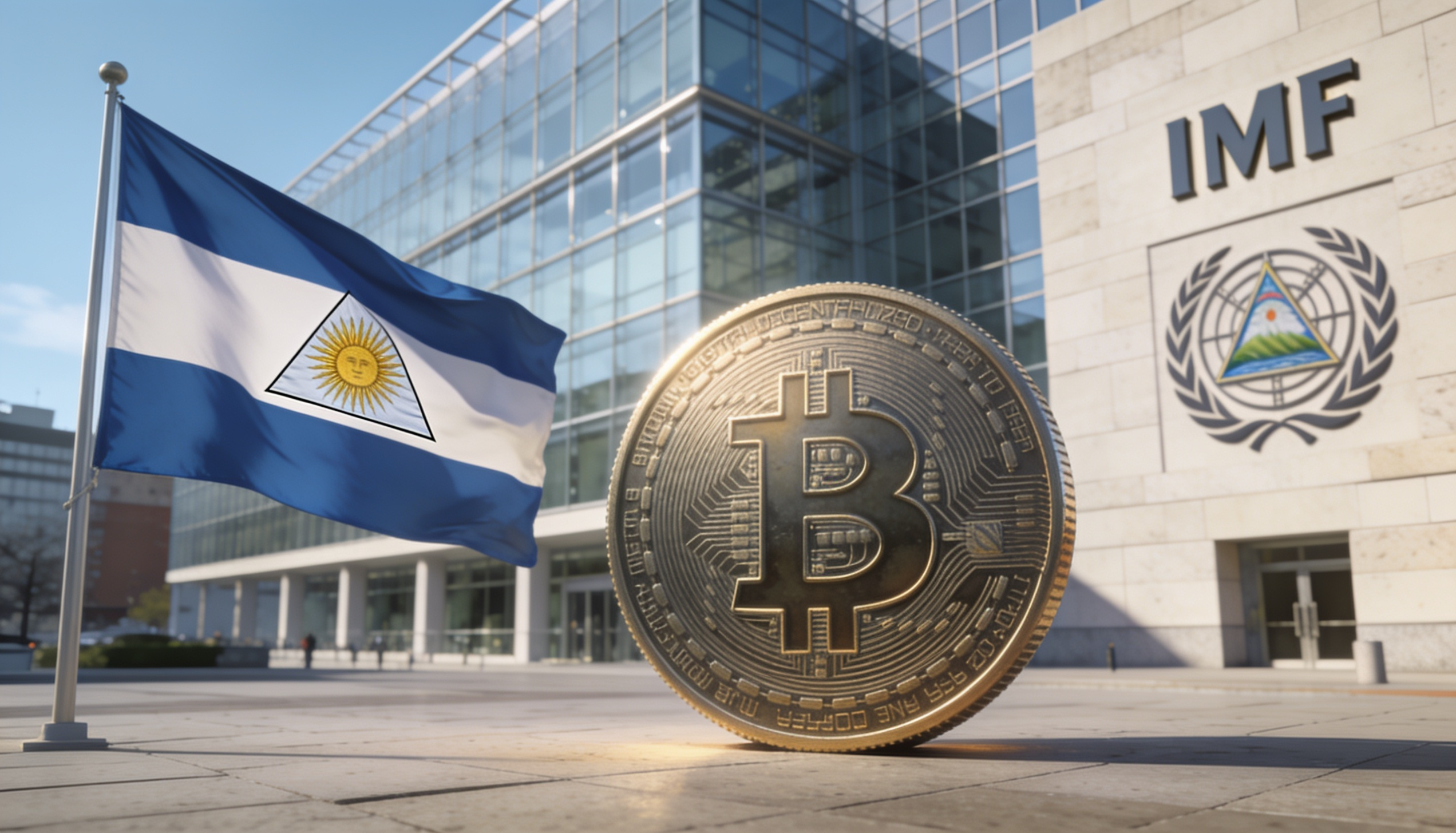
Bitcoin News: El Salvador’s Bitcoin holdings now total 7,696 BTC, valued at დაახლოებით $460 million as of June 28, though the figure appears to carry more political significance than accounting clarity.
President Nayib Bukele’s administration continues to champion a one-Bitcoin-per-day accumulation strategy, despite operating under a $1.4 billion IMF Extended Fund Facility that imposes a strict zero limit on voluntary public-sector Bitcoin purchases.
This gap between official rhetoric and IMF conditions creates a central tension that is likely to be tested in the Fund’s next review.
Bitcoin was trading between $59,000 and $60,000 at publication, down roughly 19% over the past month. The decline shifts the fiscal narrative: when reserves were valued near $800 million in early 2026, the strategy appeared highly profitable. At current levels, the same 7,696 BTC position reflects a meaningful unrealized loss—placing it firmly under IMF scrutiny.
El Salvador remains a unique case in sovereign Bitcoin adoption. It made BTC legal tender in September 2021, introduced the state-backed Chivo wallet, and turned Bitcoin accumulation into a global branding strategy. That approach is now constrained by IMF-backed fiscal reforms.
Bitcoin News: IMF Cap vs. Rising Holdings
The IMF’s Extended Fund Facility, approved in early 2025, includes a binding condition that bars any voluntary Bitcoin accumulation by the public sector. Similar restrictions apply to BTC-linked debt and tokenized instruments, with compliance tied directly to funding disbursements.
Yet El Salvador’s reported holdings have increased—from 5,968 BTC in December 2024 to 7,696 BTC by June 2026—seemingly contradicting the no-accumulation rule.
The IMF maintains that the increase reflects internal transfers across government-controlled wallets, including consolidation from BANDESAL cold storage, rather than new purchases. According to the Fund, total Bitcoin exposure across state entities has remained unchanged.
While this interpretation aligns with public-sector accounting standards, it is not clearly reflected in public reserve trackers. As a result, the one-BTC-per-day narrative remains ambiguous, potentially referring to internal reallocations rather than fresh accumulation.
Bukele’s Bitcoin Strategy Faces Tighter Oversight
Bukele’s Bitcoin policy has always served multiple goals: reducing reliance on the U.S. dollar, strengthening El Salvador’s crypto-friendly image, and reinforcing domestic political messaging.
The daily accumulation narrative continues to resonate globally, sustaining the country’s position as a leading crypto experiment. However, IMF oversight has significantly tightened accountability.
Under the program, El Salvador must disclose all public-sector wallet holdings, meet strict reporting deadlines, and unwind key Bitcoin initiatives—including exiting the Chivo wallet, liquidating the Fidebitcoin trust, and publishing audited financial statements.
The IMF has signaled that monitoring will remain ongoing, suggesting compliance is still under review.
Unlike exchange-traded funds, which can quickly adjust exposure—as highlighted by $5.94 billion in outflows from U.S. spot Bitcoin ETFs over six weeks—El Salvador lacks a comparable exit option. Its Bitcoin reserves must be managed within the constraints of fiscal targets, IMF conditions, and public accountability, creating a far more rigid framework than that faced by institutional investors.