cpeditor
Dogecoin Labs Unites MyDoge, DogeOS and Merchant Payment Services
Dogecoin Labs is bringing together MyDoge, DogeOS and merchant payment tools in an effort to expand the ways DOGE holders can use their coins across applications and businesses.
The new organization combines teams behind a Dogecoin wallet, an application platform and payment services for merchants, aiming to build a broader commercial ecosystem around DOGE, which recently traded near $0.082.
Dogecoin Labs Brings Three Products Under One Organization
Established in partnership with the Dogecoin Foundation, Dogecoin Labs will own and operate MyDoge, DogeOS and Such App, according to an announcement shared with CoinDesk. Jordan Jefferson, who founded MyDoge and DogeOS, will serve as the company’s chief executive officer.
The initiative links three components designed to work together. Developers can create applications using DogeOS, users can discover those services through the MyDoge wallet, and merchants can accept DOGE payments through Such App.
Such App’s beta version already offers invoicing and face-to-face payments through QR codes. However, its integration with DogeOS is still being planned.
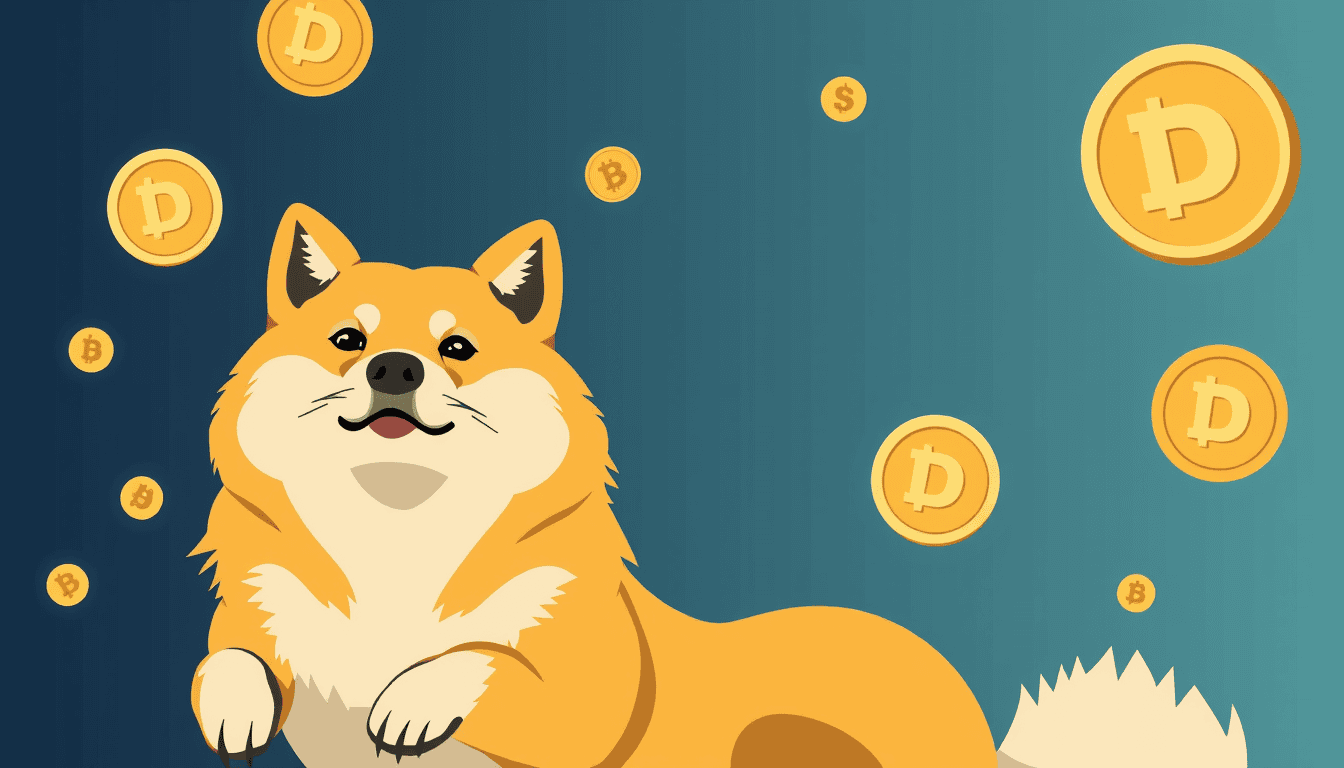
Created in 2013 as a joke featuring a Shiba Inu dog, Dogecoin has since become one of the cryptocurrency industry’s longest-running digital assets. DOGE gained 3.9% over the previous 24 hours, with its price recently hovering around 8.2 cents.
MyDoge Reports More Than 500,000 Users
MyDoge says its wallet has attracted over 500,000 users without spending money on paid user acquisition. Its recently launched V3 update also connects the wallet with applications being developed on DogeOS.
The company has not disclosed how many of those users remain active or how many have interacted with applications on the network.
The Dogecoin Foundation and its commercial division, House of Doge, are contributing intellectual property and development teams to the new organization. The foundation will continue supporting open-source development, advocacy and community initiatives, while Dogecoin Labs focuses on product development and commercial expansion.
DogeOS Applications Still Face Development Challenges
DogeOS launched its public testnet on Sept. 30, giving developers an environment to experiment with lending platforms, exchanges and games similar to those found on Ethereum. These applications use test DOGE and operate separately from Dogecoin’s main blockchain, which primarily processes coin transfers.
However, the platform’s public user guide still listed its featured applications as “coming soon” three weeks after the testnet launch.
A proposed connection between DogeOS applications and Dogecoin’s blockchain also remains unfinished. The plan would allow Dogecoin’s network to verify mathematical proofs demonstrating that applications executed correctly.
Enabling this capability would require a proposed protocol change that remains in draft form. Until the system is implemented, users must depend on DogeOS’s designated operators and hardware infrastructure to validate application execution.
The consolidation gives Dogecoin Labs a unified structure for developing wallets, applications and merchant services. Its longer-term success will depend on whether developers launch usable applications, merchants adopt the payment tools and the planned security mechanisms progress beyond the experimental stage.