cpeditor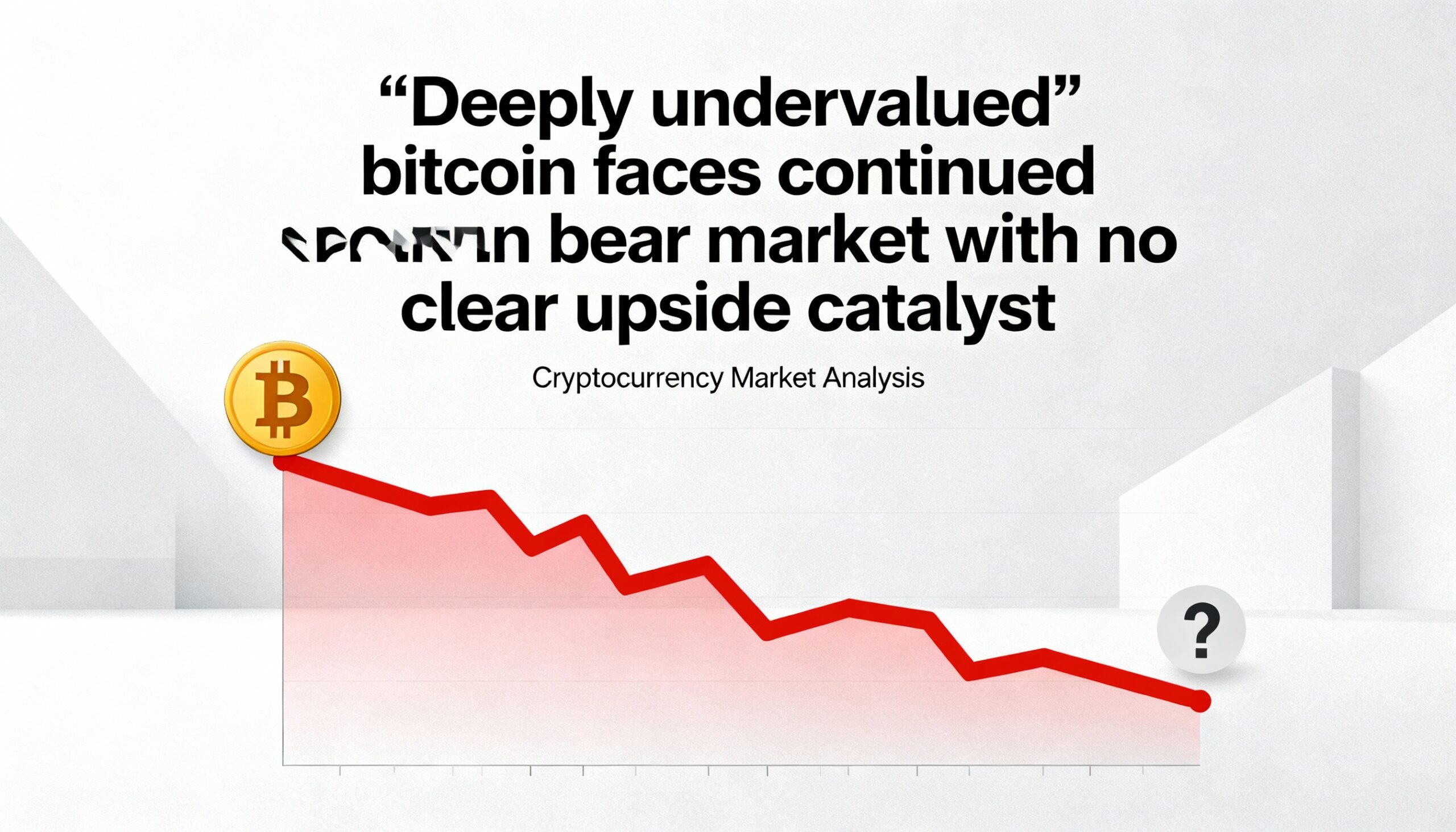
Analysts say bitcoin’s next decisive move higher is unlikely to arrive until selling pressure from long-term holders eases and sustained institutional demand begins to materialize.
After a volatile period in October and November 2025, bitcoin BTC $90,647.21 has settled into a narrow trading range, hovering between $85,000 and $90,000 for several weeks. Several market observers expect that consolidation to persist.
“There are potential factors that could lift prices in the near term,” said Gerry O’Shea, head of global market insights at Hashdex, pointing to possible changes in U.S. monetary policy and movement on crypto legislation in Congress. “But for now, bitcoin lacks a clear directional catalyst.”
Jim Ferraioli, director of crypto research and strategy at Schwab’s Center for Financial Research, said the pause reflects the market’s attempt to digest an unusually strong multi-year rally. While Schwab does not provide formal price targets, Ferraioli said he remains constructive on bitcoin’s longer-term outlook heading into 2026. “This could be a quieter year by crypto standards,” he said.
From the November 2022 bottom to the intraday high near $126,000 reached last October, bitcoin generated roughly eightfold gains over three years, Ferraioli noted. “The market is still processing that magnitude of returns.”
Since peaking in October, blockchain activity has slowed, while exchange-traded fund flows have taken on an outsized role in driving price action. “Transaction fees were low, long-term holders were distributing, and exchange balances dropped to cycle lows,” Ferraioli said. “ETF flows became the dominant influence.”
While ETFs have expanded access to bitcoin, Ferraioli cautioned that they may be distorting short-term signals. “Large institutional allocators are still mostly on the sidelines,” he said. “Regulatory clarity could be the next major driver of more durable inflows.”
Hyunsu Jung, CEO of Hyperion DeFi, said bitcoin has lost narrative momentum as investor attention has shifted toward other asset classes, particularly as ETF inflows that surged earlier in the year have cooled. Absent a renewed macro tailwind or institutional demand, Jung expects prices to remain range-bound.
Will Reeves, CEO of fintech firm Fold, said bitcoin is waiting for supply-demand dynamics to rebalance. “It’s deeply undervalued,” Reeves said. “The market needs persistent sellers to be exhausted and a broader base of buyers to step in.”
Whether the current environment constitutes a new crypto winter remains contested. “By traditional definitions, bitcoin is in a bear market,” Ferraioli said. “But given the asset’s volatility, a 30% pullback is almost expected.”
Although bitcoin often trades alongside equities in the short term, Ferraioli emphasized that its long-term drivers are distinct. “Money supply, declining issuance growth, and adoption matter,” he said. “And adoption is the biggest question mark this year.”