cpeditor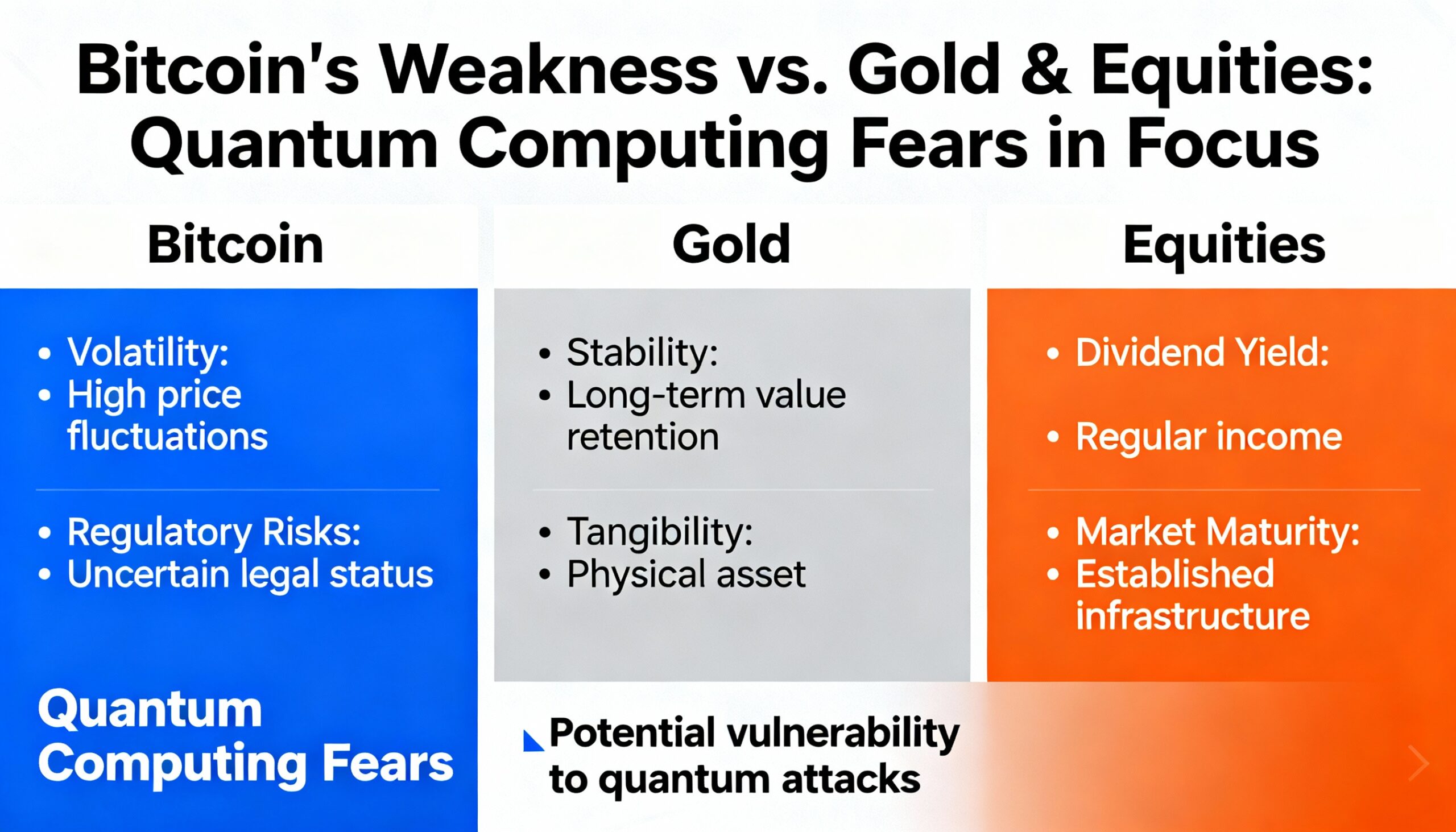
Bitcoin Weakness Rekindles Quantum Computing Debate, Analysts Point to Market Dynamics
Bitcoin’s recent slump has revived discussions about quantum computing risks, though many analysts say traditional market forces are driving the move.
On Thursday, gold surged 1.7% to a record $4,930 an ounce, and silver jumped 3.7% to $96, while Bitcoin hovered just above $89,000—around 30% below its early-October peak. Since Trump’s November 2024 election win, Bitcoin has fallen 2.6%, compared with gains of 205% for silver, 83% for gold, 24% for the Nasdaq, and 17.6% for the S&P 500.
Castle Island Ventures partner Nic Carter attributed Bitcoin’s “mysterious” underperformance to quantum computing, calling it “the only story that matters this year.”
Other experts disagree. @Checkmatey, an onchain analyst at Checkonchain, said price moves reflect supply and HODLer sell pressure, not speculative risks. Investor Vijay Boyapati cited large Bitcoin unlocks by whales as the main driver.
Quantum computing could theoretically break Bitcoin’s cryptography, but practical machines remain decades away. Developers point to Bitcoin Improvement Proposal 360, which outlines a gradual migration to quantum-resistant addresses.
Even traditional finance voices, like Jefferies strategist Christopher Wood, note quantum computing as a long-term risk—but analysts emphasize it’s unlikely to explain short-term price swings.